Understanding Respiratory Therapy Devices in Home Healthcare
Respiratory illnesses often require targeted medication delivery to open airways, reduce inflammation, and improve oxygen intake. Devices such as nebulizers and inhalers are designed to send medication directly into the lungs, making treatment faster and more effective compared to oral medications. Patients dealing with chronic breathing issues, post-infection recovery, or long-term lung conditions frequently explore Aarogyaa Bharat respiratory equipment pages alongside oxygen concentrators, pulse oximeters, and rehabilitation tools to build a complete home care environment. As breathing challenges can affect daily comfort, sleep quality, and physical activity, selecting the correct device plays a major role in maintaining independence and reducing hospital visits. Families caring for elderly patients often compare multiple respiratory solutions on aarogyaabharat.com to ensure safe, long-term support that balances ease of use and medical effectiveness.
What is a Nebulizer and How Does It Work?
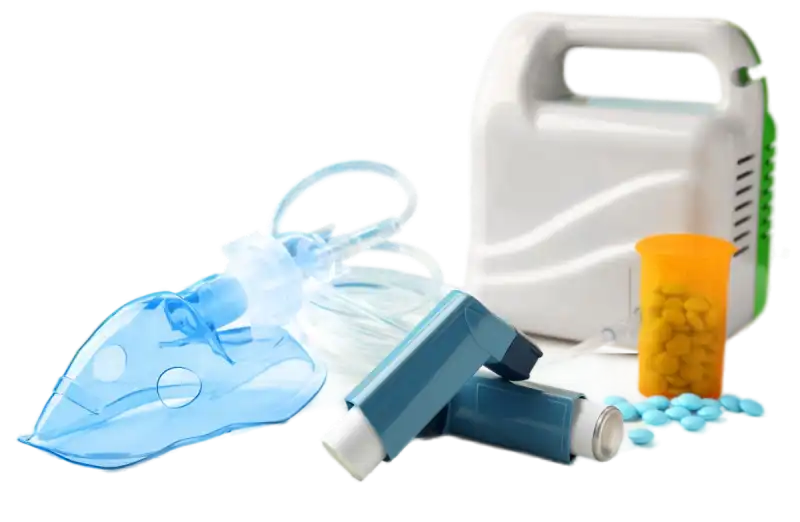
A nebulizer is a respiratory device that converts liquid medication into a fine mist that can be inhaled slowly over several minutes. Using compressed air or ultrasonic vibration, the nebulizer transforms medication into tiny particles that reach deep into the lungs, making it especially helpful for individuals who struggle with breath coordination. Nebulizers are commonly recommended for children, elderly individuals, or patients with severe respiratory conditions because they allow relaxed breathing during treatment. The patient simply inhales through a mask or mouthpiece while the device continuously delivers medication. Many caregivers exploring Aarogyaa Bharat respiratory therapy sections prefer nebulizers because they provide consistent medication delivery without requiring precise inhalation techniques. Nebulizers are often integrated into comprehensive respiratory care setups that include humidifiers, chest therapy devices, and patient monitoring tools available through aarogyaabharat.com, ensuring long-term breathing support at home.
What is an Inhaler and How Does It Work?
An inhaler is a compact, handheld device that delivers a pre-measured dose of medication directly into the lungs within seconds. Inhalers are designed for quick relief and are widely used by individuals managing asthma attacks or exercise-induced breathing problems. There are several inhaler types, including metered-dose inhalers (MDIs) and dry powder inhalers (DPIs), each requiring a specific breathing technique to ensure the medication reaches the airways effectively. Active individuals often prefer inhalers because they are portable and easy to carry during travel, work, or outdoor activities. Families reviewing respiratory solutions on Aarogyaa Bharat frequently compare inhalers with nebulizers to determine which option best suits the patient’s lifestyle, coordination ability, and treatment schedule.
Nebulizer vs Inhaler Comparison Table
| Feature | Nebulizer | Inhaler |
|---|---|---|
| Medication Delivery | Continuous mist over 5–15 minutes | Instant dose within seconds |
| Ease of Use | Very easy, minimal technique required | Requires proper inhalation technique |
| Portability | Larger device, less portable | Small, pocket-friendly |
| Treatment Duration | Longer sessions | Quick relief |
| Ideal Users | Children, elderly, severe respiratory patients | Active users needing rapid therapy |
Advantages of Nebulizers for Respiratory Therapy
Nebulizers provide extended medication delivery, which allows deeper penetration into lung tissues. Patients who experience severe breathlessness or difficulty coordinating inhalation often find nebulizers more comfortable and effective. One major benefit is their suitability for all age groups. Elderly patients with reduced hand strength or coordination can use nebulizers without stress, making them a popular option within Aarogyaa Bharat elderly care and rehabilitation equipment sections. Nebulizers also allow flexible dosing, making them useful for complex respiratory treatment plans recommended by healthcare professionals. However, nebulizers usually require electricity and regular cleaning, so caregivers often combine them with organized home care setups available through aarogyaabharat.com to maintain hygiene and consistent usage.
Advantages of Inhalers for Daily Respiratory Management
Inhalers are designed for speed and convenience, delivering medication almost instantly. This makes them ideal for sudden symptoms such as asthma flare-ups or shortness of breath during physical activity. Their compact design allows patients to carry them easily in a pocket or bag, promoting independence and reducing reliance on bulky equipment. Inhalers also require minimal maintenance compared to nebulizers, making them a practical option for working professionals or students managing respiratory conditions. Within Aarogyaa Bharat respiratory care solutions, inhalers are often paired with spacers or breathing aids to improve medication delivery for beginners who struggle with technique.
How to Choose Between a Nebulizer and an Inhaler
Selecting the right device depends on several factors including age, severity of symptoms, lifestyle, and comfort level with respiratory equipment.
Choose a Nebulizer if:
-
The patient needs longer medication delivery sessions.
-
There are coordination or dexterity challenges.
-
The condition is severe or requires higher doses.
-
The user is a child or elderly individual needing easier breathing therapy.
Choose an Inhaler if:
-
Quick relief is required during sudden symptoms.
-
Portability is important for daily routines.
-
The patient is comfortable using proper inhalation techniques.
Many families exploring aarogyaabharat.com healthcare categories combine both devices using nebulizers for home therapy sessions and inhalers for emergency relief creating a balanced respiratory care strategy.
Role of Respiratory Devices in Home Healthcare Planning
Modern home healthcare focuses on reducing hospital dependency while maintaining high-quality treatment. Nebulizers and inhalers play an important role in this transition by allowing patients to manage symptoms comfortably at home. Caregivers often integrate these devices with Aarogyaa Bharat oxygen therapy products, hospital beds, and monitoring equipment to create a complete recovery environment. Proper planning ensures patients receive consistent medication, improved breathing comfort, and reduced anxiety related to respiratory distress.
Important Feature Checklist Before Selecting a Device
| Feature | Why It Matters | What to Check |
|---|---|---|
| Ease of Operation | Ensures patient comfort | Simple controls or one-button use |
| Portability | Supports active lifestyle | Lightweight design |
| Medication Compatibility | Accurate treatment delivery | Doctor-approved compatibility |
| Cleaning & Maintenance | Prevents infections | Easy detachable parts |
| Power Requirement | Reliable usage at home | Battery or electric options |
Emotional and Lifestyle Benefits of Choosing the Right Device
Breathing problems can significantly impact confidence and emotional well-being. Patients who use the right respiratory device often feel more secure participating in daily activities, social interactions, and light exercise routines. Nebulizers provide reassurance during long treatment sessions, while inhalers offer peace of mind for sudden symptoms. Families building home healthcare environments through Aarogyaa Bharat respiratory solutions frequently notice improved mood and independence in patients who feel supported and safe managing their condition.
Conclusion
Both nebulizers and inhalers are highly effective respiratory therapy tools, but they serve different purposes. Nebulizers offer longer, consistent medication delivery and are ideal for elderly patients, children, or individuals with severe respiratory challenges. Inhalers provide quick, portable relief for active lifestyles and sudden breathing symptoms. By understanding these differences and exploring Aarogyaa Bharat respiratory care categories and aarogyaabharat.com healthcare planning resources, families can choose a solution that improves comfort, safety, and long-term breathing support at home.