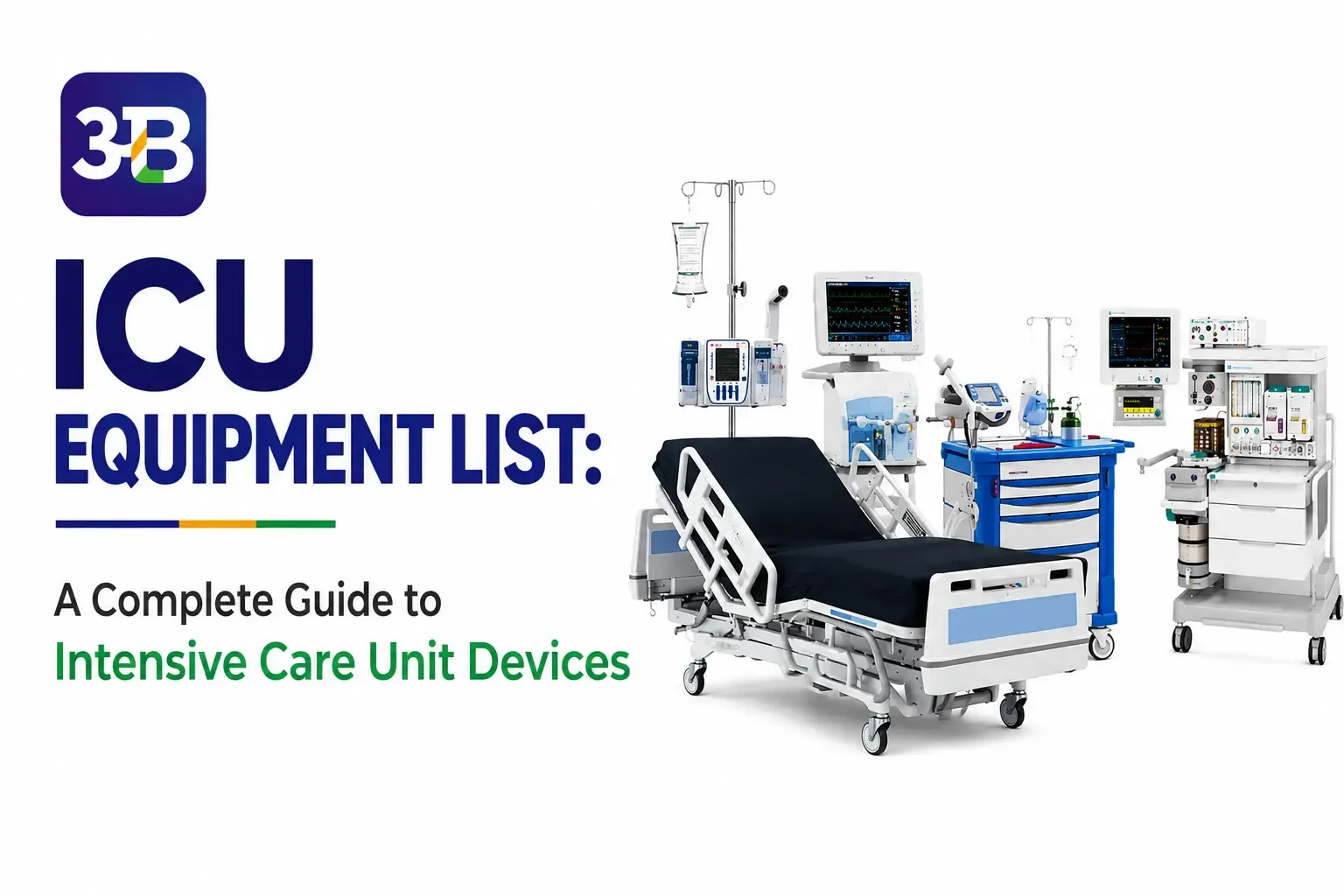
How Automation is Accelerating the Healthcare Industry
In recent years, automation has emerged as a game-changer in the healthcare sector, enabling faster diagnoses, efficient operations, personalized care, and cost reductions. From hospital management systems to robotic surgeries and AI-driven diagnostics, automation is no longer a futuristic concept—it’s already transforming how healthcare is delivered and experienced.
With the global demand for faster, more reliable, and accessible healthcare, automation is helping bridge gaps that human effort alone can’t address—especially in areas like patient monitoring, administrative efficiency, and clinical decision-making.
Why Automation in Healthcare Matters
Modern healthcare systems are facing several challenges:
Rising patient loads
Shortage of skilled professionals
Need for faster and more accurate diagnoses
Administrative inefficiencies
High treatment costs
Automation addresses these issues by improving speed, reducing human error, and freeing up clinicians for more critical patient-focused tasks.
Key Areas Where Automation is Making an Impact
1. Medical Diagnostics
AI-powered imaging tools can now scan X-rays, MRIs, and CT scans with greater accuracy and speed than manual review, detecting early signs of cancer, fractures, or neurological disorders. Machine learning models are being trained to interpret pathology slides and retinal scans, reducing diagnostic delays.
2. Electronic Health Records (EHRs)
Manual data entry is a major time drain for doctors. Automation streamlines EHR management, reducing paperwork, and making real-time patient data access easier—while minimizing errors and duplication.
3. Remote Patient Monitoring (RPM)
Wearable devices like smartwatches and fitness trackers now provide real-time data on heart rate, oxygen levels, sleep cycles, and more. These devices alert patients and doctors of anomalies instantly, enabling early interventions without the need for hospital visits.
4. Robotic Surgery
Advanced robots assist surgeons with high-precision procedures, reducing complications, blood loss, and recovery time. Automation also plays a role in post-operative care planning using predictive analytics.
5. Smart Hospital Infrastructure
Automation systems are managing:
Patient admission and discharge processes
Inventory of medical supplies
Scheduling of surgeries
ICU monitoring with AI alert systems
6. Virtual Health Assistants
Chatbots and virtual assistants powered by Natural Language Processing (NLP) can:
Answer patient queries
Book appointments
Remind patients about medication
Assist in triaging symptoms before doctor visits
Benefits of Automation in Healthcare
Faster diagnoses & treatments
Lower operational costs
24/7 patient monitoring & engagement
Less burnout for medical staff
More consistent care delivery
Scalability during health crises (e.g. pandemics)
Challenges to Consider
While the impact is overwhelmingly positive, automation in healthcare still comes with challenges:
Data privacy concerns with cloud-based health records
High initial implementation costs
Resistance to change from traditional practitioners
Need for continuous tech updates and maintenance
Ethical concerns around AI-based decision-making
However, with thoughtful integration and training, these barriers are steadily being overcome.
The Future of Healthcare is Hybrid
The future of healthcare lies in hybrid models—where human expertise and artificial intelligence work together. Automation doesn’t replace healthcare professionals but empowers them to make faster, more informed decisions, and deliver personalized care at scale.
Governments, private hospitals, and health-tech startups are increasingly investing in automation to ensure more equitable, efficient, and proactive healthcare access.
FAQs on Automation in Healthcare
1. Is automation replacing doctors and nurses?
No. Automation supports healthcare professionals by taking over repetitive tasks, improving accuracy, and enabling them to focus more on patient care.2. Are automated diagnostic tools reliable?
Yes. Many AI-powered tools now match or exceed human performance in fields like radiology, pathology, and dermatology, especially when used under expert supervision.3. What role does automation play in rural healthcare?
Remote monitoring devices, telemedicine platforms, and chatbot-based consultations are bridging healthcare gaps in rural and underserved areas.4. How secure is patient data in automated systems?
Modern systems follow strict regulations like HIPAA and use encryption, multi-factor authentication, and cloud security protocols to protect patient data.5. What is the future of automation in hospitals?
Expect smarter hospitals with predictive patient monitoring, robotic process automation (RPA) for administration, and personalized treatment pathways powered by AI.Final Thoughts
The healthcare sector is entering a new era—one where data-driven tools, robotics, and artificial intelligence are becoming as vital as stethoscopes and syringes. Automation is not a luxury anymore; it’s a necessity in saving time, lives, and resources.
As we move forward, patients will benefit the most, with healthcare becoming more responsive, accessible, and intelligent.