Introduction
Whether you call it a core ball, yoga ball, or Swiss exercise ball, the humble exercise ball has become a staple in home workouts, physiotherapy, and even office settings. It's a powerhouse tool for developing core strength, balance, and flexibility. From medicine balls to BOSU balance trainers, these simple tools deliver a wide range of health benefits with minimal equipment.
In this blog, we’ll dive into the benefits of exercise balls, how to use them safely, popular types including bala pilates ball, powerball exercise ball, and how they help various age groups and fitness levels.
What is an Exercise Ball?
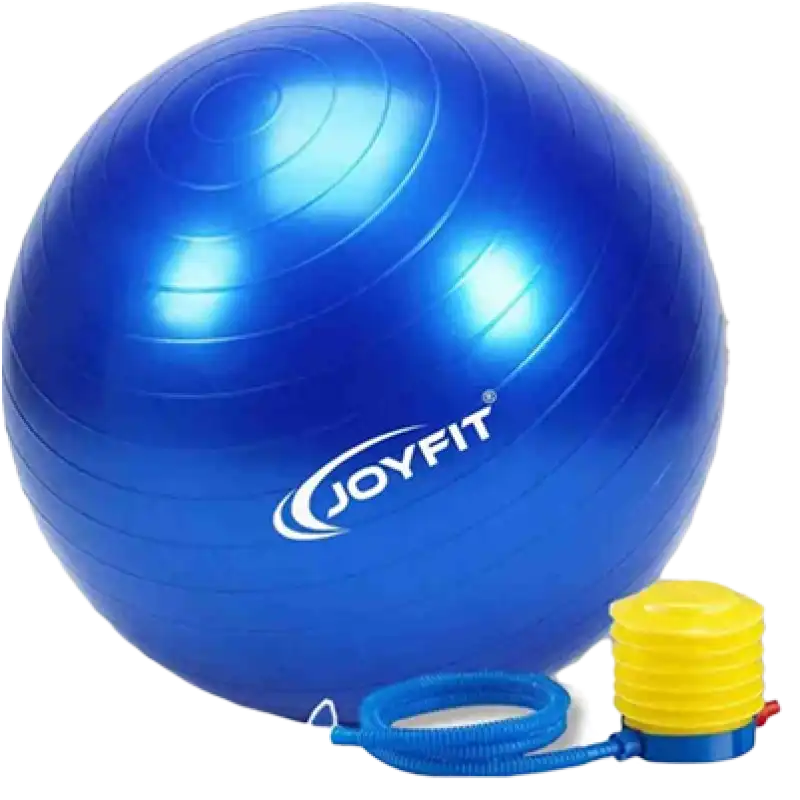
An exercise ball, also called a stability ball or fitness ball, is a large inflatable ball designed for strength training, balance improvement, and rehabilitation. It supports a range of workouts including ab exercises with medicine ball, core balance ball drills, and ball stretching bands routines.
Benefits of Using an Exercise Ball
Improves Core Strength:
Whether you're using a core ball workout or a bosu ball abs routine, the unstable surface challenges your abdominal and back muscles.Enhances Balance and Coordination:
Exercises such as tai chi ball routines and bosu balance trainer exercises boost neuromuscular coordination.Supports Rehabilitation:
Equipment like the dynaflex powerball or gyro hand exerciser are excellent for injury recovery and strengthening.Increases Flexibility:
From ball leg stretches to chest press on stability ball, these tools help elongate muscles.Boosts Functional Fitness:
Train for everyday movements using slam ball medicine ball, rope medicine ball, and medicine ball ab workouts.
Popular Types of Exercise Balls
Core Ball / Swiss Ball / Balance Ball: Great for desk seating or stability ball core exercises for beginners.
BOSU Ball: A half ball useful for bosu ball upper body exercises and bosu ball ankle rehab.
Medicine Ball (5lb to 20lb): For resistance workouts like 15 minute medicine ball workout or weighted ball ab workout.
Pilates Balls (e.g., Bala, Sissel): Ideal for precision, control, and core engagement.
Powerballs / Dynaflex: Small hand-held gyroscopes for wrist and forearm rehab.
Ways to Use an Exercise Ball
At your Desk: Swap out your chair for a yoga ball for desk or exercise ball for desk to improve posture.
For Abs & Core: Try ab workout with ball between legs or medicine ball ab workout.
For Strength: Do ball chest press or arm workout with medicine ball.
For Balance: Engage in single-leg balance on bosu ball or balance pad exercises.
Rehab & Recovery: Use bosu ball exercises for lower back pain or rotator cuff ball exercises.
Safety Tips
Always ensure your anti-burst ball is fully inflated.
Use correct ball size as per your height.
Exercise on non-slip surfaces.
Avoid using weights unless supervised if you're a beginner.
FAQs
Q1. What size exercise ball should I choose?
Choose based on your height: 55 cm for <5'4", 65 cm for 5'5"–6', and 75 cm for >6'.Q2. Is a BOSU ball better than a regular exercise ball?
They serve different purposes. A BOSU ball is better for dynamic balance exercises, while a stability ball supports full-body workouts.Q3. Can exercise balls help relieve back pain?
Yes, using a Swiss ball or therapy ball for gentle stretches and lumbar support can ease back tension.Q4. Are medicine balls and slam balls the same?
Not quite. Medicine balls are for controlled movements; slam balls are built for explosive throws.Q5. Is sitting on an exercise ball at work healthy?
Yes, occasionally replacing your chair with a stability ball for desk helps improve core engagement and posture.Conclusion
If you're looking to add exercise balls to your workout routine, start with a basic core ball or explore versatile tools like the bosu ball and medicine ball for full-body fitness.
For the best quality equipment, visit aarogyaabharat.com.