Introduction
Cholesterol often gets a bad reputation, but the truth is, your body needs it to function. The key is knowing the difference between good cholesterol (HDL) and bad cholesterol (LDL), and how to keep them in balance for optimal heart health.
With the right diet, lifestyle choices, and awareness, you can maintain healthy cholesterol levels and reduce the risk of heart disease.
What is Cholesterol?
Cholesterol is a fatty substance made by your liver and found in certain foods. It’s essential for producing hormones, vitamin D, and cell membranes. However, too much cholesterol—especially LDL—can build up in your arteries, leading to blockages and heart problems.
The Two Types of Cholesterol
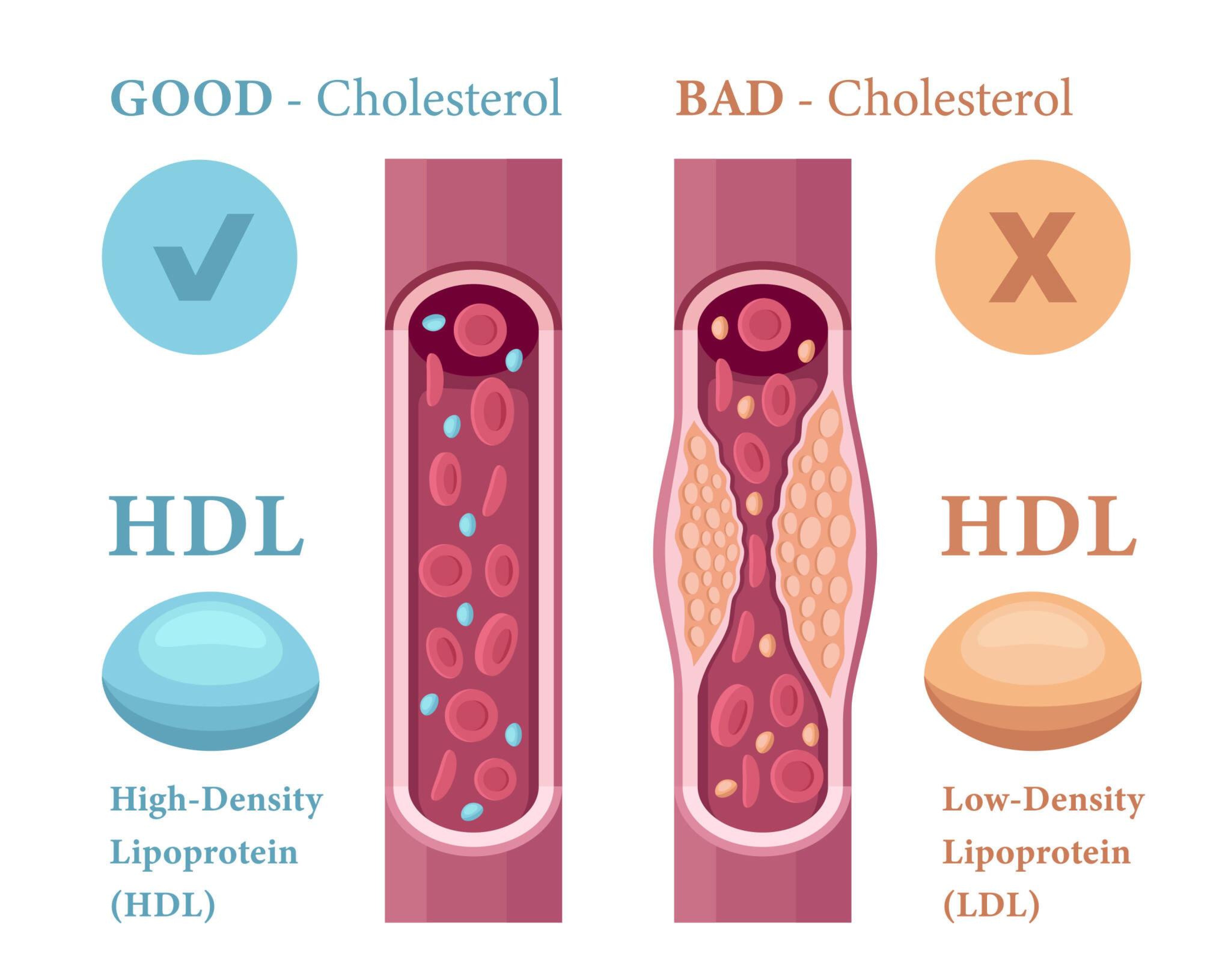
1. Good Cholesterol (HDL – High-Density Lipoprotein)
Removes excess cholesterol from your bloodstream
Transports it back to the liver for disposal
High levels are beneficial for heart health
2. Bad Cholesterol (LDL – Low-Density Lipoprotein)
Deposits cholesterol in artery walls
Causes plaque buildup (atherosclerosis)
High levels increase risk of heart attack and stroke
Ideal Cholesterol Levels
| Type | Healthy Range (mg/dL) |
|---|---|
| Total Cholesterol | Below 200 |
| HDL (Good) | Above 60 |
| LDL (Bad) | Below 100 |
| Triglycerides | Below 150 |
Causes of High Bad Cholesterol
Eating too many saturated & trans fats
Lack of physical activity
Smoking & alcohol abuse
Genetics & family history
Being overweight or obese

How to Increase Good Cholesterol & Reduce Bad Cholesterol
Eat Heart-Healthy Foods – Oats, nuts, olive oil, avocados, fatty fish
Exercise Regularly – 30 minutes of brisk walking, cycling, or swimming
Quit Smoking – Improves HDL levels quickly
Maintain Healthy Weight – Reduces LDL and triglycerides
Limit Processed Foods – Avoid fried snacks, baked goods, and processed meats
Choose Healthy Fats – Replace butter with olive oil or nut-based spreads
Risks of Ignoring Cholesterol Imbalance
Heart attack
Stroke
Peripheral artery disease
High blood pressure
Diabetes complications
FAQs on Good & Bad Cholesterol
Q1: Can I lower cholesterol without medication?
Yes, many people improve cholesterol through diet, exercise, and lifestyle changes.Q2: Does stress affect cholesterol?
Yes, chronic stress can indirectly raise LDL and lower HDL.Q3: How often should I check my cholesterol levels?
Adults should get tested every 4–6 years, or more often if at risk.Q4: Is all LDL bad?
No, but high levels of LDL—especially small, dense particles—are harmful.Conclusion
Cholesterol is not the enemy—imbalance is. By boosting HDL and reducing LDL, you can protect your heart, improve circulation, and lead a healthier life. Regular checkups and mindful eating go a long way in keeping your cholesterol in the safe zone.