How Medical Equipment Rentals Work for Businesses: A
Complete Guide
Introduction
Medical equipment rentals have become a cost-effective and
flexible solution for hospitals, clinics, diagnostic centers, physiotherapy
clinics, home healthcare providers, and healthcare startups. Instead of
investing large amounts of capital in purchasing expensive equipment,
businesses can rent medical devices based on operational requirements and
patient demand.
With the growing healthcare industry in India, Medical
Equipment Rental Services for Businesses are helping organizations access
advanced healthcare technology without heavy upfront investments. Aarogyaa
Bharat provides reliable healthcare equipment solutions designed to support
hospitals, healthcare facilities, and medical businesses across India.
What is Medical Equipment Rental?
Medical equipment rental is a service that allows healthcare
organizations and businesses to use medical devices for a specific period by
paying rental charges instead of purchasing them outright. Renting Healthcare
Equipment for Hospitals & Clinics helps businesses manage costs while
maintaining access to essential medical technology.
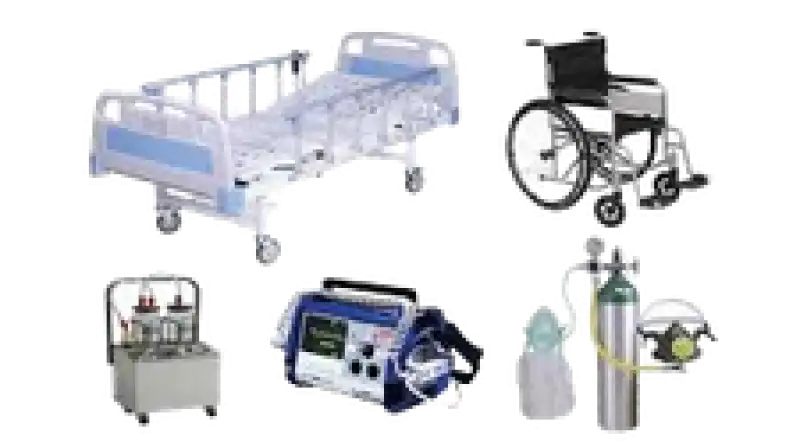
Commonly Rented Medical Equipment
- Oxygen
Concentrators
- Hospital
Beds
- Wheelchairs
- Patient
Monitors
- BiPAP
& CPAP Machines
- Suction
Machines
- Mobility
Aids
- Rehabilitation
Equipment
Why Businesses Prefer Medical Equipment Rentals
Purchasing advanced healthcare equipment can be expensive,
especially for growing healthcare businesses. Renting Medical Equipment for
Healthcare Facilities offers greater flexibility and financial efficiency.
Key Benefits
- Lower
upfront investment
- Flexible
rental durations
- Access
to advanced medical technology
- Reduced
maintenance costs
- Faster
equipment availability
- Better
cash flow management
How Medical Equipment Rentals Work
The rental process is simple and designed to help healthcare
organizations access equipment quickly.
Step 1: Identify Equipment Requirements
Businesses first determine the type of equipment required
based on patient care needs, healthcare services, or operational requirements.
Examples include:
- Respiratory
care equipment
- Patient
mobility aids
- ICU
support systems
- Physiotherapy
and rehabilitation devices
Using the right Healthcare Equipment Rental Solutions
helps improve operational efficiency and patient care quality.
Step 2: Select Rental Duration
Most suppliers offer flexible rental plans based on business
requirements.
|
Rental Type |
Suitable For |
|
Short-Term Rental |
Temporary patient care and events |
|
Monthly Rental |
Clinics and healthcare centers |
|
Long-Term Rental |
Hospitals and healthcare businesses |
Step 3: Documentation & Verification
Healthcare equipment rental providers may require basic
documentation before equipment delivery.
Common Requirements
- Business
registration details
- Healthcare
facility information
- Identity
verification
- Rental
agreement acceptance
Step 4: Delivery & Installation
Reliable Medical Equipment Delivery & Installation
Services ensure equipment is delivered, installed, and ready for immediate
use.
Services Often Included
- Equipment
setup
- Usage
guidance
- Basic
operational training
- Safety
instructions
Step 5: Maintenance & Support
Most professional rental providers offer maintenance and
technical support throughout the rental period.
Benefits include:
- Reduced
repair costs
- Faster
technical assistance
- Equipment
replacement support
- Improved
operational continuity
Businesses That Benefit from Medical Equipment Rentals
Medical equipment rentals support multiple healthcare
sectors and business types.
|
Business Type |
Equipment Needs |
|
ICU and patient care equipment |
|
|
Clinics |
Diagnostic and monitoring devices |
|
Physiotherapy Centers |
Rehabilitation equipment |
|
Home Healthcare Providers |
Patient support equipment |
|
Healthcare Startups |
Cost-effective medical infrastructure |
Using Medical Equipment Rental Services for Healthcare
Businesses helps organizations scale operations without major capital
expenditure.
Popular Medical Equipment Available on Rent
Several healthcare devices are commonly rented based on
patient requirements and business demand.
Frequently Rented Equipment
- Oxygen
Concentrator for Home Care
- Hospital
Bed for Patient Recovery
- Wheelchair for Daily Mobility
- BiPAP & CPAP Machines
- Patient
Monitoring Devices
- Commode
Chair for Patients
- Walking
Walker for Elderly Support
Advantages of Renting vs Buying Medical Equipment
|
Factor |
Renting |
Buying |
|
Initial Investment |
Low |
High |
|
Flexibility |
High |
Limited |
|
Maintenance Responsibility |
Usually Included |
Owner Responsibility |
|
Technology Upgrades |
Easier |
Expensive |
|
Cash Flow Impact |
Lower |
Higher |
For many businesses, renting provides better financial
flexibility and operational efficiency.
Important Factors Before Renting Medical Equipment
Before selecting rental equipment, businesses should
evaluate operational needs and supplier reliability.
Things to Consider
- Equipment
quality and certifications
- Rental
pricing structure
- Maintenance
support availability
- Delivery
timelines
- Replacement
policies
- Supplier
reputation
Choosing trusted Healthcare Equipment Rental Providers
ensures smoother operations and better patient support.
Why Medical Equipment Rentals Are Growing in India
The healthcare industry is rapidly expanding, and medical
equipment rentals are becoming increasingly popular due to affordability and
flexibility.
Growth Drivers
- Rising
healthcare demand
- Growing
home healthcare sector
- Increased
healthcare startup ecosystem
- Need
for cost-effective healthcare solutions
- Better
access to advanced medical technology
Reliable Medical Equipment Rental Solutions in India
help healthcare businesses access essential equipment without financial strain.
Conclusion
Medical equipment rentals offer hospitals, clinics,
healthcare providers, and startups a practical way to access advanced
healthcare technology while reducing capital investment and operational risks.
From oxygen concentrators and hospital beds to rehabilitation equipment and
mobility aids, renting helps businesses remain flexible, efficient, and
financially sustainable.
Aarogyaa Bharat provides trusted healthcare equipment,
rental solutions, patient care products, and medical support systems designed
to improve healthcare accessibility across India.
Stay connected with Aarogyaa Bharat for reliable healthcare
equipment and business healthcare solutions.
Explore advanced healthcare rental solutions at aarogyaabharat.com and simplify your medical equipment procurement process.
Explore Related Blogs