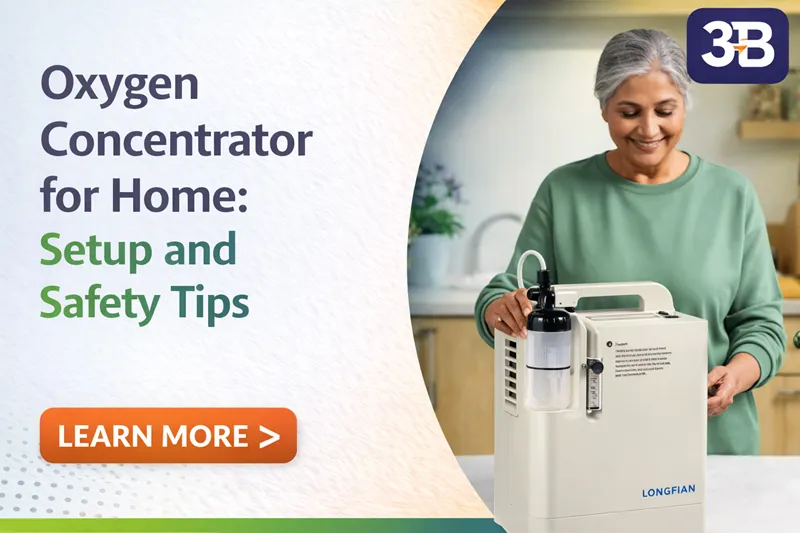
However, owning an oxygen concentrator is only half the
solution. Correct setup, proper placement, routine maintenance, and strict
safety practices are equally important. A poorly positioned or improperly
handled concentrator can reduce oxygen purity, shorten the machine’s life, or
even create fire and health hazards.
At Aarogyaa Bharat - Live Healthy, Live Better, we
believe oxygen therapy should be safe, simple, and stress-free for families.
This in-depth guide explains everything you need to know about setting up an
oxygen concentrator at home, daily safety precautions, maintenance routines,
and common mistakes to avoid.
What Is an Oxygen Concentrator and How Does It Work?
An oxygen concentrator is a medical device that pulls in
room air, removes nitrogen, and delivers concentrated oxygen (typically 90–96%
purity) to the patient. Unlike oxygen cylinders, concentrators do not need
refilling and can run continuously as long as there is power supply.
Inside the machine, special filters and sieve beds separate
oxygen from other gases. The oxygen is then delivered through tubing to a nasal
cannula or oxygen mask. Because concentrators depend on airflow and filtration,
they require correct ventilation and routine cleaning to function properly.
Step-by-Step Setup Guide for Home Use
Setting up an oxygen concentrator correctly ensures optimal
oxygen delivery and long-term device reliability. Follow these steps carefully:
1. Choose the Right Location
The concentrator must be placed in a clean, well-ventilated
area with at least 6–12 inches of space around all sides. This allows proper
airflow for cooling and filtration. Avoid placing the unit in enclosed
cabinets, tight corners, or directly against walls.
Keep the device away from kitchens, smoke zones, incense
sticks, and areas with heavy dust or humidity. A stable, flat surface prevents
vibrations and accidental tipping, especially for elderly patients living
alone.
2. Connect the Humidifier Bottle (If Applicable)
Many oxygen concentrators come with a humidifier bottle to
prevent dryness in the nose and throat. Fill the bottle only with distilled
water up to the marked level.
Secure the bottle tightly into its slot and connect one end
of the tubing to the oxygen outlet and the other end to the humidifier. Never
use tap water, as minerals can clog the system and promote bacterial growth.
3. Attach the Oxygen Tubing and Cannula
Connect the oxygen tubing from the humidifier or
concentrator outlet to the nasal cannula or mask. Ensure the tubing is not
bent, twisted, or stretched tightly across the room.
Long tubing should be routed safely along walls or floors
using clips to prevent tripping hazards. For bedridden patients, ensure tubing
length allows comfortable movement without pulling the concentrator.
4. Power On and Set the Flow Rate
Plug the concentrator into a grounded electrical socket with
a stabilizer if voltage fluctuations are common in your area. Turn on the power
switch and wait for the machine to stabilize (usually 1–5 minutes).
Set the oxygen flow rate exactly as prescribed by the
doctor. Never increase or decrease the flow without medical advice, as
incorrect oxygen levels can cause dizziness, oxygen toxicity, or breathing
difficulties.
Daily Safety Tips for Home Oxygen Use
Using oxygen at home requires strict safety awareness
because oxygen supports combustion. Even small sparks can cause serious fire
hazards.
Essential Safety Rules
• Keep the concentrator at least 5–10 feet away from open
flames, stoves, heaters, candles, and smoking zones
• Never smoke or allow others to smoke in the same room
• Avoid using petroleum-based creams or oils near the face or cannula
• Do not cover the concentrator with cloths or plastic sheets
• Always switch off the device before cleaning or relocating it
Electrical Safety Precautions
Always use a dedicated power socket for the concentrator.
Avoid extension cords and overloaded power strips.
In areas with frequent power cuts, connect the concentrator
to an inverter or UPS backup system to prevent therapy interruptions. Keep the
power cable away from water and ensure it is not frayed or damaged.
Information Graph Table: Setup & Safety Checklist
|
Category |
What to Do |
Why It Matters |
|
Placement |
Keep 6–12 inches of space around unit |
Prevents overheating and airflow blockage |
|
Power Supply |
Use stabilizer or UPS |
Protects machine from voltage fluctuations |
|
Humidifier |
Fill with distilled water only |
Prevents bacterial growth and clogging |
|
Tubing |
Avoid bending or twisting |
Ensures smooth oxygen flow |
|
Fire Safety |
No flames or smoking nearby |
Prevents fire accidents |
|
Daily Check |
Observe alarms and sound |
Detects malfunction early |
|
Cleaning |
Wipe outer surface weekly |
Prevents dust buildup |
Maintenance Schedule for Long-Term Performance
Proper maintenance extends the life of your concentrator and
keeps oxygen purity at safe levels.
Daily Tasks
Check oxygen flow and ensure there are no unusual sounds or
warning alarms. Verify that the tubing is properly connected and not leaking
air. Observe the patient’s comfort level and breathing pattern.
Weekly Tasks
Clean the nasal cannula and tubing using mild soap and warm
water. Let them air-dry completely before reuse. Wipe the outer surface of the
concentrator with a dry cloth to remove dust.
Monthly Tasks
Clean or replace the air filters as recommended by the
manufacturer. Dirty filters reduce oxygen purity and increase power
consumption. Inspect all connections for wear and tear.
Annual Servicing
Schedule professional servicing once a year. Technicians
test oxygen concentration levels, internal filters, and electrical safety
components. This step is essential for patients using oxygen therapy long-term.
Chart: When to Use 5L vs 10L Oxygen Concentrators
|
Patient Condition |
Recommended Capacity |
Reason |
|
Mild COPD |
5L |
Adequate for low-flow therapy |
|
Post-COVID recovery |
5L or 10L |
Depends on oxygen saturation |
|
Severe COPD |
10L |
Higher flow support needed |
|
Bedridden patients |
10L |
Continuous high-flow oxygen |
|
Multiple users |
10L |
Can support split flow usage |
Common Mistakes to Avoid
Many families unknowingly reduce the effectiveness of oxygen
therapy by making simple mistakes.
• Placing the concentrator in a closed room without
ventilation
• Using tap water in the humidifier bottle
• Ignoring warning alarms and error lights
• Allowing tubing to kink or get crushed under furniture
• Increasing oxygen flow without consulting a doctor
• Skipping regular filter cleaning
Avoiding these errors ensures safer therapy and protects
your investment.
Who Should Supervise Home Oxygen Use?
For elderly or critically ill patients, a caregiver should
always supervise daily oxygen usage.
Caregivers must learn how to operate the concentrator,
identify warning signs, clean components, and respond to emergencies. Aarogyaa
Bharat offers home demonstration services and telephonic guidance to help
families manage oxygen therapy confidently.
Why Choose Aarogyaa Bharat for Oxygen Concentrators?
At Aarogyaa Bharat, we go beyond just selling medical
equipment. We offer:
• Doctor-guided oxygen concentrator selection
• Installation and demo support
• Genuine branded concentrators
• Pan-India delivery
• Maintenance guidance and accessories
• Rental options for short-term needs
Our mission is to make home healthcare accessible,
affordable, and safe for every Indian family.
Conclusion
An oxygen concentrator is a life-support device, not just
another appliance. Correct installation, proper maintenance, and strict safety
practices can make the difference between smooth therapy and medical
emergencies.
By following this guide and staying informed, families can
create a safe home oxygen environment that supports healing, comfort, and peace
of mind.
If you need expert advice, verified products, or
installation support, Aarogyaa Bharat is always here to help you breathe
easier.