Introduction
Sleep is often called the body's natural reset button. But what happens when that reset is disrupted every night due to sleep-disordered breathing (SDB)?
A recent scientific study has revealed a startling connection: sleep-disordered breathing may accelerate your biological aging process. That means, even if you're young by the calendar, your body could be aging faster than it should—all because of how you breathe (or don’t) while sleeping.
Let's break down what this means and what you can do about it.
What is Sleep-Disordered Breathing (SDB)?
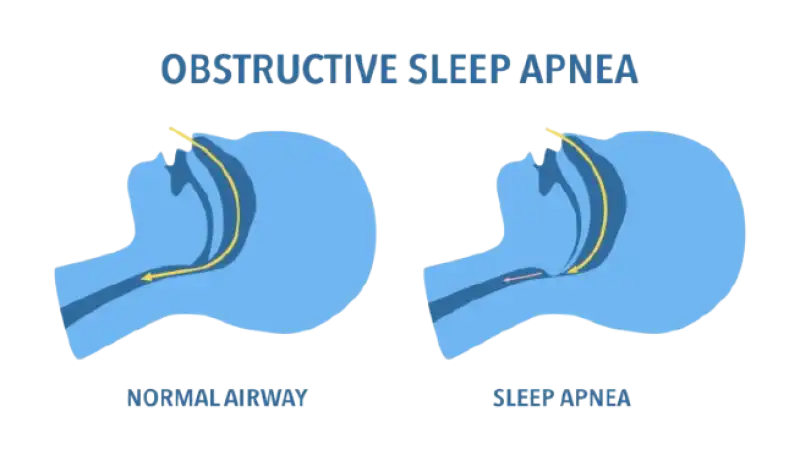
Sleep-disordered breathing refers to abnormal respiratory patterns during sleep, and it ranges from simple snoring to more severe conditions like obstructive sleep apnea (OSA). The most common forms of SDB include:
- Obstructive Sleep Apnea: Throat muscles intermittently relax and block the airway.
- Central Sleep Apnea: The brain fails to send proper signals to muscles controlling breathing.
- Mixed Sleep Apnea: A combination of both.
These interruptions in breathing lead to frequent awakenings, reduced oxygen levels, and a cascade of long-term health issues.
The Study: How Sleep Apnea Ages You Faster
According to a study published in the European Respiratory Journal, researchers examined individuals with varying degrees of sleep-disordered breathing and found:
- SDB was significantly associated with shorter telomeres—the protective caps on DNA strands linked to biological aging.
- People with more frequent breathing interruptions had signs of epigenetic age acceleration, meaning their cells were biologically older than their actual age.
- Inflammation and oxidative stress caused by disrupted sleep were key contributors to faster aging.
In simple terms: Poor breathing during sleep may be silently speeding up your aging process.
Signs You Might Have Sleep-Disordered Breathing
You may not even realize you have it. Here are red flags:
- Loud, chronic snoring
- Waking up gasping or choking
- Morning headaches
- Excessive daytime fatigue
- Poor memory and concentration
- Mood swings or irritability
- Insomnia or restless sleep
If you notice these signs, it’s time to seek medical advice.
Long-Term Health Risks of Untreated SDB
Sleep-disordered breathing doesn’t just age your body—it opens the door to serious conditions:
- High blood pressure and heart disease
- Type 2 diabetes
- Stroke
- Cognitive decline and memory issues
- Depression and anxiety
Early detection and treatment are key to preserving your physical and mental health.
How to Protect Yourself
- Get Evaluated: A simple sleep study (polysomnography) can diagnose SDB. Don’t ignore the symptoms.
- Use a CPAP Machine (if recommended): For those diagnosed with sleep apnea, a CPAP (Continuous Positive Airway Pressure) machine keeps your airways open through the night—dramatically improving sleep quality and long-term health.
- Maintain a Healthy Weight: Obesity is a major risk factor. Losing even a small amount of weight can significantly improve symptoms.
- Sleep on Your Side: Back sleeping worsens snoring and apnea. Try a side-sleeping pillow or positional therapy.
- Avoid Alcohol and Sedatives Before Bed: These substances relax throat muscles, increasing the risk of airway blockage.
FAQs
Q1. What is biological aging vs. chronological aging?
Chronological age is your actual age in years. Biological age refers to how old your cells and body systems function—which can be higher or lower than your real age.
Q2. Can treating SDB reverse aging effects?
While it may not reverse aging, treatment like CPAP can significantly slow down age-related decline caused by poor sleep.
Q3. Are there home tests for sleep apnea?
Yes, home sleep apnea tests (HSAT) are available, but a full lab sleep study is more accurate for diagnosis.
Q4. Is snoring always a sign of sleep apnea?
Not always, but loud and chronic snoring, especially with gasps or pauses, is a major red flag.
Q5. Can children have sleep-disordered breathing?
Yes. It's often linked to enlarged tonsils or obesity. Early intervention is crucial for proper growth and development.
Conclusion
This eye-opening study proves what health experts have long suspected: your sleep directly impacts how fast you age. Sleep-disordered breathing isn't just an inconvenience—it's a health hazard that silently accelerates your biological clock.
Don't let your sleep work against your health. Act early, get evaluated, and take the right steps to ensure you're aging gracefully—with every breath you take.
For trusted sleep health equipment, visit Aarogyaa Bharat and take control of your well-being today.
Neend ki quality sudharo, zindagi ka standard khud-b-khud upgrade ho jaayega!