Understanding How Water Changes the Way the Body
Exercises
Water fundamentally alters how the human body moves and
bears weight. When a person is immersed in water, buoyancy reduces the
effective body weight by a significant margin, depending on water depth. This
reduction in weight relieves pressure on joints, spine, hips, knees, and
ankles, making movement easier and less painful. At the same time, water
provides natural resistance in all directions, which gently strengthens muscles
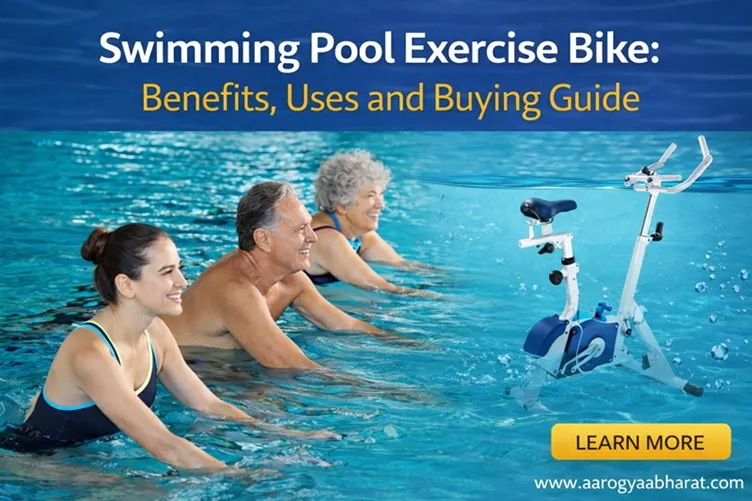
without sudden impact. Swimming pool exercise bikes take advantage of these properties
by allowing cycling motions that are smooth, controlled, and evenly resisted by
water. This makes aquatic cycling especially suitable for people who struggle
with pain, stiffness, or instability during land-based exercise.
Key Benefits of Using a Swimming Pool Exercise Bike
The primary benefit of a swimming pool exercise bike is its
ability to deliver cardiovascular exercise and muscle strengthening without
joint stress. Unlike traditional exercise bikes, which place body weight
directly on the hips and knees, pool bikes allow users to move freely with
reduced fear of injury. Regular use improves circulation, increases range of
motion, strengthens lower-body muscles, and supports heart health. For
rehabilitation patients, this translates into faster recovery with lower risk
of setbacks. Additionally, the soothing effect of warm water helps relax
muscles, reduce stiffness, and ease chronic pain, making exercise more
comfortable and sustainable.
Why Swimming Pool Exercise Bikes Are Ideal for Joint Pain
and Arthritis
Joint pain and arthritis are among the most common mobility
issues affecting elderly individuals and middle-aged adults in India.
Traditional exercises often worsen pain due to impact and load-bearing stress.
Swimming pool exercise bikes provide an ideal alternative by allowing joints to
move through their natural range of motion while being supported by water. The
cycling motion helps lubricate joints, improve flexibility, and strengthen
surrounding muscles, which in turn reduces pain over time. For arthritis
patients, consistent aquatic cycling can improve mobility, reduce stiffness,
and restore confidence in movement without relying heavily on pain medications.
Role in Post-Surgery Rehabilitation and Recovery
Post-surgery rehabilitation requires a careful balance
between movement and protection. Too little movement slows recovery, while too
much stress can damage healing tissues. Swimming pool exercise bikes are widely
used in post-surgery rehab programs for knee replacement, hip replacement,
spinal surgery, ligament repair, and fracture recovery. The controlled
resistance of water allows patients to begin gentle movement earlier than they
could on land. This early mobility improves circulation, prevents muscle wasting,
and supports faster functional recovery. For patients transitioning from
hospital to home or rehab centers, aquatic cycling bridges the gap between rest
and full physical activity.
Use in Neurological and Balance Rehabilitation
Swimming pool exercise bikes are also beneficial for
individuals with neurological conditions such as stroke recovery, Parkinson’s
disease, or balance disorders. Water provides stability and reduces fall risk,
allowing patients to focus on movement rather than fear of losing balance. The
rhythmic cycling motion helps retrain motor patterns, improve coordination, and
build endurance. For patients with limited confidence or uneven strength,
aquatic cycling offers a safe environment to practice movement repeatedly,
which is essential for neurological rehabilitation.
Benefits for Elderly Fitness and Active Aging
As people age, maintaining mobility becomes essential for
independence and quality of life. However, fear of falls and pain often
discourage elderly individuals from exercising. Swimming pool exercise bikes
encourage regular physical activity by making exercise feel safe and enjoyable.
Elderly users can pedal at their own pace, benefiting from improved
circulation, muscle strength, and joint flexibility. Regular aquatic cycling
helps prevent muscle loss, supports balance, and improves overall energy levels,
contributing to healthier and more active aging.
Applications in Weight Management and Low-Impact Fitness
Swimming pool exercise bikes are not limited to
rehabilitation; they are also effective for weight management and general
fitness. Water resistance increases calorie burn while remaining gentle on
joints. This makes aquatic cycling suitable for overweight individuals who may
struggle with land-based workouts. The cooling effect of water reduces
overheating, allowing longer and more comfortable exercise sessions. For people
looking to improve fitness without high-impact strain, pool exercise bikes
offer a balanced and sustainable solution.
Common Settings Where Pool Exercise Bikes Are Used
Swimming pool exercise bikes are widely used in
physiotherapy centers, rehabilitation hospitals, wellness resorts, senior
living communities, and increasingly in private homes with pools. In
professional settings, they are often integrated into structured hydrotherapy
programs supervised by trained therapists. At home, they provide a convenient
way for individuals to continue therapy or fitness routines independently.
Their versatility makes them suitable for both clinical rehabilitation and
preventive wellness programs.
Key Benefits of Swimming Pool Exercise Bikes
|
Benefit
Area |
How It
Helps the User |
|
Joint
protection |
Reduces load
and impact |
|
Muscle
strengthening |
Water
resistance builds strength |
|
Pain
reduction |
Warm water
relaxes muscles |
|
Cardiovascular
health |
Improves
endurance safely |
|
Balance
support |
Water
provides stability |
|
Rehabilitation |
Enables early
and safe movement |
Understanding Different Types of Swimming Pool Exercise
Bikes
Swimming pool exercise bikes come in different designs to
suit varying needs. Some are designed for deep-water use with adjustable
anchoring systems, while others are intended for shallow pools where users can
sit comfortably. Materials used must be corrosion-resistant, typically
stainless steel or coated aluminium, to withstand constant water exposure.
Adjustable seats and handlebars ensure proper posture and comfort for users of
different heights and mobility levels. Understanding these variations helps buyers
choose a model that fits their pool type and rehabilitation goals.
Key Factors to Consider When Buying a Pool Exercise Bike
Choosing the right swimming pool exercise bike requires
careful consideration of several factors. Pool depth and size determine whether
a deep-water or shallow-water model is suitable. User weight capacity,
adjustability, and stability are critical for safety. Resistance mechanism,
ease of installation, and maintenance requirements should also be evaluated.
For Indian buyers, availability of service support and spare parts is an
important consideration. A well-chosen bike ensures long-term usability and consistent
performance.
Safety Considerations During Aquatic Cycling
Although aquatic exercise is generally safe, proper
precautions are essential. Users should enter and exit the pool carefully, use
non-slip surfaces, and ensure the bike is securely positioned. Sessions should
begin with short durations and gradually increase based on comfort and medical
advice. For rehabilitation patients, exercises should be guided by a
physiotherapist to avoid overexertion. Safety-focused usage ensures that the
benefits of pool exercise bikes are achieved without risk.
Who Should Use Swimming Pool Exercise Bikes
|
User Group |
Primary
Benefit |
|
Pain-free
joint movement |
|
|
Post-surgery
patients |
Controlled
rehabilitation |
|
Elderly
individuals |
Safe fitness
and mobility |
|
Neurological
patients |
Balance and
coordination |
|
Overweight
users |
Low-impact
calorie burn |
|
Fitness
enthusiasts |
Joint-friendly
endurance |
Long-Term Rehabilitation and Lifestyle Benefits
One of the greatest advantages of swimming pool exercise
bikes is their suitability for long-term use. Unlike some rehab tools that are
used temporarily, pool bikes can be part of a lifelong fitness routine. Regular
aquatic cycling improves mobility, reduces dependency on pain medication, and
enhances overall quality of life. For individuals recovering from major health
events, this consistency is key to preventing relapse and maintaining
independence.
Emotional and Psychological Benefits of Aquatic Exercise
Beyond physical recovery, aquatic exercise has significant
emotional benefits. The calming effect of water reduces stress and anxiety,
making exercise feel therapeutic rather than exhausting. Patients who may feel
discouraged by slow progress on land often regain motivation in water, where
movement feels easier and more natural. This psychological boost plays a
crucial role in adherence to rehabilitation programs and long-term wellness
goals.
Conclusion
Swimming pool exercise bikes represent a powerful
combination of science, safety, and comfort in modern rehabilitation and
fitness. By leveraging the unique properties of water, they enable pain-free
movement, faster recovery, and sustainable exercise for people of all ages and
conditions. From post-surgery rehabilitation and arthritis management to
elderly fitness and low-impact weight control, these bikes serve a wide range
of needs. Choosing the right swimming pool exercise bike and using it consistently
can transform recovery journeys and support long-term health. For Indian
families, physiotherapy centers, and wellness facilities, aquatic cycling is
not just an option it is a smart, future-ready investment in holistic
well-being.
Aqua exercise bikes have become a cornerstone of modern pool
therapy and aquatic rehabilitation, offering a safe, low-impact, and highly
effective way to restore mobility, strength, and confidence after injury,
surgery, or long-term illness. By combining controlled cycling motion with the
natural therapeutic properties of water, aqua exercise bikes enable
rehabilitation without pain or joint stress. This extremely detailed guide by
Aarogyaa Bharat explains how aqua exercise bikes are used in pool therapy, who
benefits the most, how rehabilitation programs are structured, and why aquatic
cycling is one of the most reliable recovery tools for long-term physical
wellness.