Introduction
As COVID-19 continues to impact communities worldwide, a simple yet effective tool has emerged as a lifesaver: the oxygen concentrator. This device has become crucial in treating patients with severe respiratory symptoms, both in hospitals and at home. The "oxygen concentrator hack" refers to the innovative use of these devices to provide critical care outside traditional medical settings. Let's explore how this hack is making a difference and what you need to know about oxygen concentrators.
Understanding Oxygen Concentrators
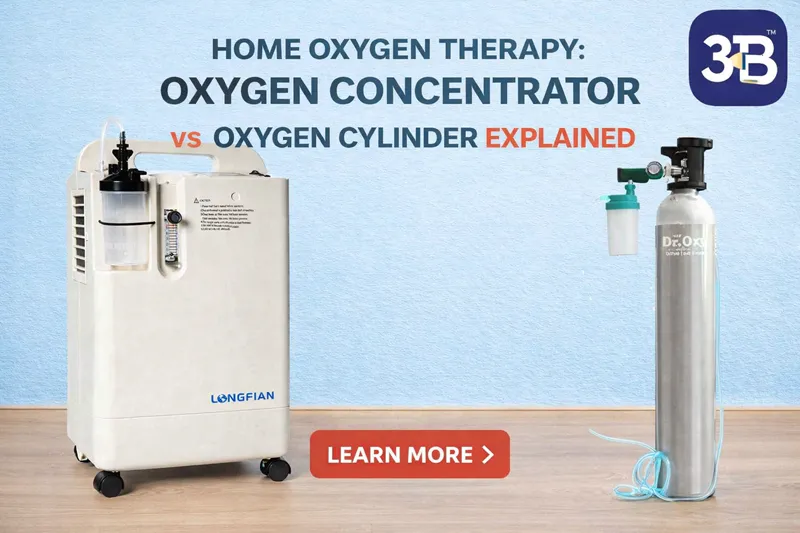
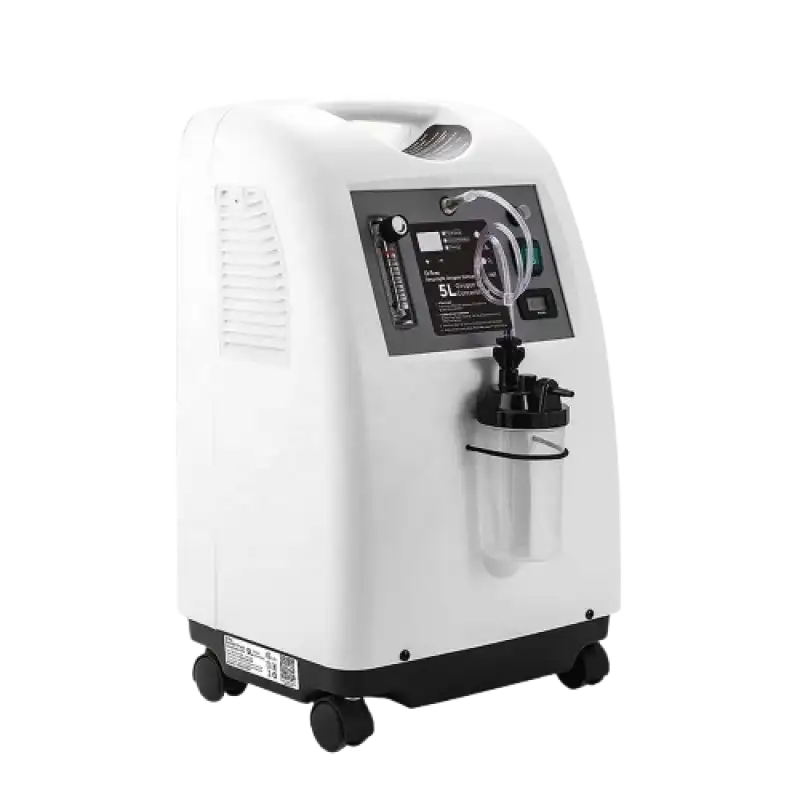
An oxygen concentrator is a medical device that concentrates oxygen from ambient air. Unlike oxygen cylinders that contain a finite amount of compressed oxygen, concentrators can provide a continuous supply of oxygen-enriched air. They work by:
Drawing in room air
Removing nitrogen
Delivering concentrated oxygen to the patient
These devices are particularly useful for patients with low blood oxygen levels, a common complication of severe COVID-19.
The Oxygen Concentrator Hack
The "hack" isn't about modifying the device itself, but rather about using it in innovative ways:
Home Use: Patients with mild to moderate symptoms can use oxygen concentrators at home, reducing the burden on hospitals.
Community Centers: Some communities have set up oxygen banks with concentrators available for those in need.
Telemedicine Integration: Doctors can remotely monitor patients using oxygen concentrators, adjusting treatment as necessary.
This approach has been particularly effective in areas where hospital beds are scarce, allowing many COVID-19 patients to receive essential oxygen therapy without hospitalization.
Types of Oxygen Concentrators
There are several types of oxygen concentrators available:
Stationary Concentrators: These are larger units designed for home use. They typically provide higher oxygen flow rates, making them suitable for patients with more severe needs.
Portable Oxygen Concentrators: These smaller, battery-operated units allow patients to move around freely. They're ideal for those who need oxygen therapy but want to maintain an active lifestyle.
High-Flow Oxygen Concentrators: These specialized units can deliver higher oxygen flow rates, typically up to 10 liters per minute, making them suitable for patients with more severe respiratory issues.
Popular brands include:
Philips Respironics
DeVilbiss
Inogen
ResMed
Renting vs. Buying an Oxygen Concentrator
When considering an oxygen concentrator, you have two main options: renting or buying. Here's what to consider:
Renting:
Lower upfront cost
Good for short-term needs
Maintenance usually included
Easier to upgrade or change models
Buying:
More cost-effective for long-term use
You own the device
No rental return deadlines
Potential for resale
For COVID-19 patients, renting is often the best option due to the typically short-term nature of their oxygen needs.
Pricing and Availability
Oxygen concentrator prices vary widely depending on the type, brand, and features.
Rental prices typically range from Rs.200 to Rs.500 per month, depending on the model and location.
Due to high demand during COVID-19 surges, availability can be limited. It's advisable to:
Check with multiple suppliers
Consider both new and refurbished units
Look into community oxygen banks or rental programs
Maintaining Your Oxygen Concentrator
Proper maintenance is crucial for the effective operation of an oxygen concentrator:
Regular Cleaning: Wipe down the exterior daily and clean the air intake filters weekly.
Filter Replacement: Replace disposable filters as recommended by the manufacturer.
Professional Servicing: Have the unit serviced by a professional annually or as advised.
Proper Usage: Follow the manufacturer's instructions for operation and avoid overuse.
Remember, a well-maintained oxygen concentrator is more reliable and efficient, which is crucial when dealing with respiratory issues.
Conclusion
The oxygen concentrator hack has proven to be a valuable tool in the fight against COVID-19, providing a lifeline for patients struggling with respiratory symptoms. Whether rented or purchased, these devices offer a flexible and effective way to deliver oxygen therapy outside of hospital settings. As we continue to face the challenges of the pandemic, understanding and utilizing oxygen concentrators could make a significant difference in patient outcomes and hospital capacity management.
Remember, while oxygen concentrators can be lifesaving, they should always be used under medical supervision. If you or a loved one are experiencing severe COVID-19 symptoms, contact your healthcare provider immediately for guidance on the appropriate treatment approach.