Introduction
As we thought we were finally moving past the COVID-19 pandemic, recent news has brought a stark reminder that the virus is still very much with us. With cases on the rise once again, it's natural to feel a sense of déjà vu and perhaps even panic. But don't worry – we've been here before, and this time we're better prepared. Let's dive into what's happening and how we can cope with this new wave of COVID.
Understanding the Current Situation
COVID-19 has proven to be a persistent foe. Despite widespread vaccination efforts and improved treatments, the virus continues to evolve, leading to new variants that can sometimes evade our existing defenses. This is why we're seeing a resurgence in cases in many parts of the world.
It's important to remember that while case numbers may be increasing, the situation is different from the early days of the pandemic. We now have more tools at our disposal, including vaccines, better treatments, and a deeper understanding of how the virus spreads.
Protecting Yourself and Others
The Importance of Face Masks
One of the most effective ways to prevent the spread of COVID-19 is still the use of face masks. While it might feel like a step backward, wearing a mask in crowded or indoor public spaces can significantly reduce your risk of both contracting and spreading the virus.
Choose a well-fitting mask that covers your nose and mouth
Consider using N95 or KN95 masks for better protection
Wash reusable masks regularly and dispose of single-use masks properly
Maintaining Good Hygiene Practices
Remember the basics we learned early in the pandemic? They're still crucial:
Wash your hands frequently with soap and water for at least 20 seconds
Use hand sanitizer when soap and water aren't available
Avoid touching your face, especially your eyes, nose, and mouth
Clean and disinfect frequently touched surfaces in your home and workplace
Preparing for Potential Illness
While we hope to avoid getting sick, it's wise to be prepared just in case. Here are some steps you can take:
Stock Up on Essentials
Keep a supply of over-the-counter medications like pain relievers and cough suppressants
Ensure you have enough of your regular prescription medications
Stock up on fluids and easy-to-prepare foods
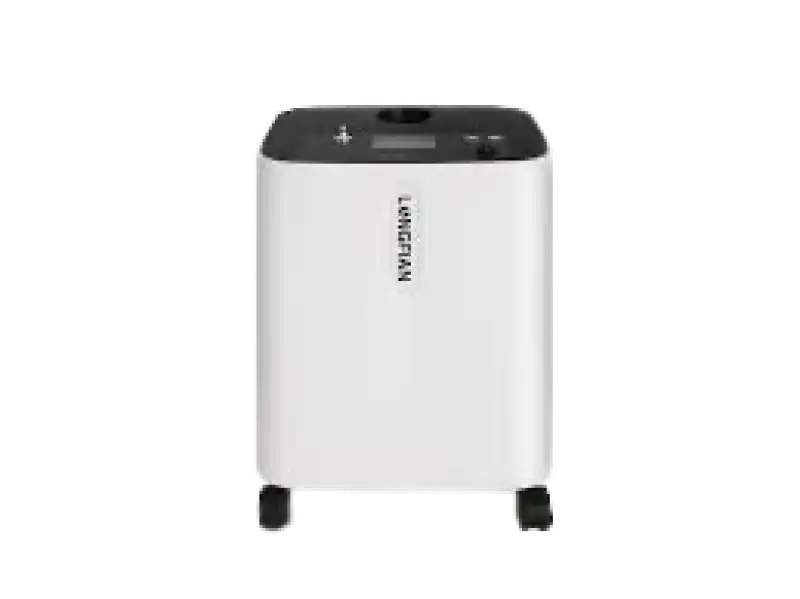
Consider Investing in a Home Oxygen Concentrator
For those at higher risk of severe COVID-19, having a home oxygen concentrator can provide peace of mind. These devices concentrate oxygen from the air, providing supplemental oxygen if needed. While not everyone will require one, it can be a valuable tool for those with certain health conditions.
Remember: Always consult with a healthcare professional before using any medical device at home.
What to Do If You Get Sick
If you start experiencing COVID-19 symptoms, it's important to act quickly:
Isolate yourself from others in your household
Get tested as soon as possible
Contact your healthcare provider for guidance
Monitor your symptoms closely
When to Seek Medical Care
Most people with COVID-19 can recover at home. However, you should seek immediate medical attention if you experience:
Difficulty breathing
Persistent chest pain or pressure
Confusion or inability to wake or stay awake
Bluish lips or face
The Role of Hospitals in the Current Wave
With the increase in COVID-19 cases, there's understandable concern about hospital capacity. Many hospitals are better prepared now, with dedicated COVID-19 units and improved treatment protocols. However, it's still crucial to do our part in preventing the spread to avoid overwhelming healthcare systems.
Hospital Bed Availability
If you or a loved one needs hospital care, be aware that procedures may have changed:
Many hospitals have systems in place to separate COVID-19 patients from others
Some may have restrictions on visitors to reduce transmission risk
Non-emergency procedures might be postponed if cases surge in your area
Coping with Pandemic Fatigue
It's normal to feel frustrated or anxious about the return of COVID-19. Here are some strategies to help you cope:
Stay Informed, But Set Boundaries
Choose reliable sources for your COVID-19 information
Limit your exposure to news if you find it overwhelming
Focus on what you can control in your daily life
Maintain Social Connections
Use video calls to stay in touch with friends and family
Consider outdoor meetups where distancing is easier
Join online communities or groups that share your interests
Take Care of Your Mental Health
Practice stress-reduction techniques like meditation or deep breathing
Maintain a regular exercise routine, even if it's just a daily walk
Seek professional help if you're struggling with anxiety or depression
Looking Ahead with Hope
While the return of COVID-19 can feel disheartening, it's important to remember how far we've come. We have vaccines, improved treatments, and a wealth of knowledge about the virus that we didn't have at the start of the pandemic.
By staying vigilant, supporting each other, and following public health guidelines, we can navigate this new wave together. Remember, every precaution you take not only protects you but also your community.
As we face this challenge once again, let's approach it with resilience, compassion, and the knowledge that we've overcome similar hurdles before. Together, we can get through this and emerge stronger on the other side.