



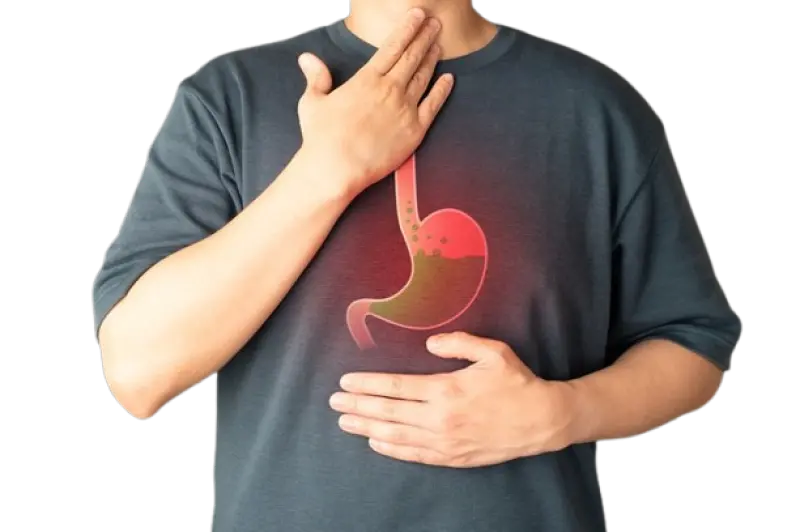
Hyperacidity: A Growing Concern You Shouldn’t Ignore
Hyperacidity, also known as acid reflux or acid dyspepsia, is one of the most common digestive complaints worldwide. Often dismissed as a minor issue, untreated hyperacidity can interfere with daily life, productivity, and long-term digestive health.
Let’s break down what hyperacidity really is, why it happens, how it affects your body, and how you can manage or prevent it effectively.
What Is Hyperacidity?
Hyperacidity refers to the excessive secretion of gastric acid in the stomach. This acid is crucial for digestion, but when produced in excess or not managed properly by the body, it can lead to discomfort, burning sensations, and even damage to the stomach lining or esophagus.
Common Causes of Hyperacidity
Poor Eating Habits
Skipping meals
Overeating
Eating late at night
Eating spicy, fried, or junk foods
Lifestyle Factors
High stress or anxiety
Smoking
Excessive alcohol or caffeine consumption
Lack of physical activity
Medical Reasons
GERD (Gastroesophageal Reflux Disease)
Peptic ulcers
Certain medications like NSAIDs
Symptoms of Hyperacidity
Burning sensation in the chest (heartburn)
Sour or bitter taste in the mouth
Stomach bloating or heaviness
Nausea or vomiting
Frequent burping
Loss of appetite
Disrupted sleep due to acid reflux
If you experience these symptoms frequently, it could indicate chronic hyperacidity and may need medical evaluation.
How to Manage Hyperacidity Naturally
1. Modify Your Diet
Avoid spicy, oily, and acidic foods.
Eat small, frequent meals instead of large ones.
Include alkaline foods like bananas, oats, melons, and leafy greens.
2. Stay Hydrated
Drink water 30 minutes before and after meals—not during.
Avoid carbonated or caffeinated beverages.
3. Maintain a Healthy Routine
Avoid lying down right after eating.
Try light walks after meals to support digestion.
Sleep with your head elevated if nighttime acidity is a concern.
4. Try Natural Remedies
Cold milk or fennel tea can soothe the stomach.
Chewing gum may reduce acid buildup.
Basil leaves and ginger have natural anti-acid properties.
5. Consult a Doctor
For chronic or severe symptoms, consult a gastroenterologist.
Prescription antacids or proton-pump inhibitors (PPIs) may be required.
When to Worry?
If hyperacidity persists for weeks or becomes painful, it may point to:
Ulcers
H. pylori infection
GERD
Gastritis
Prompt diagnosis and treatment are essential to prevent complications like esophageal damage or Barrett’s esophagus.
FAQs About Hyperacidity
1. Can hyperacidity be cured permanently?
While it may not always be curable, hyperacidity can often be managed or prevented through lifestyle changes and medical treatment.2. Is milk good for hyperacidity?
Yes, cold milk can provide temporary relief by neutralizing stomach acid, but it’s not a long-term solution for chronic acidity.3. What foods trigger acidity the most?
Spicy foods, fried items, caffeinated drinks, and processed junk food are common triggers.4. Can stress cause hyperacidity?
Absolutely. Stress and anxiety can stimulate acid production and delay digestion, increasing the chances of acid reflux.5. When should I see a doctor for acidity?
If symptoms persist for more than two weeks, worsen over time, or include vomiting, weight loss, or chest pain, it’s important to seek medical attention.Final Thoughts
While hyperacidity might seem like a minor nuisance, it’s a signal from your body that your digestive system needs care. Simple lifestyle adjustments, timely meals, and stress reduction can make a significant difference in how your body manages stomach acid.





