Why Bathroom Safety Is Critical for Elderly Mobility
Bathrooms are among the most common locations for falls due
to slippery tiles, moisture, and limited support points. Seniors may experience
difficulty standing up, turning, or maintaining balance while moving between
the toilet, sink, or shower area. Reduced muscle strength, joint stiffness, or
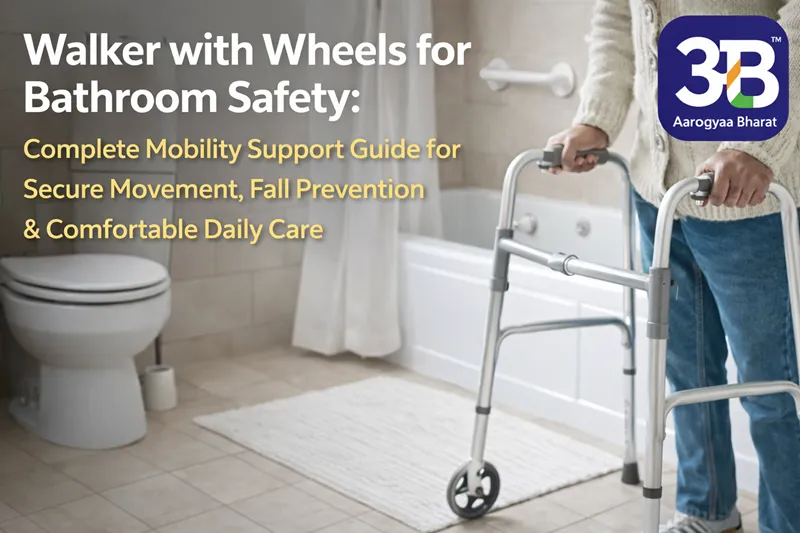
dizziness further increase accident risk in this confined space. A walker with
wheels allows smoother movement without lifting, helping seniors maintain
stability even on slightly wet surfaces. Families planning safer home
environments frequently explore Aarogyaa Bharat Hospital Page alongside Mobility Aid Categories to integrate walkers with grab bars, commode
chairs, and anti-slip accessories for complete bathroom safety.
How Wheeled Walkers Improve Stability in Bathroom Areas
Traditional walkers without wheels may require lifting,
which can be difficult in tight bathroom spaces. Walkers with wheels provide
controlled forward movement, allowing seniors to reposition themselves safely
without sudden strain. The rolling motion reduces pressure on joints and
shoulders while encouraging natural walking patterns. For seniors who struggle
with fatigue or balance, wheeled walkers offer a practical solution that
combines stability with ease of movement. Many families integrate walker usage
with Aarogyaa Bharat Rehabilitation Sections to improve coordination and
strengthen muscles involved in standing and walking.
Types of Walkers with Wheels Suitable for Bathroom Safety
Front-wheel walkers are often recommended for bathrooms
because they allow smoother movement while maintaining strong stability.
Compact rollator walkers with brakes and narrow frames can be suitable for
larger bathrooms where turning space is available. Lightweight foldable wheeled
walkers are ideal for smaller bathrooms because they can be positioned easily
near toilets or sinks without occupying excessive space. Families frequently
compare walker options across Aarogyaa Bharat Product Category Pages and Hospital
Page equipment listings to ensure compatibility with bathroom layouts and
safety needs.
Wheeled Walker Comparison for Bathroom Use
|
Walker
Type |
Space
Compatibility |
Key
Benefit |
Recommended
Bathroom Size |
|
Front-Wheel
Walker |
High |
Smooth
controlled movement |
Small to
medium bathrooms |
|
Compact
Rollator Walker |
Moderate |
Brakes &
seat support |
Large
bathrooms |
|
Foldable
Wheeled Walker |
Very High |
Easy
positioning & storage |
Compact
bathrooms |
Key Features to Look for in a Bathroom-Friendly Wheeled
Walker
When choosing a walker for bathroom safety, a narrow frame
width is essential to navigate tight spaces easily. Anti-slip wheels or rubber
tips provide traction on wet surfaces, reducing slip risk. Adjustable height
ensures upright posture and prevents bending while moving between fixtures.
Ergonomic hand grips improve control during transfers, especially when standing
up from a commode or toilet seat. Reliable braking systems are crucial for
rollator models to prevent unintended rolling. Many families use Aarogyaa
Bharat Healthcare Calculator tools and Elderly Care Planning Sections to
evaluate long-term mobility needs when combining walkers with bathroom safety
equipment and rehabilitation tools.
Importance of Manoeuvrability in Tight Bathroom Spaces
Bathrooms often have limited turning space, making
manoeuvrability a critical factor when selecting a walker. Walkers with front
wheels allow smooth direction changes without requiring lifting, reducing
strain on weak muscles. Lightweight frames help seniors reposition the walker
easily when transitioning between sink, shower, or toilet areas. Families
exploring Aarogyaa Bharat Mobility Aid Sections often prioritize compact
designs that maintain stability while allowing effortless navigation in
confined bathroom environments.
Combining Walkers with Bathroom Safety Equipment
Walkers are most effective when used alongside other safety
aids. Installing grab bars near the toilet and shower provides additional
support during transfers. Anti-slip mats reduce the risk of slipping on wet
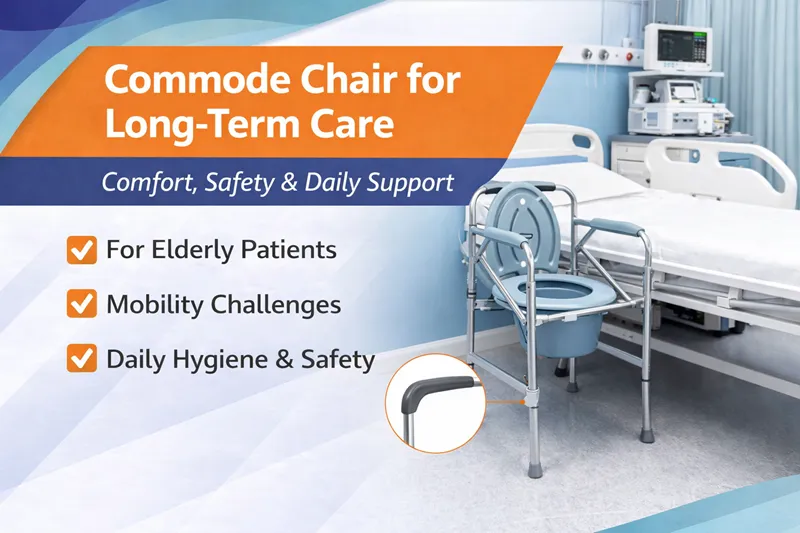
floors. Raised toilet seats and commode chairs improve comfort and reduce the
effort required to sit or stand. Families frequently explore Aarogyaa Bharat
Hospital Page and Elderly Care Solutions to create a comprehensive
bathroom safety setup that works seamlessly with wheeled walkers.
Role of Walkers in Post-Surgery and Rehabilitation
Bathroom Use
During recovery from surgery or illness, bathroom visits may
become challenging due to limited strength or balance. Wheeled walkers allow
seniors to maintain independence during these essential daily routines.
Physiotherapists often recommend walker-assisted movement during rehabilitation
to improve coordination and reduce fall risk. Combining walkers with Aarogyaa
Bharat Rehabilitation Categories such as physiotherapy accessories and balance
training tools enhances recovery while maintaining safety.
Safety Tips for Using a Wheeled Walker in the Bathroom
Before entering the bathroom, seniors should ensure that
walker brakes are functioning properly and that floors are dry. The walker
should always be positioned close to the body to maintain balance. Sudden turns
or rushing should be avoided, especially when surfaces are wet. Caregivers
should inspect wheels and rubber tips regularly to ensure reliable traction.
Adding Aarogyaa Bharat Elderly Care Accessories such as anti-slip footwear and
transfer supports further improves bathroom safety.
Emotional and Psychological Benefits of Safe Bathroom
Mobility
Maintaining privacy and independence during bathroom
routines has a significant emotional impact on seniors. A wheeled walker
provides reassurance by allowing safe movement without constant caregiver
assistance. This independence promotes dignity, reduces anxiety, and encourages
seniors to remain active in their daily routines. Families often integrate
walkers with Aarogyaa Bharat Rehabilitation Sections and Hospital Page
equipment to create an environment that supports both emotional well-being and
physical safety.
Maintenance and Long-Term Care of Bathroom Walkers
Bathroom environments expose walkers to moisture, which may
cause wear over time. Regular cleaning and drying of frames and wheels prevent
rust and maintain performance. Brake systems should be checked periodically,
especially for rollator models. Rubber tips should be replaced when worn to
ensure proper grip. Many families review Aarogyaa Bharat Hospital Page safety
guidelines and Elderly Care Sections to maintain walker functionality and
extend its lifespan.
Cost Considerations and Long-Term Planning
Walkers with wheels designed for bathroom safety vary in
price depending on features such as frame material, wheel size, and braking
systems. Front-wheel walkers are generally more affordable, while compact
rollators may involve higher investment. Families often use Aarogyaa Bharat
Healthcare Calculator tools to estimate expenses when mobility aids are part of
a broader home healthcare plan that includes rehabilitation equipment, safety
accessories, and hospital support solutions.
Important Feature Checklist Before Final Selection
|
Feature |
Why It
Matters |
What to
Check |
|
Narrow Frame
Width |
Fits tight
bathroom spaces |
Measure
doorway width |
|
Anti-Slip
Wheels/Tips |
Wet floor
safety |
High-traction
rubber |
|
Adjustable
Height |
Maintains
posture |
Wrist-level
alignment |
|
Reliable
Brakes |
Prevents
rolling |
Easy locking
mechanism |
|
Lightweight
Frame |
Easy
repositioning |
Aluminum
construction |
Conclusion
A walker with wheels for bathroom safety is a valuable mobility solution that enhances stability, reduces fall risk, and promotes independent daily routines for elderly individuals. By understanding walker types and integrating mobility aids with Aarogyaa Bharat Hospital Page solutions, Rehabilitation Categories, Elderly Care Sections, Product Category Pages, and Healthcare Calculator tools, families can create a safer and more supportive bathroom environment. The right wheeled walker not only improves physical mobility but also restores confidence, comfort, and dignity during essential daily activities.