Introduction
For individuals living with respiratory conditions such as Chronic Obstructive Pulmonary Disease (COPD), pneumonia, pulmonary fibrosis, severe asthma, or post-COVID lung damage, oxygen therapy can significantly improve quality of life. When the lungs are unable to absorb enough oxygen naturally, supplemental oxygen becomes essential for maintaining organ function and preventing complications. Oxygen concentrators offer a convenient, safe, and cost-effective solution for long-term oxygen therapy at home. Unlike oxygen cylinders that require refilling, concentrators generate oxygen from ambient air, making them suitable for continuous use. Families planning respiratory care often explore Aarogyaa Bharat Hospital Page equipment and Respiratory Care Product Categories to integrate oxygen concentrators with pulse oximeters, BiPAP machines, nebulizers, and home ICU setups for complete breathing support.
1. What is an Oxygen Concentrator?
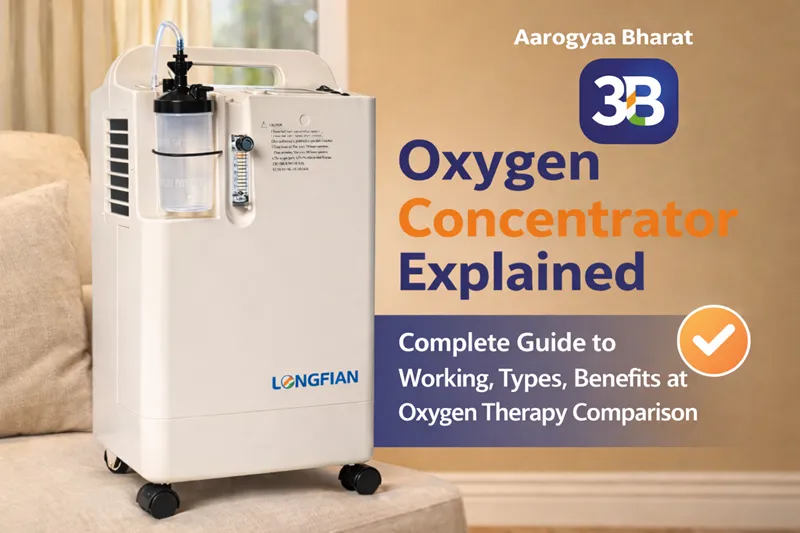
An oxygen concentrator is a medical device that extracts oxygen from room air and delivers purified oxygen to patients who require respiratory support. Instead of storing oxygen like traditional cylinders, concentrators draw in ambient air, which contains approximately 21% oxygen and 78% nitrogen, and remove nitrogen to increase oxygen concentration to about 90–95%. This purified oxygen is delivered through a nasal cannula or oxygen mask. The device operates continuously as long as it is connected to a power source, ensuring an uninterrupted supply of oxygen. Oxygen concentrators are commonly recommended for chronic lung diseases, post-surgical recovery, and hypoxia management. Families frequently explore Aarogyaa Bharat Oxygen Therapy Product Categories to compare different concentrator models based on flow rate, portability, and home usage requirements.
Key Components of an Oxygen Concentrator
Understanding the internal components of an oxygen concentrator helps patients appreciate how the device ensures safe and efficient oxygen delivery. The compressor draws in ambient air and increases pressure to facilitate gas separation. The sieve bed filter, typically made of zeolite material, traps nitrogen molecules while allowing oxygen to pass through. Pressure valves regulate airflow and maintain consistent oxygen output. Modern concentrators also include control panels, oxygen purity sensors, and alarms that alert users to low oxygen concentration or power failure. Compact designs make them suitable for bedrooms, living rooms, and home ICU environments. Families planning comprehensive respiratory care often integrate concentrators with Aarogyaa Bharat Hospital Page solutions such as oxygen masks, humidifier bottles, and backup power systems.
2. How Does an Oxygen Concentrator Work?
Oxygen concentrators function using a process called Pressure Swing Adsorption (PSA), which separates oxygen from nitrogen in ambient air. First, the device pulls in surrounding air through intake filters that remove dust and impurities. The compressor then pressurizes the air and directs it into sieve beds containing zeolite, which selectively absorbs nitrogen molecules. Once nitrogen is removed, the remaining oxygen-rich air flows into a storage tank before being delivered to the patient. The system alternates between two sieve beds to ensure continuous oxygen output without interruption. This automated cycle allows concentrators to provide a steady oxygen flow for extended periods. Families exploring Aarogyaa Bharat Respiratory Care Sections often review oxygen concentrator specifications alongside pulse oximeters to monitor oxygen saturation effectively.
Step-by-Step Working Process
| Step | Process | Purpose |
|---|---|---|
| Air Intake | Draws in room air | Provides raw atmospheric air |
| Compression | Pressurizes air | Prepares for gas separation |
| Nitrogen Filtration | Zeolite traps nitrogen | Increases oxygen concentration |
| Oxygen Delivery | Supplies 90–95% oxygen | Supports patient breathing |
3. When Do You Need an Oxygen Concentrator?
Oxygen concentrators are prescribed when blood oxygen saturation levels consistently fall below normal ranges, typically below 90%. Conditions such as COPD reduce lung capacity, making oxygen supplementation essential for maintaining organ health. Severe asthma attacks can temporarily reduce oxygen intake, requiring short-term oxygen therapy. Pneumonia, post-COVID lung complications, and post-surgical respiratory weakness also benefit from supplemental oxygen. Sleep apnea and hypoxia may require nighttime oxygen therapy to improve sleep quality and reduce cardiovascular strain. Healthcare professionals assess oxygen needs using pulse oximetry or arterial blood gas tests before recommending a concentrator. Families often consult Aarogyaa Bharat Hospital Page respiratory equipment to combine concentrators with monitoring devices for comprehensive home care management.
4. Types of Oxygen Concentrators
There are two primary types of oxygen concentrators: stationary and portable models. Each type serves different mobility and therapy needs.
Stationary Oxygen Concentrators
Stationary concentrators are designed for home use and typically provide higher flow rates, up to 10 liters per minute. These units require a constant electrical connection and are ideal for patients who need continuous oxygen therapy indoors. They are commonly used in home ICU setups and integrated with humidifier bottles to prevent airway dryness.
Portable Oxygen Concentrators (POCs)
Portable models are lightweight, battery-powered devices that allow users to move freely while receiving oxygen therapy. They typically provide pulse-dose oxygen delivery and lower flow rates, making them suitable for active individuals. Portable oxygen concentrators are approved for air travel by aviation authorities, allowing patients to maintain therapy while traveling.
Families often compare models within Aarogyaa Bharat Oxygen Therapy Product Categories to select the appropriate concentrator based on prescribed flow rate and lifestyle requirements.
Stationary vs Portable Oxygen Concentrator Comparison
| Feature | Stationary | Portable |
|---|---|---|
| Flow Rate | Up to 10 LPM | Up to 5 LPM |
| Mobility | Fixed location | Travel-friendly |
| Power Source | Direct electricity | Battery-powered |
| Ideal Use | Home ICU setup | Active lifestyle |
5. Benefits of Using an Oxygen Concentrator
Oxygen concentrators provide continuous oxygen supply without requiring tank refills, reducing long-term maintenance costs. They improve oxygen saturation levels, enhance sleep quality, reduce fatigue, and support organ function in chronic respiratory conditions. Portable models enable users to maintain independence and participate in daily activities. Over time, consistent oxygen therapy may improve exercise tolerance and overall quality of life. Families planning respiratory management often integrate concentrators with Aarogyaa Bharat Home Care Solutions and Rehabilitation Sections to create a structured care plan that supports long-term health.
6. Oxygen Concentrators vs Oxygen Cylinders
Oxygen cylinders store compressed oxygen and require refilling when depleted. While they do not depend on electricity, they are heavy and less convenient for continuous long-term use. Oxygen concentrators generate oxygen on demand, eliminating refill requirements and offering consistent output as long as power is available. Cylinders are useful during emergencies or power outages, while concentrators are more economical for ongoing therapy. Many families combine concentrators with backup cylinders sourced through Aarogyaa Bharat Hospital Page equipment to ensure uninterrupted oxygen therapy.
Maintenance and Safety Considerations
Regular maintenance ensures safe operation of oxygen concentrators. Filters should be cleaned periodically to prevent dust buildup, and oxygen purity indicators should be monitored. Devices should be placed in well-ventilated areas to ensure proper airflow. Backup power solutions are recommended in areas with frequent power interruptions. Families frequently explore Aarogyaa Bharat Respiratory Care Sections to purchase accessories such as nasal cannulas, oxygen tubing, and humidifier bottles for safe and hygienic oxygen delivery.
Conclusion
Oxygen concentrators are reliable, cost-effective devices that provide continuous oxygen therapy for individuals managing respiratory conditions. By understanding how these devices function and selecting the appropriate type based on medical advice, families can create a structured home care environment that supports breathing comfort and long-term health. Integrating oxygen concentrators with Aarogyaa Bharat Hospital Page solutions, Respiratory Care Product Categories, Home ICU equipment, and Healthcare Planning tools ensures safe, efficient, and uninterrupted respiratory support for patients who depend on supplemental oxygen.