or patients who are bedridden due to illness, surgery, or long-term medical conditions, choosing the right mattress is not just about comfort it is a critical part of recovery and daily care. A well-designed medical mattress helps prevent bedsores, improves blood circulation, reduces pain, and supports proper posture. Two of the most commonly recommended options are air mattresses and foam mattresses, each offering unique benefits based on patient needs.
Understanding Air Mattresses and Foam Mattresses
What Is an Air Mattress?
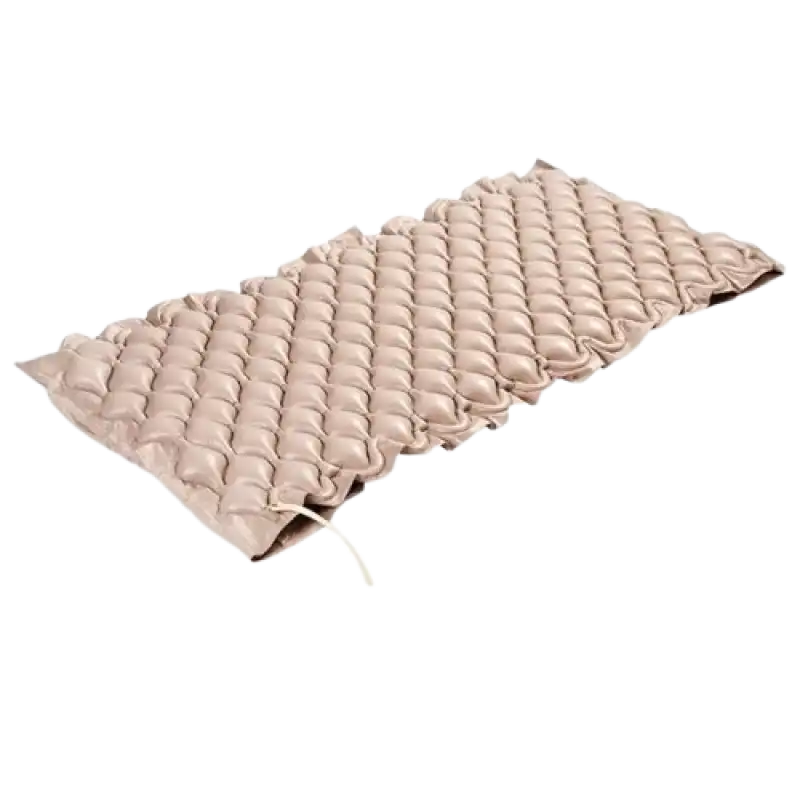
An air mattress is a medical-grade mattress that uses air-filled chambers to distribute body weight evenly across the surface. These chambers continuously adjust pressure points, reducing constant pressure on any one area of the body. Many air mattresses feature alternating pressure technology, which inflates and deflates different air cells in cycles to improve circulation and prevent bedsores. The firmness level can usually be adjusted using an electric pump, making it customizable based on patient comfort and condition. Air mattresses are widely used in hospitals and home care for patients at high risk of pressure ulcers.
What Is a Foam Mattress?
A foam mattress is made from memory foam, gel foam, or high-density polyurethane foam. These mattresses provide consistent, stable support and conform to the natural shape of the body. This helps maintain proper spinal alignment and evenly distributes weight without the need for mechanical components. Foam mattresses are low-maintenance, durable, and ready to use immediately. They are often recommended for patients who need firm, stable support and moderate pressure relief without complex setup or electrical dependence.
Air Mattress vs. Foam Mattress: Key Differences
| Feature | Air Mattress | Foam Mattress |
|---|---|---|
| Pressure Relief | Excellent – Alternating pressure prevents bedsores | Good – Consistent support reduces pressure points |
| Comfort Level | Adjustable firmness for personalized comfort | Soft, body-conforming feel |
| Durability | Long-lasting but requires pump maintenance | Highly durable with proper care |
| Temperature Control | Some models include cooling airflow | Can retain heat (gel foam reduces heat buildup) |
| Ease of Use | Requires electric pump for inflation | Ready to use, no external support needed |
| Best For | High-risk bedridden patients | Patients needing firm, stable support |
| Maintenance | Pump checks and air pressure monitoring | Simple cleaning and occasional rotation |
| Cost | Higher initial investment | More cost-effective option |
When Should You Choose an Air Mattress?
An air mattress is the ideal choice when the patient is completely bedridden for long durations and has limited movement. It is especially recommended if there is a high risk of developing bedsores or if the patient already shows early signs of pressure ulcers. The adjustable firmness makes it suitable for patients whose comfort needs change during recovery. Air mattresses are also beneficial for patients who require dynamic pressure redistribution to improve blood circulation and reduce localized pressure buildup. In post-surgery recovery or paralysis cases, air mattresses significantly reduce complications related to prolonged immobility.
When Should You Choose a Foam Mattress?
A foam mattress is better suited for patients who need firm, stable support to maintain proper spinal alignment. It is an excellent option for patients who can reposition themselves occasionally or have caregivers assisting with movement. Foam mattresses are ideal when low maintenance is a priority, as they do not require electrical components or regular pressure checks. They are also more cost-effective for long-term home use. If durability, simplicity, and consistent comfort are more important than advanced pressure relief, a foam mattress is the right choice.
Benefits of Using the Right Mattress for Patient Care
Choosing the correct mattress significantly improves patient comfort and health outcomes. It helps prevent painful pressure sores that can lead to infections and extended hospital stays. A supportive mattress promotes better blood circulation, which is essential for healing and reducing swelling. It also reduces joint pain, muscle stiffness, and overall fatigue for bedridden patients. For caregivers, the right mattress makes repositioning easier and minimizes physical strain. Most importantly, a good mattress improves sleep quality, which plays a major role in faster recovery and emotional well-being.
How to Maintain Your Mattress Properly
Air Mattress Maintenance
To keep an air mattress functioning effectively, it is important to check for air leaks regularly and ensure that the pump is working properly. The air pressure should be monitored and adjusted as needed to maintain consistent support. Clean the surface daily using antibacterial wipes or mild disinfectant to prevent infection. Avoid placing sharp objects near the mattress to prevent punctures. Always follow the manufacturer’s maintenance guidelines for long-term reliability.
Foam Mattress Maintenance
Foam mattresses require minimal maintenance but should still be cared for properly to extend their lifespan. Rotate the mattress every few months to prevent sagging and uneven wear. Use a waterproof mattress cover to protect against spills, sweat, and liquid damage. Clean the surface regularly using a vacuum and mild disinfectant spray. Allow the mattress to air out occasionally to prevent moisture buildup and odor.
Which Mattress Is Right for You?
Choose an Air Mattress if:
• The patient is fully bedridden
• There is a high risk of bedsores
• Adjustable firmness is required
• Dynamic pressure relief is a priority
Choose a Foam Mattress if:
• Firm and stable spinal support is needed
• The patient can reposition with assistance
• Low maintenance is preferred
• Cost-effectiveness is important
Conclusion
Choosing between an air mattress and a foam mattress depends entirely on the patient’s medical condition, mobility level, and long-term care needs. If pressure sore prevention and adjustable comfort are top priorities, an air mattress is the ideal choice. However, if consistent support, durability, and easy maintenance are more important, a foam mattress offers a reliable and affordable solution.
Still confused about which mattress is right for your loved one? Visit Aarogyaa Bharat to explore a wide range of medical mattresses designed specifically for patient care. The right mattress can make all the difference in ensuring comfort, dignity, and faster recovery.