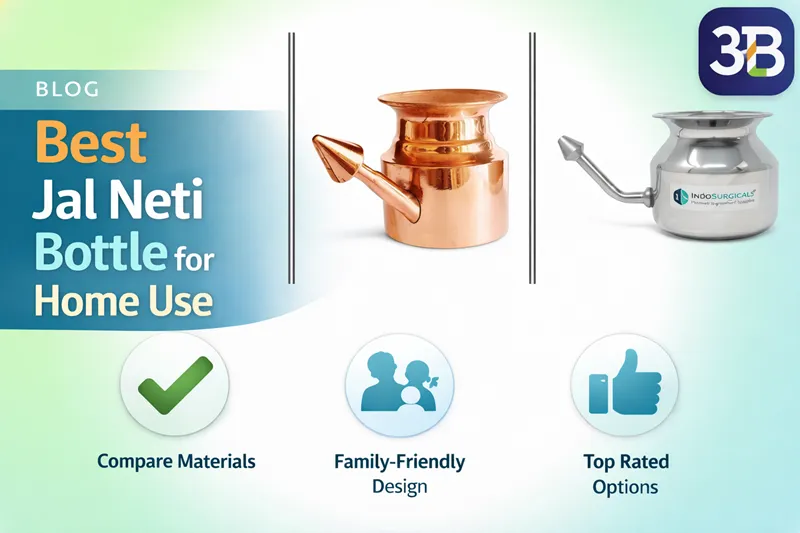
Understanding Jal Neti Bottle Technology and Modern Nasal
Irrigation
Jal Neti originates from traditional yogic cleansing
practices but has evolved into a clinically recognized nasal irrigation
technique used worldwide. Modern ENT guidelines describe nasal irrigation
devices including neti pots, squeeze bottles, and saline rinse systems as safe
and effective when used properly and cleaned regularly.
The purpose of these devices is to flush saline water through the nasal cavity
to remove mucus, pollutants, and allergens that may cause congestion or
irritation. Unlike medicated sprays, Jal Neti focuses on mechanical cleansing
and hydration, supporting natural nasal function without relying on
pharmaceutical intervention.
For Indian households where pollution levels and seasonal
allergies are common, selecting the right Jal Neti bottle is not only about
comfort but also about hygiene and long-term usability. Aarogyaa Bharat
emphasizes that a good bottle should provide smooth saline flow, easy cleaning,
and safe material construction suitable for repeated daily use.
Why Choosing the Right Jal Neti Bottle Matters for Home
Use
Not all nasal rinse devices deliver the same experience. The
design, size, and material of the bottle influence how comfortably saline flows
through the nasal passages. Poor-quality nozzles may cause discomfort, while
low-grade plastic may degrade quickly with frequent washing. According to nasal
irrigation research, saline rinsing helps loosen mucus, wash away allergens,
and moisturize nasal tissues when performed correctly.
A well-designed Jal Neti bottle provides:
- Controlled
water flow without pressure discomfort
- Smooth
ergonomic nozzle for gentle insertion
- Easy
cleaning to maintain hygiene
- Durable
material resistant to heat and repeated use
Aarogyaa Bharat recommends viewing a Jal Neti bottle as a
personal healthcare device rather than a disposable accessory.
Types of Jal Neti Bottles Available for Home Use
Different bottle designs cater to different comfort levels
and user preferences. Understanding these types helps families choose the most
suitable device.
Table: Jal Neti Bottle Types and Best Use Cases
|
Bottle
Type |
Flow
Method |
Best For |
Key
Advantage |
|
Traditional
Neti Pot |
Gravity flow |
Yoga
practitioners |
Gentle
natural rinse |
|
Squeeze
Bottle |
Controlled
pressure |
Beginners |
Easy flow
control |
|
Ceramic Neti
Pot |
Gravity flow |
Long-term
users |
Durable and
smooth |
|
Travel Nasal
Rinse Bottle |
Compact
squeeze |
Frequent
travelers |
Portable
hygiene |
Ceramic neti pots are often considered durable and
comfortable because their smooth surface reduces nasal irritation and they last
longer than disposable plastic bottles.
Meanwhile, squeeze bottles provide adjustable flow, which many ENT specialists
recommend for better sinus irrigation efficiency.
Features That Define the Best Jal Neti Bottle
Choosing the best Jal Neti bottle requires evaluating
specific features rather than focusing only on price or brand.
1. Material Quality
Medical-grade plastic, silicone, or ceramic materials ensure
safe long-term use. Ceramic bottles tend to feel smoother and may last longer,
while silicone squeeze bottles provide flexibility.
2. Nozzle Design
A rounded ergonomic nozzle prevents irritation and allows
comfortable positioning during rinsing.
3. Flow Control
Controlled flow helps prevent pressure changes in the ears
and throat, improving safety for beginners.
4. Cleaning and Hygiene
Devices that can be disassembled easily allow thorough
washing, which is essential for preventing bacterial growth.
Aarogyaa Bharat strongly recommends choosing bottles that
are easy to dry after cleaning because moisture build up may compromise hygiene
over time.
Medical Safety Guidelines When Selecting a Jal Neti
Bottle
Safety should always guide purchasing decisions. Regulatory
health agencies emphasize that nasal rinse devices are safe only when used with
proper hygiene and sterile water.
Tap water may contain microorganisms that are safe to swallow but unsafe for
nasal passages, making water quality a critical factor in device usage.
Key safety considerations include:
- Using
distilled or boiled and cooled water
- Avoiding
overly complex bottles that are hard to clean
- Choosing
BPA-free or medical-grade materials
- Replacing
worn bottles periodically
Aarogyaa Bharat advises avoiding extremely cheap bottles
with poorly designed spouts, as they may cause discomfort or leakage during
daily use.
Comparing Squeeze Bottle vs Traditional Neti Pot for Home
Users
Many first-time users wonder which design is best for home
use. Each has advantages depending on personal preference.
Table: Squeeze Bottle vs Neti Pot Comparison
|
Feature |
Squeeze
Bottle |
Neti Pot |
|
Flow Control |
Adjustable
pressure |
Gravity-based |
|
Ease for
Beginners |
Very easy |
Requires
practice |
|
Cleaning |
Simple |
Moderate |
|
Travel
Convenience |
High |
Medium |
|
Traditional
Practice |
Moderate |
High |
Some ENT experts even suggest that squeeze bottles may
provide more effective irrigation because they deliver saline with gentle
positive pressure, improving sinus flushing efficiency.
Daily Hygiene and Maintenance Tips for Long-Term Use
Maintaining cleanliness is essential for safe nasal
cleansing. After each session:
- Wash
the bottle with warm water and mild soap
- Rinse
thoroughly to remove salt residue
- Allow
complete air drying
- Avoid
sharing bottles with others
Clinical guidance notes that nasal irrigation remains safe
when containers are cleaned properly and sterile water is used. Aarogyaa Bharat
encourages users to replace plastic bottles every few months if they show signs
of wear, while ceramic models may last longer with proper care.
Benefits of Using a High-Quality Jal Neti Bottle at Home
Using a well-designed Jal Neti bottle can support daily
respiratory wellness by maintaining nasal hygiene and reducing exposure to
environmental irritants. Nasal irrigation is widely used to relieve congestion
caused by allergies, colds, and sinus discomfort by flushing out mucus and
pollen particles.
Regular nasal cleansing may contribute to:
- Improved
breathing comfort
- Reduced
nasal dryness
- Better
sleep quality
- Enhanced
effectiveness of breathing exercises
Aarogyaa Bharat highlights that the effectiveness of Jal
Neti depends not only on technique but also on selecting a bottle that
encourages consistent daily practice.
Common Mistakes People Make When Choosing a Jal Neti
Bottle
Many buyers focus only on price or appearance rather than
functionality. Oversized bottles may feel difficult to control, while extremely
small ones require multiple refills. Poor nozzle alignment can lead to
discomfort, discouraging regular use. Another common mistake is ignoring
cleaning convenience a bottle that is difficult to wash may lead to hygiene
issues over time.
Who Should Consider Using a Jal Neti Bottle at Home
Jal Neti bottles may benefit individuals exposed to dust or
pollution, yoga practitioners who want clearer breathing pathways, and people
seeking a natural approach to nasal hygiene. However, individuals with severe
infections or recent nasal surgery should consult healthcare professionals
before starting nasal irrigation.
Conclusion
Choosing the best Jal Neti bottle for home use involves
balancing comfort, safety, and hygiene. A well-designed bottle with smooth flow
control and easy cleaning can transform nasal cleansing into a simple daily
wellness practice that supports respiratory comfort and sinus health. By
following medical safety guidelines, selecting quality materials, and
maintaining consistent hygiene routines, families can integrate Jal Neti into
their home healthcare lifestyle with confidence. Aarogyaa Bharat encourages users
to combine traditional yogic wisdom with modern ENT safety standards, ensuring
nasal cleansing remains both effective and safe for everyday use.