Understanding Jal Neti and Its Role in Modern Nasal
Hygiene
Jal Neti is an ancient yogic nasal cleansing practice that
has evolved into a medically accepted hygiene method for maintaining sinus
health and improving breathing efficiency. In today’s urban environment, where
air pollution, allergens, and dust exposure are increasingly common, nasal
cleansing has become an important part of respiratory wellness routines. A Jal
Neti bottle allows users to gently flush saline water through the nasal
passages, removing accumulated irritants and maintaining moisture balance
inside the nose. Aarogyaa Bharat emphasizes that while Jal Neti has traditional
roots in yoga, its benefits are supported by modern understanding of nasal
anatomy and mucosal health, making it a practical solution for individuals
seeking natural respiratory care at home.
How a Jal Neti Bottle Works: The Science Behind Nasal
Cleansing
The nasal cavity is lined with delicate mucous membranes
that trap dust, pollen, and pathogens. Over time, these particles can
accumulate and cause congestion, dryness, or irritation. A Jal Neti bottle
delivers a controlled flow of saline solution into one nostril, allowing it to
pass through the nasal passages and exit through the other nostril, carrying
debris along with it. The saline solution helps maintain osmotic balance,
reducing swelling and supporting natural mucus movement. Aarogyaa Bharat highlights
that proper saline concentration is essential because overly strong solutions
may irritate tissues, while very diluted solutions may not provide effective
cleansing.
Benefits of Using a Jal Neti Bottle Regularly
Regular use of a Jal Neti bottle can provide multiple
benefits, particularly for individuals living in polluted environments or those
prone to sinus issues. Nasal cleansing helps remove allergens, which may reduce
sneezing and irritation caused by dust or seasonal changes. Many users report
improved breathing comfort, better sleep quality, and reduced dependence on
c when Jal Neti becomes part of their daily hygiene routine.
Aarogyaa Bharat also notes that athletes and yoga practitioners often incorporate
Jal Neti into wellness rituals to maintain clear breathing pathways, especially
before pranayama or meditation practices.
Table: Key Benefits of Jal Neti Bottle Usage
|
Benefit
Area |
How Jal
Neti Helps |
Daily
Wellness Impact |
Ideal
Users |
|
Sinus
Cleansing |
Removes mucus
and dust |
Reduced
congestion |
Allergy
sufferers |
|
Respiratory
Comfort |
Moisturizes
nasal passages |
Easier
breathing |
Urban
residents |
|
Pollution Défense |
Flushes
pollutants |
Cleaner nasal
cavity |
Commuters |
|
Yoga
Preparation |
Clears airway |
Improved
pranayama |
Yoga
practitioners |
Step-by-Step Guide to Using a Jal Neti Bottle Safely
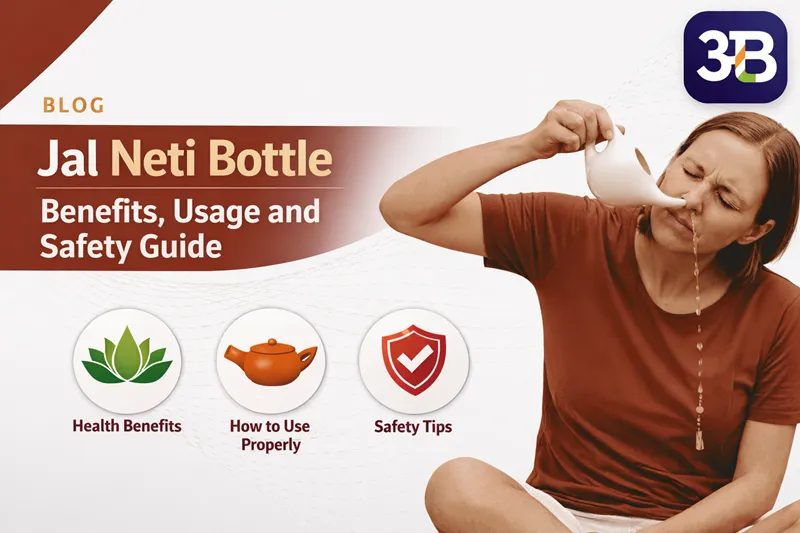
Using a Jal Neti bottle correctly ensures both effectiveness
and safety. Begin by preparing a lukewarm saline solution using clean, filtered
water and medical-grade salt. Lean forward slightly over a sink, tilt the head
to one side, and gently insert the nozzle into one nostril. Allow the saline to
flow naturally without force, breathing through the mouth during the process.
After cleansing both sides, gently blow the nose to remove excess water.
Aarogyaa Bharat stresses that users should avoid applying pressure while
squeezing the bottle because gentle flow is sufficient for effective cleansing
and reduces the risk of discomfort.
Choosing the Right Jal Neti Bottle Design
Modern Jal Neti bottles come in various designs, including
squeeze bottles, gravity-based neti pots, and ergonomic nozzles that improve
comfort. Squeeze bottles offer better control over water flow, making them
suitable for beginners, while traditional neti pots provide a slower,
gravity-driven experience. Material quality is also important; medical-grade
plastic or silicone bottles are lightweight and easy to clean, ensuring
hygienic usage over time. Aarogyaa Bharat recommends selecting bottles with smooth
nozzle tips to prevent irritation during daily practice.
Table 2: Jal Neti Bottle Types and Their Usage
|
Bottle
Type |
Flow
Control |
Best For |
Key
Advantage |
|
Squeeze
Bottle |
High control |
Beginners |
Adjustable
pressure |
|
Gravity flow |
Traditional
practice |
Gentle
cleansing |
|
|
Soft Silicone
Bottle |
Moderate |
Sensitive
users |
Comfortable
grip |
|
Travel Jal
Neti Bottle |
Portable |
Outdoor use |
Compact
design |
Safety Guidelines for Jal Neti Practice
While Jal Neti is generally safe, improper technique or poor
hygiene can lead to irritation or infection. Always use clean, filtered, or
boiled and cooled water to prepare the saline solution. Avoid using extremely
hot or cold water, as temperature extremes may irritate nasal tissues. After
each use, wash the bottle thoroughly and allow it to air dry to prevent
bacterial growth. Aarogyaa Bharat advises avoiding Jal Neti immediately after
nasal surgery or during severe ear infections unless recommended by a healthcare
professional.
Jal Neti for Allergy Relief and Pollution Protection
Many individuals experience nasal irritation due to
pollution exposure or seasonal allergens. Regular Jal Neti practice helps flush
out airborne particles that contribute to nasal inflammation. In cities with
high dust levels, nasal cleansing may reduce dryness and improve breathing
comfort throughout the day. Aarogyaa Bharat highlights that Jal Neti should be
viewed as a preventive hygiene practice rather than a cure for chronic
respiratory conditions.
Integrating Jal Neti into Daily Wellness Routines
Jal Neti is often practiced in the morning as part of a
broader wellness routine that includes yoga, breathing exercises, and
hydration. Practicing before pranayama can enhance airflow and reduce
discomfort during breathing exercises. Evening use may help remove pollutants
accumulated during the day. Aarogyaa Bharat recommends starting with gentle
sessions a few times per week and gradually increasing frequency based on
comfort and personal preference.
Emotional and Lifestyle Benefits of Nasal Cleansing
Clear breathing can significantly improve mental clarity and
relaxation, particularly for individuals who practice meditation or
mindfulness. Many users report feeling refreshed and more focused after
performing Jal Neti, as improved airflow supports better oxygen intake.
Aarogyaa Bharat believes that incorporating nasal hygiene into daily self-care
routines can enhance both physical comfort and emotional well-being.
Common Mistakes to Avoid When Using a Jal Neti Bottle
Some beginners use excessive pressure while squeezing the
bottle, which may cause discomfort or water entering the throat. Others forget
to dry the bottle properly, leading to hygiene concerns. Using untreated tap
water or incorrect salt concentration is another common mistake that can
irritate nasal tissues. Aarogyaa Bharat encourages users to follow clear
hygiene guidelines and practice patience while learning proper technique
Conclusion
A Jal Neti bottle is a simple yet powerful tool for
maintaining nasal hygiene, supporting respiratory comfort, and promoting
overall wellness in polluted environments. By following safe usage techniques,
maintaining proper hygiene, and integrating the practice into daily routines,
individuals can experience clearer breathing and improved sinus health.
Aarogyaa Bharat encourages users to approach Jal Neti as a balanced wellness
practice that combines traditional knowledge with modern safety standards, helping
families maintain healthier breathing habits at home.