Understanding Chest Physiotherapy Machines and Their Role
in Modern Home Healthcare
Chest physiotherapy machines are advanced respiratory
support devices developed to replicate traditional manual percussion therapy
through controlled mechanical vibrations that penetrate the chest wall and
stimulate airway clearance, making them a practical solution for patients who
require regular respiratory care at home. In Indian households where long-term
caregiving often happens within the family, these machines reduce dependence on
frequent hospital visits and allow therapy to be delivered consistently, which
is one of the most important factors in managing chronic lung diseases
effectively. The concept behind chest physiotherapy is simple yet powerful:
when mucus accumulates inside the lungs, it restricts airflow and creates an
environment where bacteria can grow, increasing the risk of infection and
breathing difficulty; vibration therapy helps break down these secretions so
that patients can cough them out more easily. Unlike manual therapy that
depends on caregiver strength and technique, modern machines provide steady,
adjustable intensity levels, ensuring every session is consistent and safe.
Over time, regular use may help improve oxygen exchange, reduce breathlessness,
and enhance patient comfort, particularly for elderly individuals, post-surgery
patients, or people recovering from respiratory infections. With India’s rising
awareness about home healthcare solutions, chest physiotherapy machines are
becoming a vital part of respiratory management alongside oxygen concentrators,
nebulizers, and mobility support equipment.
How Chest Vibration Therapy Helps Loosen Mucus and
Improve Breathing Efficiency
Chest vibration therapy works by creating rhythmic
oscillations that travel through lung tissues and help detach mucus from airway
walls, allowing it to move toward larger airways where it can be expelled
naturally through coughing or suction techniques. In many respiratory
conditions, mucus becomes thick and sticky, preventing effective breathing and
leading to persistent coughing or fatigue; vibration therapy helps change the
physical properties of mucus, making it easier to clear and reducing airway obstruction.
The mechanical pulses generated by these machines mimic the tapping motions
traditionally performed by physiotherapists, but they deliver more precise and
consistent frequencies that can be customized according to patient comfort and
clinical requirements. Regular sessions not only support mucus clearance but
also encourage deeper breathing, which helps expand lung capacity and prevent
complications like atelectasis or lung collapse. Patients often notice gradual
improvements in breathing ease and reduced chest congestion when therapy is
used alongside hydration, breathing exercises, and medical treatment plans. For
caregivers, the biggest advantage is the ability to provide professional-level
therapy without advanced training, ensuring that even households managing
complex medical conditions can maintain effective respiratory hygiene.
Who Should Use a Chest Physiotherapy Machine at Home and
When It Becomes Essential
Chest physiotherapy machines are commonly recommended for
patients with chronic respiratory disorders such as COPD, bronchiectasis,
cystic fibrosis, or severe asthma, but they are also increasingly used for
post-operative lung care, elderly respiratory support, and neurological
conditions that weaken coughing ability. Individuals recovering from pneumonia
or prolonged bed rest often experience mucus retention due to reduced mobility,
making physiotherapy an important part of rehabilitation to restore normal
breathing patterns. Pediatric patients with certain pulmonary conditions may
also benefit from gentle vibration therapy under medical supervision, as it
helps maintain airway clearance without causing excessive strain. In home ICU
environments, where patients may rely on oxygen therapy or ventilatory
assistance, regular chest physiotherapy plays a crucial role in preventing
mucus plugs and maintaining airway patency. Families caring for long-term
patients frequently discover that early adoption of physiotherapy machines
reduces emergency hospital visits because congestion is managed before it
becomes severe. However, it is important to consult a healthcare professional
before starting therapy, especially for patients with fragile bones, cardiac
instability, or recent thoracic surgery, as intensity settings and therapy
duration must be tailored to individual health conditions.
Table: Medical Conditions Where Chest Physiotherapy
Machines Are Most Beneficial
|
Condition |
Therapy
Benefit |
Home Care
Advantage |
|
COPD |
Reduces mucus
blockage and breathlessness |
Supports
daily airway clearance |
|
Bronchiectasis |
Prevents
secretion buildup |
Reduces
infection risk |
|
Pneumonia
Recovery |
Helps remove
residual congestion |
Speeds
healing process |
|
Post-Surgery
Lung Care |
Encourages
lung expansion |
Prevents
complications |
|
Neurological
Disorders |
Assists weak
coughing ability |
Improves
breathing comfort |
Important Features to Consider Before Buying a Chest
Physiotherapy Machine for Home Use
Choosing the right chest physiotherapy machine involves
evaluating several technical and practical factors that directly affect patient
comfort, therapy effectiveness, and long-term usability within a home setting.
Adjustable vibration intensity is one of the most important features because
patients with different conditions require different levels of therapy; a
device that offers multiple speed settings allows gradual progression without
causing discomfort. Portability is another key consideration, especially for
families who need to move equipment between rooms or carry it during travel,
and lightweight handheld models often provide flexibility for daily use. Noise
level is frequently overlooked but plays a significant role in patient
acceptance, as quieter machines allow therapy sessions during rest periods
without causing stress or disturbance. Advanced devices may include ergonomic
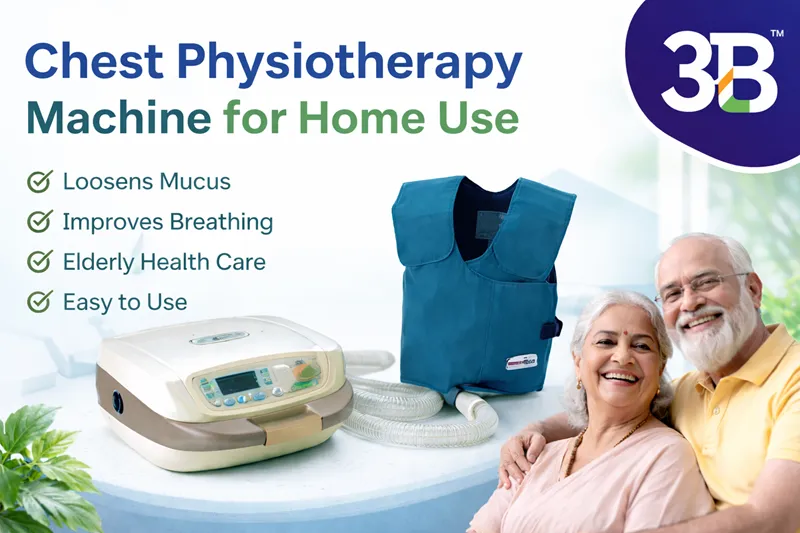
designs, digital control panels, or wearable vests that distribute vibration
evenly across the chest area, providing more comprehensive airway clearance
compared to basic handheld percussion systems. Durability and after-sales
support are equally important, particularly in India where long-term equipment
reliability matters for families managing chronic illnesses; choosing a trusted
platform like Aarogyaa Bharat ensures access to quality-checked machines along
with installation guidance and responsive customer assistance.
Table: Comparison Between Basic and Advanced Chest
Physiotherapy Machines
|
Feature |
Basic
Chest Physiotherapy Machine |
Advanced
Chest Physiotherapy Machine |
|
Vibration
Settings |
Limited speed
options |
Multiple
programmable modes |
|
Therapy
Coverage |
Localized
therapy |
Full chest
vibration systems |
|
Noise Level |
Moderate
sound |
Low-noise
motor technology |
|
Ease of Use |
Simple manual
controls |
Digital
interface with presets |
|
Ideal Use
Case |
Short-term
recovery |
Long-term
respiratory care |
Benefits of Using a Chest Physiotherapy Machine at Home
Instead of Visiting Hospitals Frequently
Home-based chest physiotherapy offers significant advantages
for both patients and caregivers by making respiratory therapy more accessible,
consistent, and less stressful compared to regular hospital visits. Patients
with chronic lung conditions often require therapy sessions multiple times a
week, which can be physically exhausting and financially burdensome when
performed in clinical settings; having a dedicated machine at home allows
therapy to be integrated into daily routines without logistical challenges.
Consistency is one of the biggest benefits, as regular airway clearance reduces
the likelihood of severe congestion and improves overall lung health over time.
For elderly individuals or patients with limited mobility, home therapy
eliminates the strain of transportation and exposure to crowded medical
environments, creating a safer and more comfortable healing space. Families
also gain confidence in managing respiratory care independently, which fosters
a sense of control and reduces anxiety associated with unpredictable health
episodes. Over months of consistent use, many households report improved
breathing patterns, fewer emergency visits, and enhanced patient independence,
making chest physiotherapy machines a valuable long-term investment in respiratory
wellness.
Safe Usage Practices and Maintenance Tips for Long-Term
Home Therapy
Using a chest physiotherapy machine safely requires
attention to proper technique, session timing, and routine maintenance to
ensure both effectiveness and patient comfort. Therapy should ideally be
performed when the patient is in an upright or semi-upright position, as this
allows gravity to assist mucus movement and maximizes lung expansion during
vibration. Starting with low intensity levels and gradually increasing based on
tolerance helps prevent discomfort and allows the body to adapt to therapy gradually.
Hydration plays a crucial role because well-hydrated mucus is easier to loosen
and clear, making therapy sessions more productive. Caregivers should regularly
clean the device according to manufacturer guidelines, especially contact
surfaces, to prevent bacterial buildup and maintain hygiene standards.
Monitoring patient response is equally important; if symptoms like dizziness,
chest pain, or unusual fatigue occur, therapy should be paused and medical
advice sought. In India’s diverse climate conditions, storing the machine in a
dry, dust-free environment helps extend its lifespan and maintain consistent
performance, ensuring reliable respiratory support for years to come.
Why Aarogyaa Bharat Promotes Chest Physiotherapy Machines
as a Key Part of Home Respiratory Care
Aarogyaa Bharat believes that accessible medical technology can empower families to deliver high-quality healthcare within the comfort of their homes, and chest physiotherapy machines perfectly align with this vision by bringing professional airway clearance therapy directly to patients. With increasing air pollution levels, aging populations, and a growing need for long-term respiratory management in India, home-based solutions are becoming more relevant than ever. By offering carefully selected physiotherapy machines that balance safety, durability, and ease of use, Aarogyaa Bharat aims to reduce the gap between hospital care and home recovery, allowing patients to maintain lung health without constant clinical dependency. These machines complement other respiratory devices such as oxygen concentrators and nebulizers, creating a comprehensive home healthcare ecosystem that supports long-term wellness. Families choosing Aarogyaa Bharat benefit from expert guidance, reliable support, and equipment designed to meet real-world caregiving challenges, ensuring that respiratory therapy remains effective, convenient, and patient-centred.