In Indian homes, where space constraints, tiled floors,
and bathroom layouts already increase fall risk, selecting the wrong commode
chair can lead to accidents, injuries, emotional distress, and even
hospitalisation. At Aarogyaa Bharat, we frequently see families replacing
poorly chosen commode chairs within weeks because the original purchase failed
to meet real-world needs. Understanding common mistakes before buying a commode
chair can prevent unnecessary stress, financial loss, and health risks.
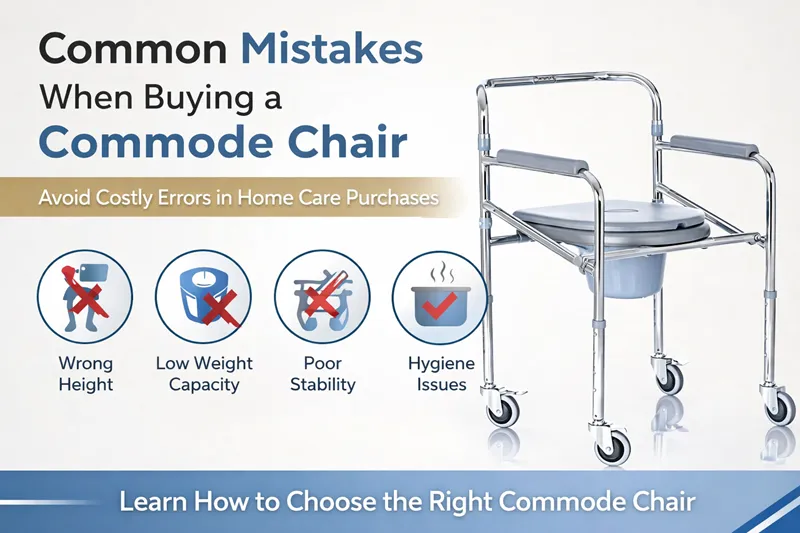
Mistake One: Choosing Price Over Safety and Build Quality
One of the most common mistakes families make is choosing a
commode chair based primarily on price rather than safety and construction
quality. Low-cost commode chairs often use thin metal frames, weak joints,
unstable leg designs, and low-quality plastic components that may not withstand
daily use. While these products may look similar to higher-quality models, they
often wobble, bend, or loosen over time, especially when used by elderly or
heavier patients. In toileting, even slight instability can cause fear,
imbalance, or falls. A commode chair is not a decorative item but a
load-bearing safety device, and compromising on build quality to save money can
lead to much higher medical expenses later.
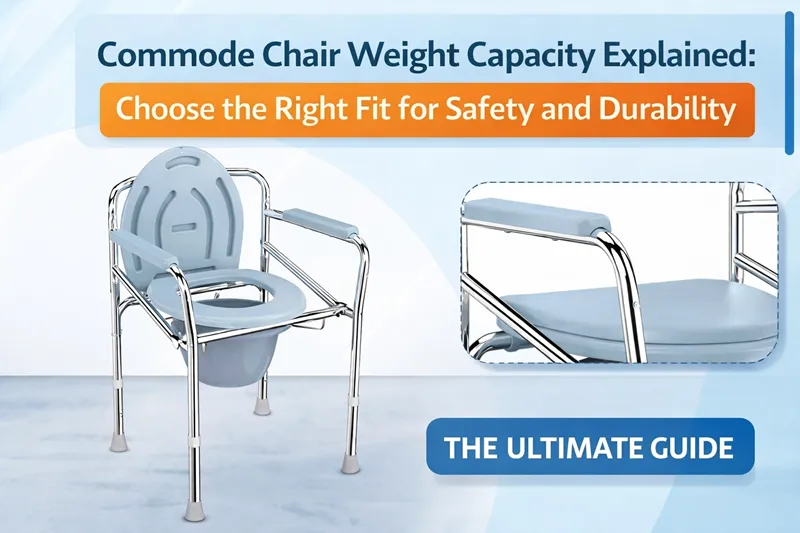
Mistake Two: Ignoring the Patient’s Weight Capacity
Requirements
Many buyers overlook the importance of checking the weight
capacity of a commode chair, assuming that all chairs support similar loads.
This is a dangerous misconception. Standard commode chairs are designed for
average body weight and may fail or become unstable when used by overweight or
obese patients. Exceeding the recommended weight capacity stresses the frame,
armrests, and legs, increasing the risk of sudden collapse during transfers. At
Aarogyaa Bharat, we strongly advise families to choose a commode chair with a
weight rating that comfortably exceeds the patient’s current weight, ensuring
long-term safety and confidence during use.
Mistake Three: Selecting the Wrong Chair Height
Improper chair height is one of the most underestimated
issues when buying a commode chair. A chair that is too low forces excessive
bending of the knees and hips, causing pain and instability, while a chair that
is too high makes sitting and standing difficult. Many buyers do not measure
bed height or consider the patient’s leg length before purchasing. This leads
to unsafe transfers, joint strain, and fear of falling. Adjustable height is
essential for proper posture and smooth movement, especially for elderly
individuals, arthritis patients, and post-surgery users.
Mistake Four: Overlooking the Importance of Armrests
Some families choose commode chairs without armrests to save
space or cost, not realising that arm support is critical for safe transfers.
Armrests allow users to push themselves up using upper body strength, reducing
pressure on weak or painful legs. Without armrests, patients must rely entirely
on lower limbs, which increases fall risk and discourages independent use. For
stroke patients, arthritis sufferers, and elderly users, armrests are not
optional features but essential safety components.
Mistake Five: Buying Bulky Chairs for Small Indian Homes
Indian homes, particularly apartments, often have limited
bedroom space, narrow passages, and tight furniture layouts. A common mistake
is buying large, hospital-style commode chairs without considering room size
and placement. Bulky chairs can block walkways, restrict caregiver movement,
and make daily routines uncomfortable. In some cases, families stop using the
chair altogether because it disrupts the living space. Compact, space-efficient
designs are far more suitable for Indian homes and should always be
prioritised.
Mistake Six: Ignoring Night-Time Toileting Needs
Many buyers focus only on daytime use and overlook
night-time toileting requirements, which are actually when most accidents
occur. Night-time trips to the bathroom involve poor lighting, drowsiness,
urgency, and reduced balance. A commode chair placed near the bed significantly
reduces night-time fall risk, but only if it is designed and positioned
correctly. Buying a chair without considering bedside placement, quiet
movement, and easy access at night is a major oversight that compromises
safety.
Mistake Seven: Not Considering the Patient’s Medical
Condition
Different medical conditions require different commode chair
features. Arthritis patients need higher seats and strong armrests, paralysis
patients need extra stability, obese patients require reinforced frames and
wider seats, and post-surgery patients need controlled movement support. A
common mistake is buying a generic commode chair without matching it to the
patient’s specific condition. This leads to discomfort, improper posture, and
reduced usability. At Aarogyaa Bharat, we emphasise condition-specific
selection rather than one-size-fits-all solutions.
Mistake Eight: Underestimating Hygiene and Cleaning Needs
Hygiene is a critical factor in commode chair use,
especially in small homes where living and sleeping spaces are close together.
Many buyers do not evaluate how easy it is to remove, clean, and refit the
waste bucket. Poorly designed buckets can leak, cause odour issues, or be
difficult for caregivers to handle. Smooth surfaces, secure bucket fitting, and
easy cleaning should be non-negotiable features when selecting a commode chair.
Mistake Nine: Ignoring Floor Surface Compatibility
Indian homes commonly use tiled flooring, which can become
slippery due to water or cleaning products. A major mistake is buying a commode
chair with poor-quality or worn-out rubber feet that do not grip the floor
properly. Even slight sliding during sitting or standing can cause panic and
falls. Anti-slip feet and stable leg design are essential for safe use on
Indian floors and should always be checked before purchase.
Mistake Ten: Assuming Short-Term Use When Long-Term Care
Is Needed
Many families buy commode chairs assuming they will be used
only for a few weeks, only to discover that recovery or mobility issues last
much longer. Choosing a low-quality or uncomfortable chair for short-term use
often leads to replacement costs and inconvenience. Investing in a durable,
comfortable commode chair from the beginning is more cost-effective and ensures
consistent safety throughout extended home care.
Mistake Eleven: Not Involving Caregivers in the Buying
Decision
Caregivers are the ones who assist with transfers, cleaning,
and positioning, yet they are often excluded from the purchase decision. This
leads to chairs that are difficult to move, adjust, or maintain.
Caregiver-friendly features such as lightweight frames, easy height adjustment,
and simple bucket removal make daily care far easier. Ignoring caregiver needs
increases physical strain and burnout.
Mistake Twelve: Buying Without Professional Guidance
One of the biggest mistakes is purchasing a commode chair
without proper guidance from a knowledgeable provider. Online images and
descriptions often fail to show real-world usability, stability, or comfort. At
Aarogyaa Bharat, we guide families through condition-based selection, home
layout considerations, and safety checks to ensure the chair truly fits the
patient’s needs. Expert guidance prevents costly mistakes and improves
long-term satisfaction.
Comparison Table: Right Choice vs Common Buying Mistakes
|
Aspect |
Correct
Buying Approach |
Common
Mistake |
|
Build quality |
Strong,
reinforced frame |
Thin,
unstable frame |
|
Weight
capacity |
Exceeds
patient weight |
Ignored or
exceeded |
|
Height |
Adjustable
and measured |
Fixed or
incorrect |
|
Arm support |
Strong
armrests |
No armrests |
|
Home fit |
Compact,
space-efficient |
Bulky,
obstructive |
|
Hygiene |
Easy-clean
bucket |
Poor cleaning
access |
|
Safety |
Anti-slip
feet |
Sliding on
tiles |
Why Aarogyaa Bharat Educates Buyers Before Selling
Aarogyaa Bharat believes that the right medical equipment
can prevent injuries, preserve dignity, and reduce caregiver stress, but only
if chosen correctly. Our approach focuses on education first, ensuring families
understand the real-world implications of their purchase. By addressing common
mistakes proactively, we help families invest in safer, more reliable home-care
solutions that deliver long-term value rather than short-term fixes.
Conclusion
Buying a commode chair is not a minor decision; it is a critical investment in safety, comfort, and dignity for patients and caregivers alike. The most common mistakes focusing on price, ignoring weight capacity, choosing incorrect height, overlooking hygiene, and failing to consider home layout can turn a helpful product into a daily hazard. In Indian homes, where environmental factors already increase risk, these mistakes carry even greater consequences. By understanding and avoiding these errors, families can make informed decisions that protect their loved ones and simplify caregiving. Aarogyaa Bharat remains committed to guiding families toward reliable, well-designed commode chairs that truly meet medical and practical needs, ensuring safer, more dignified home care every single day.