When a loved one is struggling to breathe, every liter of
oxygen becomes critical, and selecting a machine that cannot meet their medical
needs can lead to serious complications. On the other hand, buying an
unnecessarily large machine can create financial, maintenance, and
power-consumption challenges. At Aarogyaa
Bharat – Live Healthy, Live Better, we have helped thousands of Indian
families navigate this exact decision with compassion, medical accuracy, and
real-world practicality. This complete guide explains everything you need to
know clearly, patiently, and step-by-step so you can make a confident,
medically sound choice for home oxygen therapy.
What Does Oxygen Concentrator Capacity (LPM) Actually
Mean?
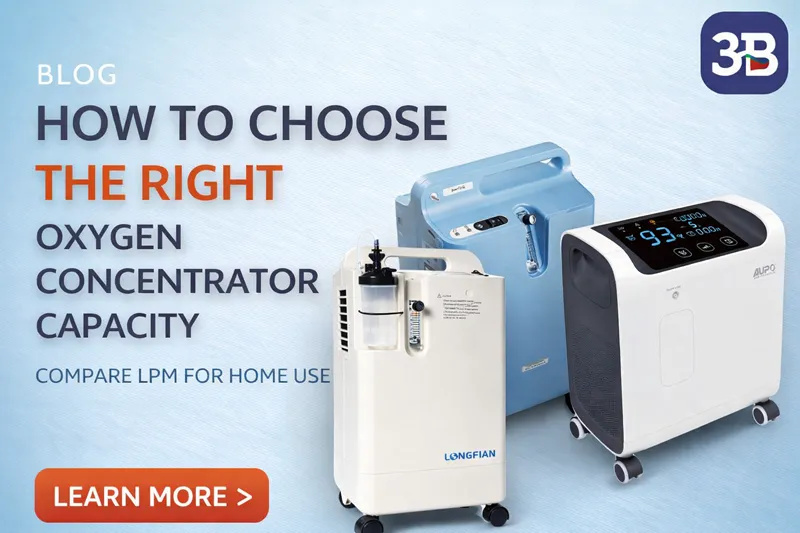
Oxygen
concentrator capacity is measured in liters per minute (LPM),
which simply means how much oxygen the machine can deliver every minute when it
is running at full power. For example, a 3 LPM concentrator can deliver up to 3
liters of oxygen per minute, while a 5 LPM concentrator can deliver up to 5
liters per minute. However, capacity is not just about output volume it also
determines whether the oxygen purity stays above safe medical levels, whether
the machine can operate continuously without overheating, and whether the
patient receives stable oxygen during both rest and activity. Choosing the
correct LPM ensures that the patient’s body receives enough oxygen without
overworking the machine or causing unnecessary discomfort.
Why Choosing the Right Oxygen Capacity Is So Critical
Selecting the wrong oxygen
concentrator capacity can have serious health and safety consequences,
especially for elderly patients, post-COVID survivors, and people with chronic
lung diseases. If the capacity is too low, oxygen purity can drop at higher
flow rates, leading to breathlessness, fatigue, slower recovery, and increased
heart strain. Patients may feel restless, weak, and anxious because their body
is not getting enough oxygen to support vital organs. If the capacity is too
high, the machine becomes heavier, noisier, more expensive, and consumes
significantly more electricity, even though most of its power is never actually
used. The goal is not to buy the biggest machine available but to choose
a right-sized oxygen concentrator that matches medical needs,
comfort, and long-term safety.
Understanding Your Doctor’s Oxygen Prescription
Before purchasing any oxygen concentrator, it is essential
to carefully review the doctor’s oxygen prescription, which usually specifies
the required flow rate (for example, 2 LPM or 4 LPM), the duration of oxygen
use (continuous or intermittent), the delivery method (nasal cannula, simple
mask, or non-rebreather mask), and the target oxygen saturation level (SpO₂).
This prescription is based on medical tests, lung function, and overall health
condition. A golden rule followed by most pulmonologists is to choose a
concentrator that can deliver 1–2 LPM more than the current
prescription, allowing flexibility for night-time needs, physical activity,
temporary worsening, and future disease progression.
Common Oxygen Concentrator Capacities Explained
1–3 LPM Oxygen Concentrators
These low-capacity concentrators are best suited for
patients with mild breathing difficulties, short-term recovery needs, or
elderly individuals who require minimal oxygen support. They are often used for
post-surgery recovery, minor respiratory infections, or night-time oxygen
therapy when oxygen levels drop slightly during sleep. While these machines are
compact, energy-efficient, and affordable, they are not suitable for COPD
patients, post-COVID lung damage, or long-term oxygen therapy. Oxygen purity may
drop when the machine is pushed close to its maximum output, making them
unreliable for moderate or severe respiratory conditions.
5 LPM Oxygen Concentrators (Most Recommended for Home
Use)
A 5
LPM oxygen concentrator is the most commonly recommended choice for
home oxygen therapy in India because it covers nearly 80–85% of all household
medical needs. It is ideal for COPD patients, post-COVID recovery, elderly
respiratory support, moderate breathlessness, and long-term oxygen therapy.
These machines maintain high oxygen purity (90–96%), support both nasal cannula
and simple masks, and are designed for continuous 24/7 operation. They are also
more affordable, compact, quieter, and easier to maintain compared to high-capacity
units. For most families, a 5 LPM concentrator offers the perfect balance
of safety, performance, and future readiness.
10 LPM Oxygen Concentrators
A 10 LPM oxygen concentrator is designed for patients with
severe respiratory conditions such as advanced COPD, pulmonary fibrosis,
ICU-level home care needs, or those requiring high-flow oxygen therapy. These
machines are capable of supporting non-rebreather masks and even dual-patient
usage in emergency situations. However, they are significantly heavier,
bulkier, noisier, and more expensive than 5 LPM units. They also consume more
electricity and require a stable power supply, voltage stabilizer, and strong
after-sales service support. A doctor’s prescription is mandatory before
purchasing a 10 LPM concentrator, as it is not intended for routine home use.
Capacity Selection Based on Medical Condition
COPD (Chronic Obstructive Pulmonary Disease)
COPD patients typically require 1–4 LPM of oxygen depending
on disease severity, activity level, and oxygen saturation levels. A 5 LPM
concentrator is strongly recommended because it provides enough headroom to
increase flow during flare-ups, night-time use, or physical exertion. It also
maintains stable oxygen purity at higher flow rates, making it suitable for
long-term continuous oxygen therapy. Choosing a smaller machine often leads to
purity drops, increased breathlessness, and frequent hospital visits.
Post-COVID Recovery
Post-COVID patients often experience persistent
breathlessness, lung inflammation, and reduced oxygen diffusion capacity,
requiring 2–5 LPM of oxygen support. A
5 LPM concentrator is the safest choice because it allows flexible
flow adjustment as the lungs heal over time. It also supports night-time oxygen
therapy, which is critical because oxygen demand increases during sleep. Using
a lower-capacity machine can slow recovery, increase fatigue, and worsen
anxiety in post-COVID patients.
Severe Lung Disease / Pulmonary Fibrosis
Patients with severe lung disease or fibrosis may require
sustained oxygen flow of 5–8 LPM, especially during physical activity or sleep.
In such cases, a 10 LPM oxygen concentrator is necessary to prevent oxygen
starvation and maintain safe saturation levels. These patients often require
non-rebreather masks or high-flow nasal cannulas, which smaller machines cannot
support reliably. Doctor supervision is essential for safe long-term therapy.
Elderly Patients with Low Oxygen Saturation
Elderly individuals often experience reduced lung efficiency
due to aging, heart conditions, or minor respiratory disorders, typically
requiring 1–3 LPM of oxygen. A 3–5 LPM concentrator is recommended because it
provides enough flexibility for both rest and exertion needs. It also ensures
safety if oxygen requirements increase temporarily due to infections, weakness,
or sleep-related breathing issues.
Heart Patients with Hypoxemia
Patients with heart disease who suffer from low oxygen
saturation often need 2–4 LPM of oxygen to reduce heart strain and improve
circulation. A
5 LPM concentrator is ideal because it prevents oxygen dips during
sleep, supports physical activity, and allows stable long-term therapy.
Inadequate oxygen delivery can worsen cardiac symptoms and increase
hospitalization risk.
Night-Time Oxygen Needs: Why Capacity Must Be Higher
Oxygen demand naturally increases during sleep due to
shallow breathing, reduced lung expansion, relaxed airway muscles, and lower
respiratory drive. A concentrator that barely meets daytime needs may fail to
maintain oxygen saturation overnight, leading to restlessness, poor sleep
quality, headaches, and worsening breathlessness in the morning. A 5 LPM
machine is the minimum recommendation for night-time oxygen therapy because it
ensures stable oxygen flow, low noise operation, and consistent oxygen purity.
Always choose a concentrator that can run continuously without overheating or
performance drops.
Oxygen Purity: The Hidden Capacity Factor Most Buyers
Ignore
Many low-quality machines claim high capacity but fail to
maintain medical-grade oxygen purity at full flow. A reliable concentrator must
deliver oxygen purity of at least 90% even when running at maximum
capacity. Low-purity oxygen can worsen breathlessness, slow recovery, increase
fatigue, and put additional strain on the heart and lungs. Always verify purity
certification, brand reliability, and real-world performance at full capacity
before purchasing any concentrator.
5 LPM vs 10 LPM: Which One Is Right for You?
A
5 LPM concentrator is suitable for most home oxygen users, including
COPD patients, post-COVID recovery, and elderly care, while a 10 LPM
concentrator is reserved for severe medical cases and ICU-level home care. The
5 LPM unit is more affordable, compact, quieter, and easier to maintain,
whereas the 10 LPM unit is heavier, more expensive, noisier, and consumes more
power. In 80–85% of home-care scenarios, a 5 LPM concentrator is more than
sufficient and far more practical.
Power Backup Planning: A Critical Step in India
Since oxygen concentrators run on electricity, power backup
planning is essential, especially in Indian cities where power cuts are common.
Always ensure you have an inverter or UPS system, a voltage stabilizer, and a
small oxygen cylinder as emergency backup. A sudden power failure during oxygen
therapy can be life-threatening, particularly for elderly and severely ill
patients. Proper backup planning ensures uninterrupted oxygen support and peace
of mind for caregivers.
Common Buying Mistakes Families Must Avoid
Many families make costly and dangerous mistakes when buying
oxygen concentrators, such as choosing the cheapest model without purity
certification, buying a 10 LPM unit without doctor advice, ignoring service
availability in their city, and failing to plan power backup. Others
underestimate future oxygen needs or purchase portable concentrators for
long-term home ICU care, which leads to performance issues and safety risks.
Avoiding these mistakes ensures safer, smoother, and more effective home oxygen
therapy.
When Should You Upgrade Your Oxygen Concentrator
Capacity?
You may need to upgrade your concentrator capacity if oxygen
saturation drops even at maximum flow, breathlessness increases, your doctor
revises the oxygen prescription, or the machine fails to maintain purity.
Upgrading is also recommended if the patient becomes more active, requires
night-time therapy, or transitions to long-term oxygen support. Timely upgrades
prevent emergencies and improve overall recovery outcomes.
Why Choose Aarogyaa Bharat for Oxygen Concentrators?
At Aarogyaa
Bharat, we go beyond just selling equipment. We provide doctor-guided model
selection, genuine medical-grade concentrators, rental and purchase options,
pan-India delivery, installation support, after-sales service, and emergency
oxygen solutions. Our transparent pricing, compassionate care team, and deep
understanding of Indian home-care realities make us one of the most trusted
names in home medical equipment.
Conclusion
Choosing the right oxygen concentrator capacity is not about buying the biggest machine it is about matching medical needs, safety, comfort, and long-term reliability. For most families, a 5 LPM concentrator is the safest and most versatile choice, while a 10 LPM concentrator should only be used for severe medical cases. Always follow your doctor’s prescription, plan for night-time and future needs, choose purity-certified machines, and never compromise on safety. At Aarogyaa Bharat, we believe the right oxygen capacity does not just support breathing it supports life, dignity, and recovery.