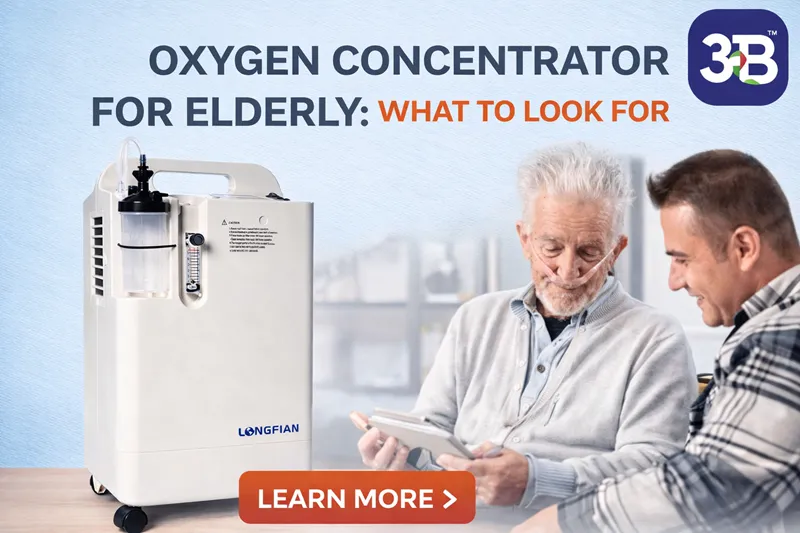
An oxygen concentrator is often the most practical and safest way to deliver oxygen therapy to elderly patients at home. However, not all oxygen concentrators are suitable for senior citizens. Choosing the wrong device can lead to discomfort, safety risks, and ineffective therapy.
At Aarogyaa Bharat, we regularly assist families in selecting the right oxygen concentrator for elderly loved ones. This comprehensive guide explains what to look for in an oxygen concentrator for elderly patients, helping families make informed, compassionate, and medically sound decisions.
Why Elderly Patients Often Need Oxygen Therapy
With advancing age, lung elasticity reduces, respiratory muscles weaken, and the body’s ability to efficiently exchange oxygen declines. In addition, elderly individuals are more likely to suffer from chronic conditions that further compromise oxygen levels.
Common reasons elderly patients require oxygen therapy include:
- Chronic Obstructive Pulmonary Disease (COPD)
- Age-related respiratory insufficiency
- Heart failure with low oxygen saturation
- Post-COVID lung damage
- Asthma or bronchitis complications
- Reduced mobility leading to shallow breathing
- Long-term bedridden conditions
Oxygen therapy helps maintain adequate blood oxygen levels, reduces strain on the heart, improves sleep quality, and enhances overall comfort and quality of life for elderly patients.
Why an Oxygen Concentrator Is Better Than an Oxygen Cylinder for Elderly Care
For elderly patients, safety, reliability, and ease of use are more important than portability or short-term convenience. Oxygen concentrators are generally preferred over oxygen cylinders for long-term home care because they provide a continuous supply of oxygen without the need for frequent refills.
Unlike cylinders, oxygen concentrators:
- Do not store oxygen under high pressure
- Are safer for indoor use
- Eliminate the stress of refilling logistics
- Provide consistent oxygen delivery
- Are easier for caregivers to manage
For most elderly patients requiring daily oxygen therapy, a concentrator is the more suitable and dependable choice.
Key Factors to Look for in an Oxygen Concentrator for Elderly Patients
1. Oxygen Flow Capacity (LPM)
One of the most important considerations is the oxygen flow capacity, measured in litres per minute (LPM). Most elderly patients require low to moderate oxygen flow, typically between 1 and 3 LPM.
A 5 LPM oxygen concentrator is usually ideal for elderly home care because:
- It comfortably covers common oxygen needs
- It allows flexibility if oxygen demand increases temporarily
- It operates efficiently without being overworked
Higher-capacity machines should only be chosen if prescribed by a doctor.
2. Continuous Flow Oxygen Delivery
Elderly patients often need oxygen for extended periods, including during sleep. A concentrator that provides continuous flow oxygen is essential for stable and uninterrupted therapy.
Pulse-dose or portable concentrators may not deliver consistent oxygen during shallow breathing or sleep, making them less suitable for most elderly patients unless specifically advised by a doctor.
3. Ease of Operation and Controls
An oxygen concentrator for elderly use should be simple and intuitive. Complex digital menus or small buttons can be confusing for senior citizens.
Look for:
- Clear flow meter visibility
- Simple on/off operation
- Easy-to-adjust flow knob
- Audible alarms for power failure or low oxygen purity
User-friendly design reduces anxiety and dependence on caregivers.
4. Noise Level and Comfort
Many elderly patients use oxygen therapy for long hours or overnight. A noisy machine can disturb sleep and increase stress.
Choose a concentrator with:
- Low operating noise
- Smooth airflow
- Minimal vibration
A quiet device supports better rest, which is critical for elderly recovery and well-being.
5. Safety Features
Safety is non-negotiable when it comes to elderly care. A good oxygen concentrator should include:
-
Power failure alarms
-
Low oxygen purity alarms
-
Overheating protection
-
Stable wheels or anti-tilt design
These features provide reassurance to both patients and caregivers, especially in home environments.
6. Mobility Within the Home
While elderly patients may not travel frequently, room-to-room mobility is often required. A concentrator with smooth caster wheels allows easy movement without lifting, reducing caregiver strain and fall risk.
The device should be stable, easy to reposition, and suitable for typical Indian home layouts.
7. Oxygen Purity and Reliability
Medical-grade oxygen concentrators should consistently deliver oxygen with 90–95% purity. Reliable oxygen purity ensures the therapy remains effective and prevents complications associated with inadequate oxygen delivery.
Always choose a trusted brand and supplier that meets medical standards and offers proper quality assurance.
8. Power Consumption and Backup Planning
Since concentrators run on electricity, power reliability is an important consideration. While most modern concentrators are energy-efficient, families should plan for:
-
Inverter or UPS support
-
Backup oxygen cylinder for emergencies
At Aarogyaa Bharat, we often recommend keeping a small oxygen cylinder as backup for power outages.
9. Maintenance and Service Support
Elderly care equipment should be easy to maintain. Regular filter cleaning and basic upkeep should not require technical expertise.
Additionally, choose a provider that offers:
-
Reliable after-sales support
-
Spare parts availability
-
Clear maintenance guidance
Prompt service support ensures uninterrupted therapy.
Doctor’s Prescription Matters
Oxygen is a medical therapy, not a lifestyle product. Using an oxygen concentrator without proper medical guidance can be harmful, especially for elderly patients with conditions like COPD.
A doctor’s prescription should determine:
-
Oxygen flow rate
-
Duration of daily use
-
Continuous vs intermittent therapy
-
Need for humidification
-
Backup oxygen requirements
Always consult a healthcare professional before starting oxygen therapy.
Common Mistakes Families Make When Buying Oxygen Concentrators for Elderly
-
Choosing portable concentrators for long-term elderly use
-
Buying higher LPM machines without medical advice
-
Ignoring noise levels
-
Overlooking safety alarms
-
Not planning for power backup
-
Focusing only on price instead of suitability
Avoiding these mistakes ensures safer and more effective oxygen therapy.
Conclusion
Selecting an oxygen concentrator for an elderly loved one is not just about specifications it is about comfort, dignity, safety, and peace of mind. The right device supports better breathing, reduces caregiver stress, and allows elderly patients to live more comfortably at home.
At Aarogyaa Bharat – Live Healthy, Live Better, we are committed to helping families make informed healthcare decisions rooted in medical understanding and real-world home-care experience.
If you need expert guidance in choosing the right oxygen concentrator for elderly care, our team is always here to help.