Introduction
When a patient requires medical equipment for recovery,
rehabilitation, elderly care, or long-term healthcare support, one important
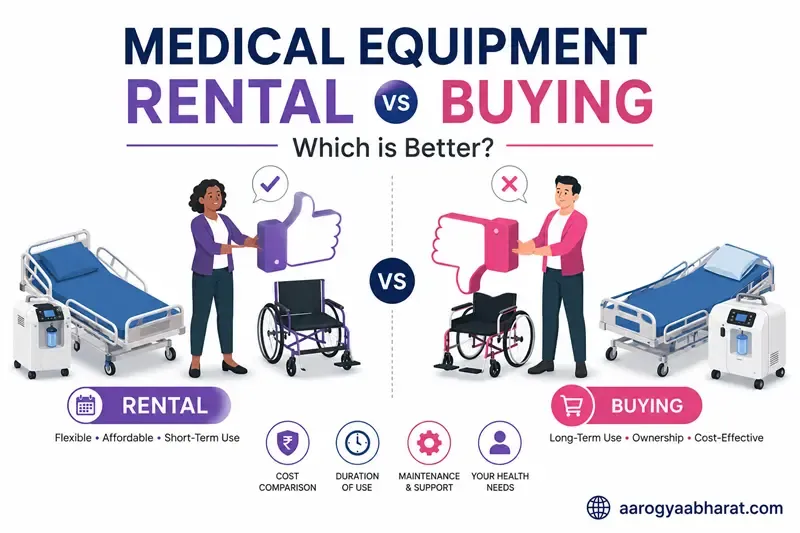
question often arises: should you rent the equipment or buy it? Both options
have advantages depending on the duration of use, budget, and healthcare
requirements. Understanding the differences between renting and buying can help
families make a cost-effective and practical decision. Today, many people
choose Medical Equipment on Rent to avoid large upfront expenses while
still accessing quality healthcare solutions.
Quick Answer: Should You Rent or Buy Medical Equipment?
If medical equipment is needed for a few days, weeks, or
months, renting is usually the more affordable option. However, if the
equipment will be used regularly for several years, purchasing may provide
better long-term value. The right choice depends on the patient's condition,
recovery period, and overall healthcare needs.
When Medical Equipment Rental Is the Better Choice
Medical equipment rental is ideal for temporary healthcare
needs. Patients recovering from surgery, fractures, injuries, or
hospitalization often require support for a limited period. Renting allows
access to premium healthcare devices without the financial burden of ownership.
Many families rent Hospital Bed for Home Care, Wheelchair for
Patients, and Oxygen Concentrator solutions during recovery and
return them once they are no longer required.
Benefits of Renting Medical Equipment
Renting offers flexibility, affordability, and convenience.
Patients can access high-quality healthcare devices without making a
significant investment. Maintenance, servicing, and equipment replacement are
often handled by the rental provider. Many users also appreciate the ability to
upgrade equipment if their healthcare needs change. This makes rental services
an attractive option for short-term recovery and home healthcare support.
When Buying Medical Equipment Makes Sense
Purchasing medical equipment may be the better option when
long-term or permanent use is expected. Individuals with chronic health
conditions, mobility limitations, or ongoing respiratory needs may find
ownership more economical over time. Buying equipment also provides
unrestricted access without recurring rental fees. Many families invest in Home
Healthcare Products when they expect consistent long-term use.
Benefits of Buying Medical Equipment
Owning medical equipment offers complete control and
long-term availability. Patients can use the equipment whenever needed without
worrying about rental renewals. Ownership may also be cost-effective if the
equipment will be used daily for several years. Additionally, purchased
equipment can be customized according to individual preferences and healthcare
requirements.
Rental vs Buying Comparison
|
Factor |
Renting |
Buying |
|
Initial Cost |
Low |
High |
|
Maintenance |
Usually Included |
Owner Responsibility |
|
Flexibility |
High |
Limited |
|
Best for Temporary Use |
Excellent |
Not Ideal |
|
Best for Long-Term Use |
Moderate |
Excellent |
|
Equipment Upgrades |
Easy |
Additional Cost |
|
Storage After Use |
Not Required |
Required |
This comparison shows why many families choose rentals for
short-term healthcare needs while opting to purchase equipment for permanent
use.
Which Medical Equipment Is Commonly Rented?
Several healthcare products are frequently rented because
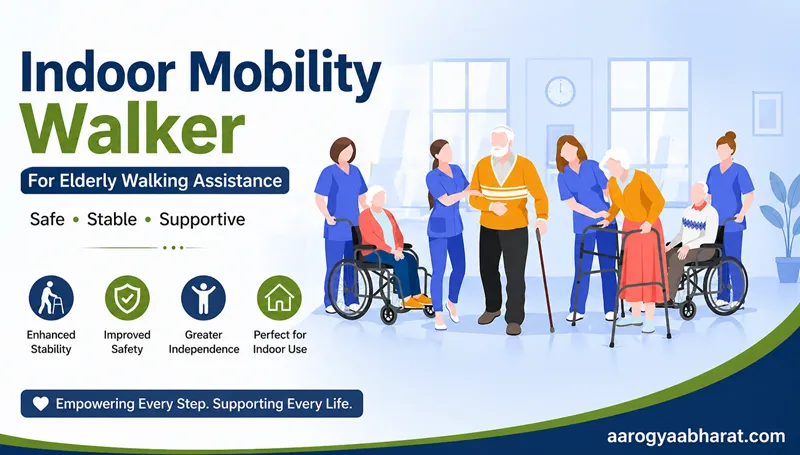
they are often required only temporarily. Popular rental options include Commode
Chair, Walking Walker for Elderly, Mobility Aids, Rehabilitation
Equipment, and Patient Care Equipment. Renting these products allows
families to manage healthcare costs more effectively while ensuring patients
receive proper support.
Cost Considerations
Cost is one of the most important factors when deciding
between renting and buying. A rented hospital bed, wheelchair, or oxygen
concentrator can significantly reduce healthcare expenses when used for a short
duration. Purchasing may be justified only when long-term daily use is
anticipated. Evaluating the expected duration of use can help determine the
most economical choice.
How to Decide What Is Right for You
Before making a decision, consider the patient's recovery
timeline, medical condition, budget, and future healthcare requirements. If the
need is temporary, rental services provide flexibility and affordability. If
the equipment will be required indefinitely, ownership may offer better value.
Consulting healthcare professionals can also help identify the most suitable
solution.
Conclusion
Both renting and buying medical equipment have their
advantages. Renting is generally the best choice for temporary healthcare
needs, post-surgery recovery, rehabilitation, and short-term patient care.
Buying becomes more practical when equipment will be used consistently over an
extended period. The key is choosing the option that provides the right balance
of affordability, convenience, and healthcare support.
Aarogyaa Bharat offers trusted Medical Equipment on Rent, mobility aids, respiratory care devices, and healthcare solutions designed to improve patient comfort and recovery. Whether you choose to rent or buy, selecting the right equipment is essential for better healthcare outcomes.
Explore Related Blogs
- How
Much Does Medical Equipment Rental Cost in Pune
- What
Medical Equipment Can I Rent for Short-Term Use
- Can I Rent a Wheelchair Instead of Buying One