These long-term effects, often referred to as post-COVID syndrome or long COVID, can significantly impact daily life, especially in elderly individuals and those with pre-existing respiratory or cardiac conditions. One of the most common and concerning post-COVID complications is persistent low oxygen levels (hypoxemia). Even patients who had mild COVID-19 may experience reduced lung efficiency, making it harder for the body to absorb enough oxygen. In such cases, home oxygen therapy becomes a vital part of recovery. Among all available oxygen delivery systems, oxygen concentrators are widely considered the safest, most practical, and most cost-effective option for post-COVID home care. At Aarogyaa Bharat, we have supported thousands of families during and after the COVID-19 crisis. This detailed guide explains everything you need to know about using an oxygen concentrator for post-COVID recovery, including who needs it, how it helps, what features to look for, and how to use it safely at home.
Understanding Post-COVID Breathing Problems
COVID-19 primarily affects the respiratory system. Even after the virus is cleared from the body, many patients are left with:
- Inflammation in lung tissues
- Scarring or fibrosis in severe cases
- Reduced oxygen diffusion capacity
- Weak respiratory muscles
- Persistent cough and breathlessness
These changes can cause oxygen saturation levels to remain below normal for weeks or months. When the lungs cannot efficiently absorb oxygen, the heart and other organs have to work harder, slowing recovery and increasing fatigue.
Common symptoms that may indicate the need for oxygen therapy include:
- Shortness of breath even at rest
- Rapid breathing or chest tightness
- Oxygen saturation below 94%
- Severe fatigue with minimal activity
- Blue or pale lips and fingertips
- Dizziness or confusion
- Poor sleep quality due to breathlessness
If these symptoms persist, doctors often recommend supplemental oxygen at home to support lung healing and reduce stress on the body.
Why Oxygen Therapy Helps in Post-COVID Recovery
Oxygen therapy is not just a temporary support it plays an active role in helping the lungs and body recover after COVID-19.
Oxygen therapy helps by:
- Improving oxygen delivery to damaged lung tissues
- Reducing breathlessness and chest discomfort
- Enhancing physical stamina and mobility
- Supporting heart function
- Improving sleep quality
- Preventing further lung strain
- Reducing the risk of hospital readmission
For many post-COVID patients, especially elderly individuals or those with diabetes, asthma, or heart disease, oxygen therapy becomes an essential bridge between hospital discharge and full recovery.
Why an Oxygen Concentrator Is Ideal for Post-COVID Home Care
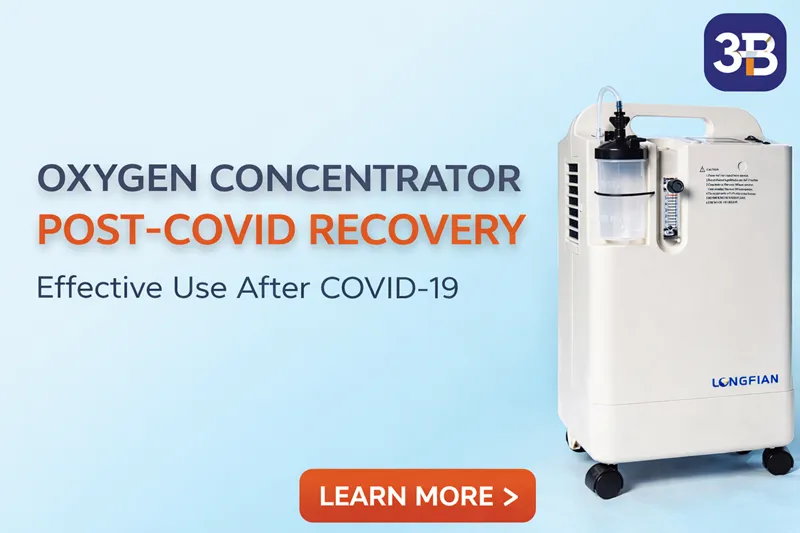
When it comes to long-term or extended home oxygen therapy, oxygen concentrators are usually a better option than oxygen cylinders.
Unlike cylinders that store compressed oxygen, concentrators generate oxygen continuously from room air. This makes them more reliable, safer, and easier to manage for families caring for post-COVID patients.
Key Advantages of Oxygen Concentrators for Post-COVID Patients
-
Unlimited Oxygen Supply
No refilling required, as long as electricity is available. -
Improved Safety
No high-pressure oxygen storage, reducing fire and explosion risk. -
Lower Long-Term Cost
No recurring refill expenses. -
Ease of Use
Simple controls suitable for elderly and weak patients. -
Continuous Flow Delivery
Ideal for long therapy sessions and overnight use.
For most post-COVID patients requiring oxygen support for weeks or months, oxygen concentrators offer peace of mind and consistent medical support.
Who Needs an Oxygen Concentrator After COVID-19?
Not every COVID-19 survivor requires oxygen therapy. However, certain groups are more likely to benefit from a concentrator during recovery.
Oxygen concentrators are commonly recommended for:
- Patients with persistent low SpO₂ (below 94%)
- Elderly COVID-19 survivors
- Patients with post-COVID lung fibrosis
- Those experiencing breathlessness at rest
- Individuals with COPD or asthma worsened by COVID-19
- Patients recovering from ICU or ventilator support
- People with heart conditions and reduced oxygen tolerance
A doctor’s evaluation should always determine whether oxygen therapy is needed and at what flow rate.
What to Look for in an Oxygen Concentrator for Post-COVID Recovery
Choosing the right oxygen concentrator is critical for effective and safe recovery.
Here are the most important factors to consider.
1. Oxygen Flow Capacity (LPM)
Oxygen flow is measured in litres per minute (LPM). Most post-COVID patients require 1–5 LPM, depending on lung damage severity and activity level.
A 5 LPM oxygen concentrator is usually ideal for home-based post-COVID recovery because:
- It covers most prescribed oxygen needs
- It allows flexibility if oxygen demand increases temporarily
- It operates efficiently without overheating
- It is widely available with service support
Higher-capacity machines (8–10 LPM) should only be used if prescribed by a pulmonologist.
2. Continuous Flow Oxygen Delivery
Post-COVID patients often need oxygen for extended periods, especially during:
- Sleep
- Physical exertion
- Rest and recovery periods
Pulse-dose portable concentrators are generally not suitable for most post-COVID patients unless specifically recommended by a doctor.
3. Oxygen Purity and Consistency
Medical-grade concentrators should deliver 90–95% oxygen purity consistently.
Stable oxygen purity is essential for post-COVID recovery because:
- Inconsistent oxygen slows lung healing
- Low purity worsens breathlessness
- Poor oxygen delivery increases heart strain
Always choose a concentrator from a trusted supplier that meets medical quality standards.
4. Noise Level and Comfort
Post-COVID patients often feel anxious, fatigued, and sensitive to noise.
Choose a concentrator that offers:
- Quiet motor operation
- Low vibration
- Smooth airflow
A quiet device supports better sleep, mental comfort, and long-term therapy compliance.
5. Safety Features
Safety is critical for weakened post-COVID patients and home caregivers.
Look for a concentrator that includes:
- Power failure alarm
- Low oxygen purity alarm
- Overheating protection
- Flow obstruction alert
- Stable caster wheels
These features protect both the patient and caregiver from emergencies.
6. Ease of Use for Weak or Elderly Patients
Many post-COVID patients are physically weak and mentally exhausted.
A suitable concentrator should have:
- Simple on/off operation
- Easy-to-read flow meter
- Clear indicator lights
- Minimal buttons and menus
User-friendly design reduces stress and dependence on caregivers.
7. Power Backup Planning
Since concentrators run on electricity, power reliability is essential in Indian homes.
Always plan for:
- Inverter or UPS support
- Backup oxygen cylinder
- Proper voltage stabilizer
8. Maintenance and Service Support
Post-COVID patients rely on uninterrupted oxygen therapy.
Choose a supplier that offers:
- Prompt servicing
- Spare parts availability
- Clear maintenance instructions
- Warranty support
Regular filter cleaning and basic upkeep should be caregiver-friendly.
How to Use an Oxygen Concentrator Safely at Home
Using an oxygen concentrator incorrectly can be harmful.
Follow these safety guidelines:
- Use only the flow rate prescribed by a doctor
- Keep the device in a well-ventilated area
- Do not place near open flames or heat sources
- Avoid smoking near the concentrator
- Clean filters regularly
- Use distilled water in the humidifier
- Monitor oxygen levels using a pulse oximeter
Always consult a doctor if symptoms worsen or oxygen needs increase.
Common Mistakes Families Make During Post-COVID Oxygen Therapy
- Starting oxygen therapy without medical advice
- Using higher LPM than prescribed
- Buying portable concentrators for long-term recovery
- Ignoring power backup planning
- Skipping maintenance
- Focusing only on price instead of reliability
Avoiding these mistakes ensures safer and more effective recovery.
Conclusion
Post-COVID recovery is not just about time it is about supporting the body’s healing process with the right medical tools. For patients experiencing prolonged breathlessness and low oxygen levels, an oxygen concentrator becomes a lifeline that enables safe recovery at home.
Choosing the right concentrator helps patients breathe easier, sleep better, move more confidently, and regain their quality of life.
At Aarogyaa Bharat – Live Healthy, Live Better, we are committed to helping families make informed, medically sound decisions rooted in compassion and real-world home-care experience.
If you need expert guidance in choosing the right oxygen concentrator for post-COVID recovery, our team is always here to help.