



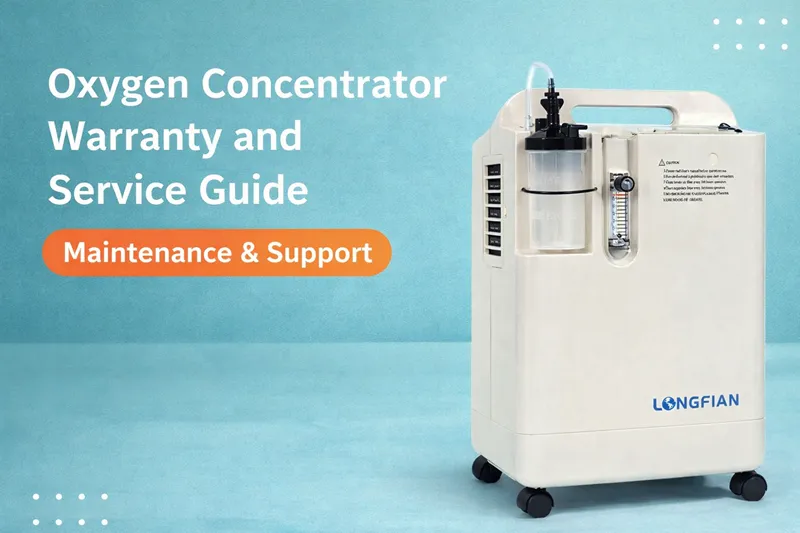
Unlike televisions,
refrigerators, or air conditioners that operate intermittently, concentrators
are mission-critical medical systems that must perform reliably at all times
without fail.
This is why warranty coverage and professional service
support are not optional extras but essential ownership pillars that directly
determine patient safety, long-term operating cost, and emotional peace of mind
for families. Unfortunately, many buyers focus entirely on upfront price, brand
marketing, or flow rate capacity and only realize the importance of warranty
and service when the machine breaks down during a critical therapy session. At
that point, delays in repair, unclear warranty clauses, lack of spare parts, or
unresponsive service teams can transform a manageable technical issue into a
dangerous medical emergency that threatens patient health.
In India, where power fluctuations, dust levels, humidity,
and infrastructure variability are common, oxygen concentrators face even
harsher operating conditions than in controlled Western environments. This
makes understanding how warranties work, what they actually cover, how long
they last, what voids them, how service networks operate in real-world
conditions, and how to plan long-term maintenance costs absolutely essential
for every buyer and caregiver. This comprehensive guide by Aarogyaa Bharat explains
everything you need to know about oxygen concentrator warranties and service
support, including warranty types, coverage scope, exclusions, extended
warranty options, servicing frequency, maintenance responsibilities, spare part
economics, downtime risk planning, red flags when choosing a seller, and how to
build a long-term ownership strategy that ensures uninterrupted oxygen therapy
for years.
Why Warranty and Service Support Matter More Than You
Think
Oxygen concentrators are complex electro-medical devices
that integrate compressors, molecular sieve beds, electronic control boards,
oxygen sensors, cooling fans, air filtration systems, and precision valves into
a single unit that must operate continuously with high reliability and minimal
performance drift. Unlike occasional-use household appliances, concentrators
are expected to deliver consistent oxygen purity day and night, often under
dusty, humid, or high-temperature home conditions that accelerate mechanical
wear and electrical degradation.
Over time, internal components such as compressors, sieve
beds, solenoid valves, cooling fans, pressure regulators, and circuit boards
inevitably degrade due to heat buildup, vibration, airflow friction, and
voltage fluctuations. Even the highest-quality concentrator will eventually
require professional servicing, part replacement, recalibration, and
performance testing to maintain safe oxygen output levels. Without warranty
protection and a dependable service network, these routine failures can become extremely
expensive, unpredictable, and disruptive to patient care.
For patients who depend on continuous oxygen therapy, even a
few hours of machine downtime can be life-threatening. Missed oxygen therapy
can trigger hypoxemia, heart strain, confusion, breathlessness, and emergency
hospital admissions. This makes rapid service response, easy spare part
availability, and clear warranty coverage critical factors that directly affect
patient survival, not just financial cost. A strong warranty and service
ecosystem transforms an oxygen concentrator from a risky hardware purchase into
a reliable long-term healthcare solution that protects both health outcomes and
household finances.
What Is an Oxygen Concentrator Warranty
An oxygen concentrator warranty is a formal contractual
guarantee provided by the manufacturer or authorized distributor that covers
the cost of repairing or replacing defective parts within a specified time
period under normal usage conditions. It functions as a financial and
operational insurance policy against manufacturing defects, premature component
failure, and quality-related malfunctions that occur despite proper use and
routine maintenance.
Most reputable concentrator brands offer standard warranties
ranging from one to three years, depending on the model, component type, price
segment, and intended usage intensity. Premium international brands may provide
longer coverage for major components such as compressors and sieve beds while
offering shorter coverage for accessories such as tubing, external filters,
humidifier bottles, and cannulas.
A warranty typically covers the cost of spare parts and, in
many cases, labor charges for repairs performed by authorized service centers
or certified technicians. However, warranty coverage is never unlimited, and
its scope is strictly defined by legal terms and service conditions that buyers
must understand before purchase to avoid unpleasant surprises when a breakdown
occurs.
Types of Warranty Coverage You Should Know
Not all oxygen concentrator warranties are the same, and
understanding the different coverage models used in the market helps buyers
make more informed decisions.
Standard Manufacturer Warranty
This is the basic warranty included with the purchase of the
concentrator and usually lasts between one and three years. It covers
manufacturing defects, faulty internal components, and premature mechanical or
electrical failure under normal operating conditions. It typically includes
free replacement of defective parts and free labor at authorized service
centers.
Component-Specific Warranty
Some manufacturers offer different warranty durations for
different parts of the machine. For example, the compressor may be covered for
three years, sieve beds for two years, and electronic control boards for one
year. Accessories such as filters, tubing, cannulas, and humidifier bottles are
often excluded or covered for very short periods. Buyers should always request
a written component-wise warranty breakdown.
Extended Warranty
Extended warranties are optional add-on plans that extend
coverage beyond the standard warranty period, usually by one to three
additional years. These plans may cover major components and sometimes include
free annual servicing. For long-term oxygen users, extended warranties provide
predictable maintenance costs and significantly reduce financial risk.
On-Site Service Warranty
Certain premium brands and authorized distributors offer
on-site service warranties where technicians visit the patient’s home for
repairs instead of requiring machine transport to a service centre. This is
extremely valuable for bedridden patients, elderly users, and families living
far from service hubs, as it minimizes therapy disruption and logistical
stress.
What Is Typically Covered Under Warranty
Although coverage varies by brand, most oxygen concentrator
warranties include the following components and failures:
Manufacturing defects in internal components such as
compressors, oxygen sensors, circuit boards, cooling fans, solenoid valves,
power supplies, pressure regulators, and internal wiring. Premature failure of
molecular sieve beds that causes oxygen purity to drop below acceptable medical
standards. Malfunctioning control panels, digital displays, and alarm systems.
Defective electrical circuits, transformers, and power modules.
Warranty repairs are usually performed free of charge at
authorized service centers or through on-site technician visits depending on
the service policy. Replacement parts used during warranty repairs are
typically genuine manufacturer-approved components.
What Is Usually NOT Covered Under Warranty
Understanding exclusions is just as important as
understanding coverage, because most warranty disputes arise from
misunderstandings about what is not included.
Damage caused by improper usage, such as operating the
machine without proper ventilation, blocking air vents, or running it in
extreme heat or humidity. Electrical damage caused by voltage fluctuations,
lightning strikes, power surges, or using improper extension cords and
adapters. Failure resulting from lack of regular maintenance, such as not
cleaning filters, ignoring alarm warnings, or skipping scheduled servicing.
Physical damage caused by drops, water exposure, accidental impact, or
unauthorized modifications. Wear-and-tear items such as air filters, tubing,
nasal cannulas, humidifier bottles, and external casings. Repairs performed by
unauthorized technicians or service centers.
Violating any of these conditions can void your warranty
instantly, leaving you fully responsible for all repair costs and future
service eligibility.
How to Register and Activate Your Warranty
Many buyers assume that warranty coverage begins
automatically, but in reality, most manufacturers require formal warranty
registration to activate coverage.
This usually involves filling out an online registration
form or submitting a physical warranty card with details such as the machine’s
serial number, purchase date, dealer name, installation address, and customer
contact information. Some brands also require uploading a copy of the purchase
invoice as proof of authenticity and purchase source.
Failure to complete warranty registration within the
specified time window, often fifteen to thirty days from purchase, can result
in partial or complete loss of coverage. Buyers should always request
confirmation of successful registration and keep both digital and physical
copies of warranty documents safely stored for future reference.
How Often Should an Oxygen Concentrator Be Serviced
Regular servicing is not just about preserving warranty
validity; it is essential for maintaining oxygen purity, airflow stability, and
patient safety.
Most manufacturers recommend professional servicing every
six to twelve months depending on usage intensity, environmental conditions,
and machine model. Heavy-use patients who run the machine for more than twelve
hours per day may require more frequent servicing.
Routine servicing typically includes internal filter
replacement, airflow calibration, oxygen purity testing, electrical safety
checks, cooling fan inspection, compressor pressure testing, sensor
recalibration, and general performance optimization. Skipping scheduled
servicing not only degrades machine performance but can also void warranty
coverage in many cases.
What Happens When Your Warranty Expires
Once your warranty period ends, all repair and servicing
costs become the owner’s responsibility. This is where long-term cost planning
becomes critical.
Out-of-warranty repairs for major components such as
compressors, sieve beds, oxygen sensors, or electronic control boards can be
expensive, sometimes costing up to forty to sixty percent of the original
machine price. Without extended warranty protection, a single major breakdown
can financially justify replacing the entire concentrator instead of repairing
it.
This is why many long-term oxygen users opt for extended
warranty plans or annual maintenance contracts that lock in predictable service
costs and reduce financial risk. Proactive cost planning ensures that financial
constraints never interrupt life-saving oxygen therapy.
Red Flags When Buying an Oxygen Concentrator
Not all sellers offer genuine warranty and service support,
and buyers should be cautious of certain warning signs.
Unusually low prices compared to market rates often indicate
grey-market imports or refurbished units with no valid manufacturer warranty.
Sellers who cannot clearly explain warranty terms, service locations, spare
part pricing, or response timelines should be avoided. Lack of written warranty
documentation or invoice details is a major red flag. Absence of a local
service centre or customer support hotline indicates poor after-sales
reliability. Sellers unwilling to demonstrate warranty registration procedures
should not be trusted.
Buying from an authorized dealer like Aarogyaa Bharat
ensures genuine products, valid warranty coverage, transparent service terms,
and reliable spare part availability.
Oxygen Concentrator Warranty and Service Comparison Table
|
Feature |
Basic
Brand Warranty |
Extended
Warranty Plan |
No
Warranty / Grey Market |
|
Coverage
Duration |
1–3 years |
2–5 years
total |
None |
|
Major
Component Protection |
Yes |
Yes |
No |
|
On-Site
Service |
Limited |
Often
included |
No |
|
Spare Part
Availability |
High |
High |
Uncertain |
|
Repair Cost
During Coverage |
Free or
minimal |
Free or
minimal |
Full cost |
|
Long-Term
Cost Risk |
Moderate |
Low |
Very high |
|
Downtime Risk |
Moderate |
Low |
Very high |
|
Patient
Safety Reliability |
High |
Very high |
Low |
|
Resale Value |
Moderate |
High |
Very low |
Long-Term Ownership Strategy for Oxygen Concentrator
Users
Long-term oxygen users should treat concentrator ownership
as a medical asset management process rather than a one-time purchase.
This includes scheduling routine servicing, maintaining a
service history log, investing in extended warranty coverage, keeping spare
filters and tubing in stock, using voltage stabilizers or UPS systems, and
maintaining a backup oxygen source for emergencies. Proactive ownership
planning dramatically reduces therapy interruptions, repair emergencies, and
financial shocks.
Families should also plan for machine replacement timelines,
as most concentrators have an effective lifespan of five to seven years under
heavy use. Budgeting for eventual replacement ensures smooth transition without
therapy disruption.
Why Aarogyaa Bharat Emphasizes Warranty and Service
Reliability
At Aarogyaa Bharat, we believe that buying an oxygen
concentrator is a healthcare decision, not just a retail purchase. This is why
we only supply concentrators from authorized manufacturers with valid warranty
coverage, transparent service terms, and dependable spare part availability.
We guide families through warranty registration, explain
service schedules, help choose extended warranty plans when appropriate, and
coordinate service visits when breakdowns occur. Our focus is on ensuring that
oxygen therapy remains uninterrupted, affordable, and stress-free throughout
the entire lifespan of the machine.
Our mission is to provide not just devices, but long-term
breathing security for every patient we serve.
Conclusion
An oxygen concentrator warranty and service plan is not a
minor paperwork detail; it is a critical safety net that protects both patient
health and family finances over years of continuous use. The right warranty
coverage ensures that unexpected breakdowns do not turn into medical
emergencies, while dependable service support guarantees consistent oxygen
purity and machine reliability.
Choosing a concentrator with strong warranty protection,
easy spare part access, and a responsive service network is just as important
as choosing one with the right flow rate or noise level.
With expert guidance, proper maintenance planning, and reliable after-sales support, oxygen concentrator ownership can be safe, predictable, and worry-free.





