Introduction
Breathing is life, and for millions of people living with respiratory disorders, every breath can feel like a struggle. Conditions such as chronic obstructive pulmonary disease (COPD), asthma, pneumonia, pulmonary fibrosis, heart failure, and post-COVID complications often reduce the body’s ability to absorb enough oxygen from the air. When oxygen levels drop, it affects not just the lungs but also the brain, heart, muscles, and overall energy levels, leading to fatigue, confusion, breathlessness, and serious long-term health risks.
Oxygen concentrators have emerged as a reliable, life-supporting solution for patients who require supplemental oxygen therapy at home, in hospitals, or while traveling. Unlike traditional oxygen cylinders that store a limited amount of compressed oxygen and require frequent refilling, concentrators generate oxygen continuously from room air. This makes them more convenient, cost-effective, and dependable for long-term care.
Whether it is for managing chronic illnesses like COPD and asthma, supporting recovery after major surgery, assisting patients with sleep-related breathing disorders, or stabilizing oxygen levels in COVID-19 and pneumonia cases, oxygen concentrators play a vital role in modern respiratory care. At Aarogyaa Bharat, we believe that access to the right oxygen therapy equipment should be simple, safe, and stress-free for every family.
What Is an Oxygen Concentrator?
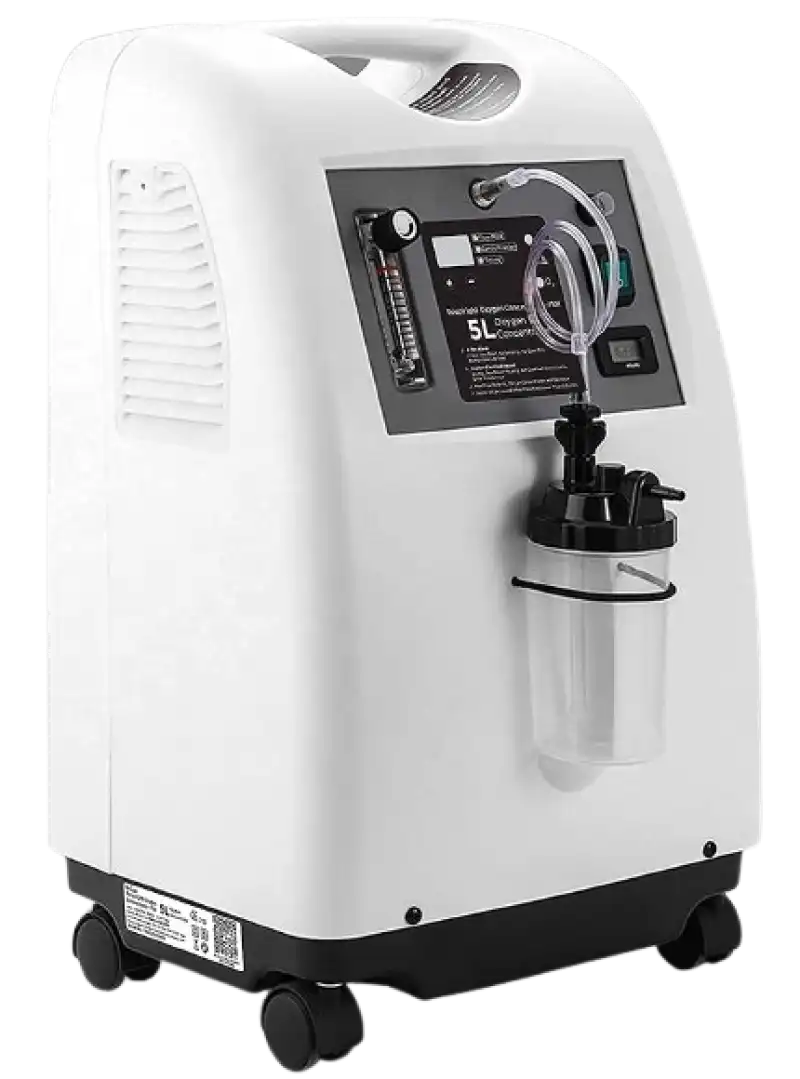
An oxygen concentrator is a medical device that draws in ambient air, filters out nitrogen, and delivers purified oxygen typically at 90–95% purity to the patient through a nasal cannula or oxygen mask. It uses a series of internal filters, compressors, and molecular sieve beds to separate oxygen molecules from other gases present in the air.
Unlike oxygen cylinders, which contain a fixed volume of oxygen that depletes over time, concentrators provide an unlimited supply as long as they have a power source. This makes them ideal for continuous or long-term oxygen therapy, especially in home-care environments where regular refilling of cylinders can be costly and inconvenient.
Modern oxygen concentrators are designed with user safety and comfort in mind. Most models include features such as audible alarms for low oxygen purity, power failure alerts, flow-rate indicators, and thermal protection systems to prevent overheating. Portable variants also come with rechargeable batteries, allowing patients to maintain mobility and independence without compromising on oxygen support.
When Should You Use an Oxygen Concentrator?
Oxygen concentrators are prescribed when a patient’s blood oxygen saturation levels fall below normal ranges (usually under 90-92% SpO₂). A doctor typically determines the need for oxygen therapy based on pulse oximetry readings, arterial blood gas tests, and clinical symptoms such as breathlessness, fatigue, and cyanosis (bluish discoloration of lips or fingers).
Medical Conditions That Commonly Require Oxygen Therapy
Chronic Obstructive Pulmonary Disease (COPD)
COPD is a progressive lung condition that includes emphysema and chronic bronchitis. Oxygen concentrators help maintain adequate oxygen levels, reduce breathlessness, improve exercise tolerance, and prevent complications such as pulmonary hypertension and heart strain.
Asthma and Severe Respiratory Infections
During intense asthma attacks or serious chest infections, oxygen therapy provides critical respiratory support, helping stabilize breathing and prevent oxygen deprivation.
Post-Surgical Recovery
After major surgeries especially cardiac, thoracic, or abdominal procedures patients may experience reduced lung efficiency. Supplemental oxygen aids healing, reduces postoperative complications, and improves overall recovery speed.
Sleep Apnea and Hypoxia
Patients with sleep-related breathing disorders or nocturnal hypoxia benefit from controlled oxygen delivery during sleep, helping maintain stable oxygen saturation and reducing morning fatigue and headaches.
COVID-19 and Pneumonia
For mild to moderate cases of COVID-19 and bacterial pneumonia, oxygen concentrators play a crucial role in maintaining oxygen levels at home under medical supervision, reducing the need for hospital admission.
Types of Oxygen Concentrators
1. Stationary Oxygen Concentrators
Best For:
• Long-term home oxygen therapy
• Elderly or bedridden patients
• Chronic respiratory conditions
Flow Rate:
Typically 1–10 liters per minute (LPM), with higher-capacity models available for severe cases.
Power Source:
Continuous electricity supply (AC powered)
Key Features:
• High oxygen output
• Stable long-duration performance
• Larger size and heavier build
• Built-in alarms for safety
Stationary concentrators are ideal for patients who require high-flow oxygen for several hours daily. These models are designed for durability, consistent oxygen purity, and minimal maintenance, making them a dependable choice for long-term respiratory care.
2. Portable Oxygen Concentrators
Best For:
• Travel and outdoor mobility
• Active patients
• Occasional oxygen therapy
Flow Rate:
Typically 1–5 LPM (often pulse-dose delivery rather than continuous flow)
Power Source:
Rechargeable battery, AC adapter, and DC car charger
Key Features:
• Lightweight and compact
• Airline-approved options
• Battery backup for mobility
• Carrying bags or shoulder straps
Portable concentrators are designed for patients who want to maintain independence while managing their oxygen needs. They are especially useful for travel, work, and social activities, though they usually deliver lower oxygen flow compared to stationary units.
How to Use an Oxygen Concentrator Safely
Using an oxygen concentrator correctly is essential for ensuring both safety and effectiveness. Follow these step-by-step guidelines:
• Place the concentrator in a well-ventilated area, at least 6–12 inches away from walls or curtains, to allow proper airflow and prevent overheating.
• Plug in the device for stationary models or ensure the battery is fully charged for portable ones.
• Attach the nasal cannula or oxygen mask securely to the oxygen outlet port.
• Set the oxygen flow rate exactly as prescribed by your doctor never increase or decrease it without medical advice.
• Sit comfortably and breathe normally; avoid deep or forced breathing.
• Ensure there are no kinks, bends, or blockages in the oxygen tubing.
• Keep the concentrator away from flames, smoking areas, or heat sources.
• Clean or replace filters regularly as per the manufacturer’s instructions.
• Monitor oxygen saturation using a pulse oximeter, especially during long usage sessions.
What’s Included with an Oxygen Concentrator?
When you purchase an oxygen concentrator, the package usually includes:
• Nasal cannula or oxygen mask
• Air intake and bacterial filters
• Rechargeable battery (for portable models)
• Power cords and adapters (AC/DC)
• Carrying case or trolley (portable models)
• User manual and warranty card
Always verify the accessories list before purchase to ensure you receive all essential components required for safe and uninterrupted use.
How to Carry and Transport an Oxygen Concentrator
Transporting an oxygen concentrator safely is important, especially for patients who travel frequently or require oxygen outside their home.
• Use the provided carrying bag, trolley, or shoulder strap for portable models.
• Ensure backup batteries are fully charged for long journeys.
• Secure the device properly in a vehicle to prevent falls or vibration damage.
• Avoid placing heavy items on top of the concentrator.
• Check airline policies and approval requirements before flying.
• Carry a doctor’s prescription and medical clearance certificate when traveling.
• Store the concentrator in a dry, dust-free environment when not in use.
Choosing the Right Oxygen Concentrator
Before selecting an oxygen concentrator, consider the following factors:
• Prescribed oxygen flow rate (LPM)
• Continuous vs pulse-dose delivery needs
• Noise level (important for night use)
• Power consumption and electricity backup
• Portability and weight
• After-sales service availability in your city
• Warranty coverage and spare parts access
• Budget and long-term usage costs
Consulting a healthcare professional or a medical equipment specialist such as the team at Aarogyaa Bharat can help you choose a model that perfectly matches your medical and lifestyle needs.
Conclusion
Oxygen concentrators have transformed respiratory care by making oxygen therapy accessible, affordable, and convenient for patients of all ages. From managing chronic illnesses and supporting post-surgical recovery to ensuring safe oxygen delivery during emergencies and travel, these devices provide a dependable lifeline for those struggling with breathing difficulties.
Choosing the right oxygen concentrator is not just about price or brand it’s about safety, reliability, comfort, and long-term peace of mind. At Aarogyaa Bharat, we are committed to helping families find high-quality oxygen concentrators backed by expert guidance, trusted brands, and reliable after-sales support.
Explore our range of oxygen concentrators today and take a confident step toward better breathing, better health, and a better quality of life.