When a doctor prescribes oxygen therapy for a loved one, families often feel an overwhelming mix of fear, urgency, and confusion. Breathing is life itself, and when someone struggles to breathe, every decision suddenly feels heavy with emotional and financial consequences. One of the first and most confusing choices families face is whether to go with an oxygen cylinder or invest in an oxygen concentrator. At first glance, this decision seems simple because oxygen cylinders are cheaper to rent or buy initially, while concentrators come with a much higher upfront cost. But what many people fail to realize is that this first impression can be dangerously misleading when long-term therapy is required.
For patients suffering from chronic respiratory conditions such as COPD, asthma, pulmonary fibrosis, post-COVID lung damage, pneumonia, heart failure, or even age-related breathing weakness, oxygen is not just a temporary support system it becomes a daily medical necessity. Any interruption in oxygen flow can cause immediate breathlessness, panic attacks, elevated heart rate, and potentially life-threatening complications. This means the oxygen solution you choose must not only be affordable but also reliable, uninterrupted, and sustainable for weeks or months.
At Aarogyaa Bharat, we interact daily with families who initially choose oxygen cylinders because they look affordable and easily available, only to realize later that refill costs, delivery delays, and daily logistics slowly drain their finances and mental peace. At the same time, many families hesitate to buy an oxygen concentrator because the upfront price feels too high, without understanding that it is often the cheapest option over time. This detailed cost comparison guide is designed to uncover the real financial truth, practical usability, and medical suitability of oxygen cylinders versus oxygen concentrators so that you can make a confident, informed, and emotionally stress-free decision for your home oxygen therapy needs.
What Is an Oxygen Cylinder and How Does It Actually Work?
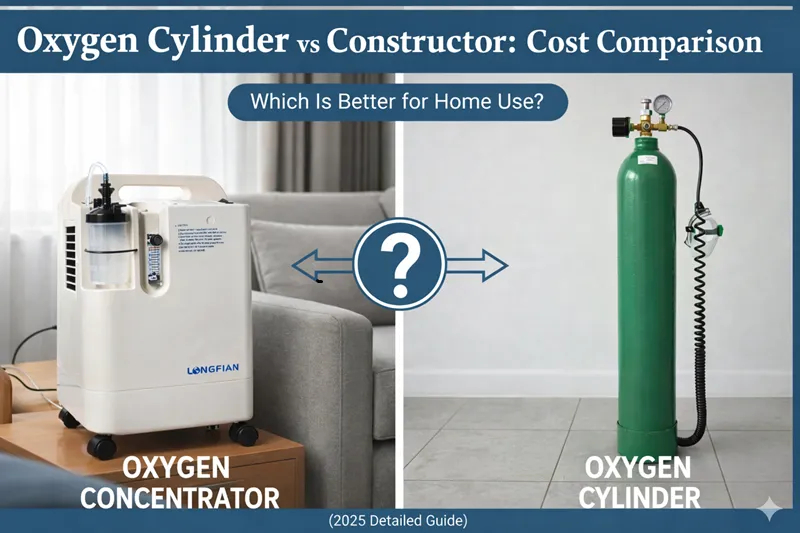
An oxygen cylinder is a heavy-duty, pressurized metal tank filled with medical-grade oxygen that is released through a regulator at a controlled flow rate. These cylinders are widely used in hospitals, ambulances, clinics, and home-care setups across India because they are simple, dependable, and require no electricity to operate. Cylinders come in various sizes, from small portable units that can be carried by hand to large industrial-style tanks that can supply oxygen for several hours at higher flow rates.
One of the biggest advantages of oxygen cylinders is their instant readiness. Since oxygen is already stored inside the tank, patients can start breathing oxygen immediately without any setup, filtration process, or power connection. This makes cylinders extremely valuable during medical emergencies, ambulance transport, or power outages, where an immediate oxygen source can literally save lives. For this reason, doctors often recommend cylinders as a backup option even for patients who primarily use concentrators.
However, the convenience of instant oxygen comes with a major hidden drawback limited supply. Once the oxygen inside the tank is depleted, the cylinder becomes completely useless until it is refilled or replaced. For patients who require oxygen for 10 to 16 hours a day, a single cylinder may last only a few hours depending on the prescribed flow rate. This forces families into a constant cycle of refills, deliveries, and scheduling nightmares that become exhausting over time.
Another important issue with oxygen cylinders is safety and storage. Cylinders are pressurized containers, and if they are dropped, mishandled, or exposed to excessive heat, they can become hazardous. They also occupy a lot of physical space in homes, which can be a problem in small apartments. Managing heavy cylinders daily can be physically challenging for elderly caregivers, and improper handling increases the risk of leaks or regulator damage. While cylinders are undeniably useful, they are far from ideal for long-term home oxygen therapy.
What Is an Oxygen Concentrator and Why Is It a Game-Changer?
An oxygen concentrator is a modern medical device that generates oxygen from the surrounding air instead of storing it in a tank. It works by pulling in room air, filtering out nitrogen using advanced molecular sieve technology, and delivering purified oxygen directly to the patient. As long as the machine has electricity and proper maintenance, it can provide a continuous, unlimited oxygen supply without the need for refills or deliveries.
Modern oxygen concentrators are specifically designed for long-term home use and come in both stationary and portable models. Stationary concentrators are ideal for patients who need oxygen therapy for many hours a day at home, while portable concentrators offer mobility for users who want to step outdoors, travel, or attend hospital appointments. These machines are equipped with digital displays, oxygen purity sensors, alarm systems, and adjustable flow controls to ensure consistent and safe oxygen delivery.
The most powerful advantage of an oxygen concentrator is its independence from refill logistics. Once you invest in a concentrator, you no longer need to worry about supplier availability, rising refill costs, delivery delays, or emergency shortages. This makes concentrators incredibly cost-effective for patients who require oxygen therapy for weeks, months, or even years. For families already under emotional stress due to illness, this logistical freedom provides priceless peace of mind.
However, concentrators are not perfect. They depend entirely on electricity, which means power cuts can disrupt oxygen supply unless a backup battery or cylinder is available. They also require periodic maintenance, filter cleaning, and part replacements to ensure oxygen purity remains within medical standards. Despite these limitations, oxygen concentrators remain the most practical, economical, and sustainable solution for long-term home oxygen therapy.
Upfront Cost Comparison: Why Cylinders Look Cheaper but Aren’t
When families first compare oxygen cylinders and concentrators, the price difference feels shocking. A standard medical oxygen cylinder in India typically costs between ₹1,500 and ₹5,000 depending on its size, brand, and supplier. Rental options are even cheaper, usually ranging from ₹300 to ₹1,000 per day depending on the cylinder capacity and included accessories. This low initial cost often makes cylinders look like the most budget-friendly option.
In contrast, a high-quality oxygen concentrator comes with a significantly higher upfront price. Home-use concentrators generally range between ₹35,000 and ₹85,000 depending on brand, oxygen flow capacity (5L or 10L), noise level, warranty coverage, and safety features. Portable concentrators are even more expensive and can exceed ₹1 lakh for premium models with extended battery life and ultra-lightweight designs.
This massive price gap can be terrifying for families dealing with sudden hospital discharges or medical emergencies. Many people choose cylinders simply because they cannot afford a concentrator immediately, without realizing that this short-term decision may end up costing them far more money in the long run. What looks like a budget-friendly option today can turn into a financial disaster within just a few months.
At Aarogyaa Bharat, we always advise families to look beyond the first payment and calculate what they will realistically spend over the next three to six months. In most long-term therapy cases, the total cost of oxygen cylinders ends up exceeding the one-time cost of a concentrator, making the concentrator the far more financially sensible choice over time.
Long-Term Cost Comparison: The Hidden Financial Reality
The real cost difference between oxygen cylinders and concentrators becomes brutally clear when long-term usage is analyzed honestly. A medium-sized oxygen cylinder typically lasts between four to eight hours depending on the flow rate prescribed by the doctor. For patients requiring oxygen 12 to 16 hours a day, this means one to three cylinders per day, which translates into multiple refills every week.
Refilling a single oxygen cylinder in India can cost anywhere between ₹300 and ₹1,200 depending on location, transport charges, and oxygen purity standards. If a patient requires just one refill per day at ₹600, the monthly cost quickly rises to ₹18,000, and the annual cost crosses ₹2 lakh. For families on fixed incomes or those already burdened with hospital bills and medication expenses, this ongoing cost becomes financially crushing within a few months.
On the other hand, an oxygen concentrator has minimal recurring costs. The main expenses include electricity consumption, periodic servicing, and occasional filter replacements. Even when used continuously, a concentrator’s electricity cost usually ranges between ₹500 and ₹1,200 per month depending on usage hours and local power tariffs. Servicing once or twice a year adds a small additional cost but nowhere near the refill expenses of cylinders.
When you compare ₹18,000 per month for cylinder refills versus ₹1,000 per month for concentrator operation, the financial advantage of concentrators becomes impossible to ignore. Within just three to six months, the concentrator often pays for itself. From that point onward, every additional month of usage effectively saves families thousands of rupees.
Convenience, Usability, and Emotional Stress Comparison
Cost alone should never be the only deciding factor when choosing an oxygen solution. Daily convenience, reliability, and caregiver burden play an equally massive role in long-term satisfaction. Oxygen cylinders require constant monitoring of remaining oxygen levels, timely refill scheduling, and coordination with suppliers for replacements. Any delay in delivery can result in dangerous oxygen shortages and extreme anxiety for both patients and caregivers.
Oxygen concentrators, on the other hand, offer uninterrupted oxygen supply as long as power is available. Patients can use them day and night without worrying about running out of oxygen. Most modern concentrators come with alarm systems that alert users if oxygen purity drops, filters clog, or power interruptions occur, adding an extra layer of safety and peace of mind.
From a mobility perspective, cylinders are heavier and harder to transport, especially for elderly caregivers. Portable concentrators offer far greater independence for users who want to move around their homes, travel, or attend medical appointments without being confined to a single room. This mobility dramatically improves mental health and quality of life for long-term oxygen users.
In terms of noise, modern concentrators are far quieter than older models, making them suitable for bedrooms and nighttime use. Cylinders are silent but require manual handling and regulator adjustments, which can be physically exhausting and emotionally draining for caregivers managing frail or bedridden patients.
Medical Suitability and Safety Considerations
Not every patient has the same oxygen requirements, and medical suitability must be considered alongside cost. Oxygen cylinders deliver pure oxygen instantly, making them ideal for emergencies, ambulance transport, and short-term therapy needs. They are also essential as backup units in case of power failures for concentrator users.
From a safety perspective, concentrators eliminate the risk associated with storing pressurized gas cylinders inside the home. Cylinders, if mishandled or damaged, pose a higher risk of leaks or accidents. Concentrators also reduce infection risk by providing a cleaner and more controlled oxygen delivery environment.
Doctors often recommend a hybrid approach where patients use a concentrator for daily therapy and keep a small oxygen cylinder as a backup for emergencies or power cuts. This combination offers both cost efficiency and maximum safety.
Conclusion: Which Option Is Truly Better for Your Home?
When comparing oxygen cylinders and oxygen concentrators purely on upfront cost, cylinders appear cheaper. However, when long-term expenses, refill dependency, convenience, safety, and caregiver burden are factored in, oxygen concentrators clearly emerge as the better long-term investment for most home-care patients.
Oxygen cylinders still play a vital role in emergencies and as backup units, but relying on them as a primary oxygen source can quickly become financially draining and logistically exhausting. For patients who require continuous therapy for weeks or months, a concentrator offers stability, safety, and peace of mind that cylinders simply cannot match.
At Aarogyaa Bharat, we help families choose the right oxygen solution based on medical needs, budget constraints, and home setup conditions. Whether you need to rent a cylinder, buy a concentrator, or create a hybrid backup system, our expert team ensures you get a reliable, affordable, and medically appropriate solution for your loved ones.