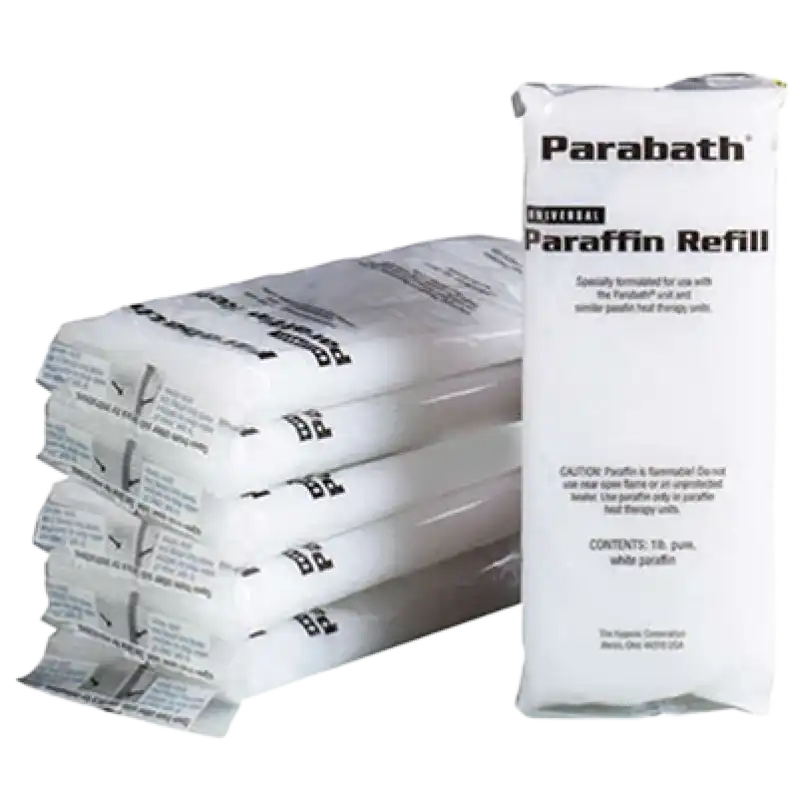
Introduction: What Exactly Is Paraffin Wax?
Paraffin wax is a white or colorless soft solid derived from petroleum. You’ve probably seen it in spas, salons, or even your grandmother’s pain-relief routine. While it might seem simple, paraffin wax has long been a trusted home remedy and beauty enhancer. Used in heat therapy, it offers benefits ranging from muscle relaxation to skin nourishment.
But is it safe? What are its true benefits and what should you watch out for?
Let’s dig into the science and the stories behind this versatile wax.
How Paraffin Wax Works
Paraffin wax has a high heat capacity, which means it can retain warmth for extended periods. When applied to the skin, it transfers that heat deep into your muscles and joints. This leads to:
Improved blood circulation
Relaxed muscles
Soothing relief for arthritis, joint stiffness, and fibromyalgia
Benefits of Paraffin Wax Therapy
1. Deep Moisturization for Dry Skin
When warm paraffin wax is applied to the skin, it creates a sealing layer that locks in moisture. That’s why it’s popular in hand and foot spa treatments. The result?
Softer, smoother skin especially for people suffering from eczema, psoriasis, or chapped winter hands.
2. Pain Relief for Joint and Muscle Issues
If you’ve got arthritis, carpal tunnel syndrome, or stiff joints, paraffin wax can provide natural, non-invasive relief. The heat helps increase blood flow, ease tension, and reduce inflammation.
3. Improves Range of Motion
Paraffin wax therapy helps loosen tight joints, especially in the hands, feet, elbows, and knees. Regular use can improve flexibility over time, making daily movements easier.
4. Preps Skin for Manicures and Pedicures
Soft skin = better results. A warm paraffin wrap before a manicure helps condition the cuticles and soften tough skin, making the entire process smoother and more effective.
Common Uses of Paraffin Wax
| Purpose | How It's Used |
|---|---|
| Salon Therapy | Heated wrap for hands and feet |
| Pain Management | Heat therapy for arthritis and joints |
| Skin Treatment | Moisture lock-in for dry skin |
| Industrial Use | Used in candles, lubricants, packaging |
How to Use Paraffin Wax at Home Safely
Melt the Wax: Use a paraffin wax bath or double boiler. Never use direct flame.
Test the Temperature: Ideal temperature is around 125°F (51°C)—warm, not burning.
Apply Evenly: Dip hands or feet into the wax 2–3 times. Let each layer dry before the next.
Wrap & Wait: Cover with a plastic liner and towel. Wait 10–20 minutes.
Peel & Moisturize: Gently remove and apply a nourishing lotion afterward.
Is Paraffin Wax Safe?
For most people, yes but it’s not for everyone. Avoid paraffin wax therapy if you have:
Open wounds or cuts
Poor blood circulation
Diabetes (consult your doctor first)
Skin infections or rashes
Always check with a healthcare provider before starting new therapies, especially if you have chronic health conditions.
Eco & Ethical Concerns: Is Paraffin Wax Sustainable?
Paraffin wax is petroleum-based, which raises environmental concerns. For a more sustainable approach, some people prefer soy wax, beeswax, or plant-based alternatives. However, paraffin remains the most commonly used wax in salons due to its affordability and consistent results.
Final Thoughts
Paraffin wax may not be flashy, but it’s a trusted tool in both beauty and therapeutic routines. From softening cracked heels to easing joint pain, it delivers practical benefits in a natural, comforting way. Like any treatment, the key is using it correctly and knowing when it’s right for your body. So next time you dip your hands into warm wax at the salon or reach for a home spa kit, remember: this simple wax carries decades of wisdom, warmth, and wellness.
Explore paraffin wax therapy kits, pain-relief essentials, and more on aarogyaabharat.com – where health meets heritage.