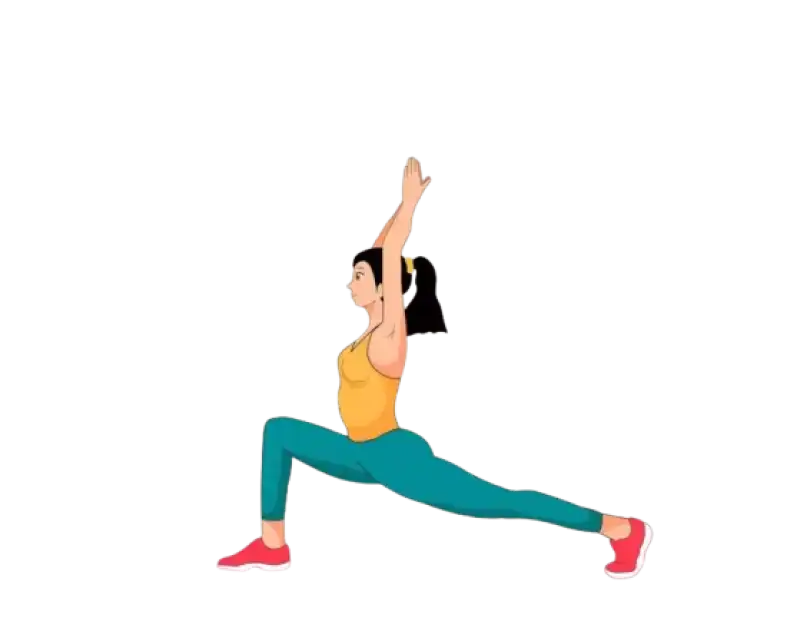
Let’s Be Honest: It’s Not a Competition
Everyone talks about getting fit. Do yoga. Go for walks. Lift weights. But what if you’ve got a stiff back, or your knees creak like old stairs? That’s where people start wondering, “Should I just do some stretches at home, or should I see a physio?”
Let’s not overcomplicate things. Both physiotherapy and exercise are good—but they serve different purposes. And if you’re confused, you're not the only one. I used to think a few YouTube workouts could solve all my pain problems. (Spoiler: they didn’t.)
Physiotherapy: For When Something Feels “Off”
Physiotherapy isn’t just for serious injuries. It’s for that nagging shoulder pain you keep ignoring, the ankle that never fully healed, or the way your neck feels like it’s been stuck since Monday morning.
A physiotherapist won’t just say, “Do squats and call me next week.” They assess your movement, figure out why something hurts, and help you fix the actual root cause. It's more personal than any general workout plan you’ll find online.
They also use tools. Think massage techniques, heat therapy, and exercises that feel weirdly simple—but work like magic over time.
Physical Exercise: For Staying Strong (or Just Sane)
Now, if you’re not in pain and just want to stay healthy, that’s where regular physical activity steps in. Gym sessions, cycling, yoga, long walks—they keep your body moving and your mind from melting down after a rough day.
Exercise helps prevent problems. But here’s the catch: if your body already has a problem, the wrong kind of exercise can make it worse. That’s why physiotherapy is often step one, especially post-injury.
Here’s How to Know What You Need
Let’s put this into a real-world situation. Say your back hurts from sitting all day. A physiotherapist will likely help you loosen up stiff muscles, strengthen your core, and fix your posture.
Now, after a few weeks? You might be ready for workouts to keep that back strong. But skip the physio part, and you risk doing exercises that could make things worse.
Think of it this way:
- Physiotherapy is like hitting the brakes before a crash.
- Physical exercise is like regular car maintenance.
You need both. Just not always at the same time.
FAQ's:
Q: Can I skip physio if I’m already active?
If you’re feeling good, sure. But if you’re pushing through pain, don’t mess around. Get it checked.
Q: Isn’t physio just stretching?
Nope. It’s science + movement. Stretching helps, but physios work on nerves, joints, and muscles in ways your gym app can’t.
Q: Do I need a prescription?
Usually not. Just book an appointment. No one’s going to stop you from taking care of your body.
Q: Can I do both?
Yes. Many do physiotherapy for recovery, then transition into gym or home workouts once they’re ready.
Final Thoughts: Listen to Your Body, Not the Internet
At the end of the day, it’s not about what’s “better.” It’s about what you need right now. If you're hurting or recovering, don’t jump straight into workouts. And if you’re feeling good? Keep moving, stay strong, but be smart.
No influencer or article (not even this one) can tell you what your body’s whispering. But a good physio can. And so can a mindful exercise routine.