Introduction
Do you often wake up with a dry throat, itchy skin, or a stuffy nose—especially during winter or in air-conditioned rooms? The culprit might be dry indoor air. That's where a room humidifier steps in as a simple yet powerful tool to enhance your home's air quality and protect your family's health.
Whether it's flu season or you're just looking to improve comfort, a humidifier can be a game-changer in your daily wellness routine.
What Is a Room Humidifier?
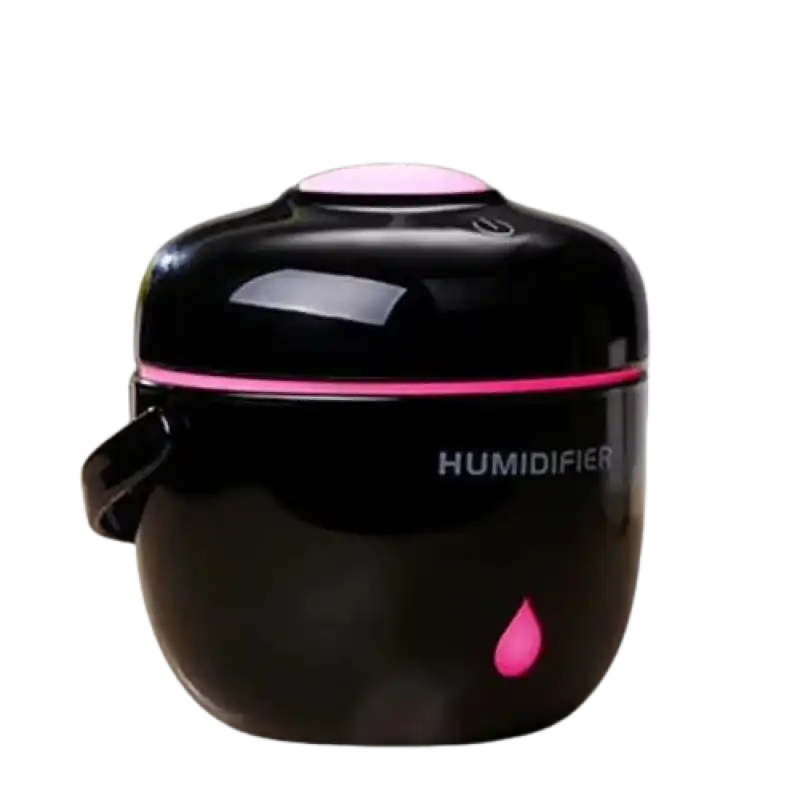
A room humidifier is a device that adds moisture to the air, balancing humidity levels inside your home. It's particularly helpful in dry climates or during cold months when heaters and air conditioners strip the air of natural moisture.
Fun Fact: Ideal indoor humidity levels range from 30% to 50%.
Benefits of Using a Room Humidifier
- Relieves Respiratory Discomfort
- Prevents Dry Skin and Lips
- Promotes Better Sleep
- Protects Wooden Furniture and Houseplants
- May Reduce Airborne Virus Transmission
Types of Room Humidifiers
- Ultrasonic Humidifiers
- Evaporative Humidifiers
- Warm Mist (Steam) Humidifiers
- Whole-House Humidifiers
Where Should You Use a Humidifier?
- Bedroom: To improve sleep and prevent morning dryness
- Baby's Room: Keeps sensitive skin and sinuses moist
- Living Room: Enhances comfort for the whole family
- Workspaces: Reduces eye strain and fatigue from screens
How to Use and Maintain a Humidifier
- Use Distilled or Filtered Water: Prevents mineral buildup and white dust
- Clean Regularly: Clean the tank every 2-3 days to avoid mold and bacteria
- Monitor Humidity: Use a hygrometer to keep humidity in the 30-50% range
- Replace Filters as Needed: For evaporative models, change filters periodically
- Empty Water Daily: Especially for cool-mist types to prevent microbial growth
FAQs
Q1. Can a humidifier help with colds or allergies?
Yes, it can ease symptoms like congestion and sore throat by moisturizing nasal passages.
Q2. Is it safe to use a humidifier in a baby's room?
Absolutely! Just ensure it's a cool-mist model and cleaned regularly.
Q3. Can over-humidifying a room be harmful?
Yes, excessive humidity (>60%) can promote mold growth. Monitor levels with a hygrometer.
Q4. How often should I clean my humidifier?
Every 2-3 days for light cleaning, and deep cleaning weekly to prevent mold and bacteria.
Q5. What's the difference between a diffuser and a humidifier?
Diffusers are mainly for aromatherapy with essential oils, while humidifiers focus on increasing room humidity.
Conclusion
From boosting your respiratory health to improving skin hydration and even sleep quality, a room humidifier is one of the most underrated health tools you can own. Easy to use, budget-friendly, and incredibly effective—it’s time to bring balance back to your home’s air.
Whether you're looking for a compact ultrasonic model or a heavy-duty unit for your whole house, explore a range of health-first humidifiers at Aarogyaa Bharat and make wellness a part of your air today.