Introduction
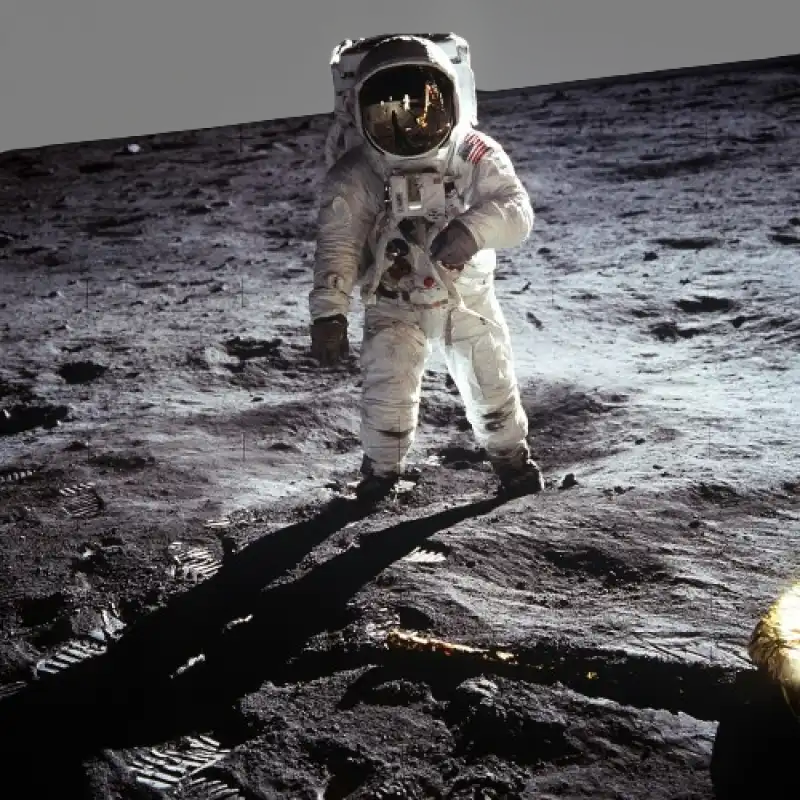
Astronauts Sunita Williams and Butch Wilmore recently returned from their mission to space, marking another milestone in human space exploration. Their journey was filled with challenges, from microgravity adaptation to extreme physical and mental endurance. Now, as they undergo a 45-day rehabilitation period, their focus is on recovering from the physiological changes caused by long-duration space travel. In this blog, we’ll explore their space mission, the effects of space travel on the human body, and the medical equipment used during rehabilitation.
The Journey to Space and Back
Sunita Williams and Butch Wilmore embarked on a critical space mission that tested their endurance and adaptability in a microgravity environment. Their mission involved scientific experiments, spacecraft maintenance, and long hours of physical exertion in zero gravity.
Challenges Faced in Space
- Muscle Atrophy: Prolonged exposure to microgravity leads to muscle loss.
- Bone Density Reduction: Astronauts can lose up to 1-2% of bone mass per month.
- Fluid Shifts: The body experiences swelling and fluid redistribution.
- Radiation Exposure: Increased exposure to cosmic radiation.
Post-Spaceflight Rehabilitation and Medical Equipment Used
Returning to Earth requires extensive rehabilitation. The body needs time to readjust to gravity, and astronauts undergo structured physical therapy and medical monitoring.
Key Medical Equipment in Astronaut Rehabilitation
- Treadmills and Resistance Bands – Used for muscle recovery and strength training.
- Hyperbaric Oxygen Therapy Chambers – Assist in improving oxygen circulation and cell regeneration.
- Physiotherapy Devices – Help in restoring balance and coordination post-mission.
- Bone Density Scanners – Monitor and assess bone loss after prolonged space travel.
- Compression Suits – Assist in maintaining blood circulation and reducing dizziness upon returning to Earth's gravity.
How Sunita Williams Managed Menopause in Space
Sunita Williams, like many women, has had to manage hormonal changes while maintaining peak performance. In space, menopause management can be particularly challenging due to:
- Hormonal Fluctuations: Microgravity impacts hormone regulation.
- Bone Health Concerns: Estrogen reduction affects bone density, requiring countermeasures like calcium supplements and exercise.
- Sleep Disruptions: Hormonal changes and altered circadian rhythms can lead to insomnia.
Astronauts are provided with personalized medical guidance to handle such challenges, ensuring optimal health during and after missions.
FAQs – Your Questions Answered
What are the biggest health challenges astronauts face post-spaceflight?
Astronauts deal with muscle loss, bone density reduction, balance issues, and cardiovascular changes, requiring months of rehab.
How do astronauts recover after returning to Earth?
They follow a 45-day rehab program involving physical therapy, monitored nutrition, and strength training to regain muscle and bone health.
What medical equipment helps astronauts recover post-mission?
Rehabilitation involves the use of physiotherapy devices, compression suits, bone density scanners, and specialized exercise machines.
Can menopause affect astronauts in space?
Yes, menopause can impact bone density, sleep cycles, and hormone levels, requiring a tailored health plan for female astronauts.
How does microgravity affect female astronauts differently?
Women may experience different cardiovascular responses and hormonal fluctuations compared to men, requiring specific medical monitoring and interventions.
Conclusion
The journey of Sunita Williams and Butch Wilmore exemplifies the resilience of astronauts and the importance of medical science in space missions. As they undergo rehabilitation, advanced medical equipment plays a crucial role in their recovery. Whether it’s bone density monitoring, physiotherapy, or muscle recovery, astronauts rely on cutting-edge medical solutions to regain their strength.
For advanced medical equipment for rehabilitation and health monitoring, visit Aarogyaa Bharat today!