Introduction
In an age where fad diets and health trends dominate our feeds, the food pyramid remains a timeless guide to balanced nutrition. It’s not just a school lesson or a textbook diagram it’s a practical blueprint for how you and your family can eat to stay healthy, energized, and disease-free.
But what exactly is the food pyramid, and why does it still matter today?
Let’s take a closer look.
What Is the Food Pyramid?
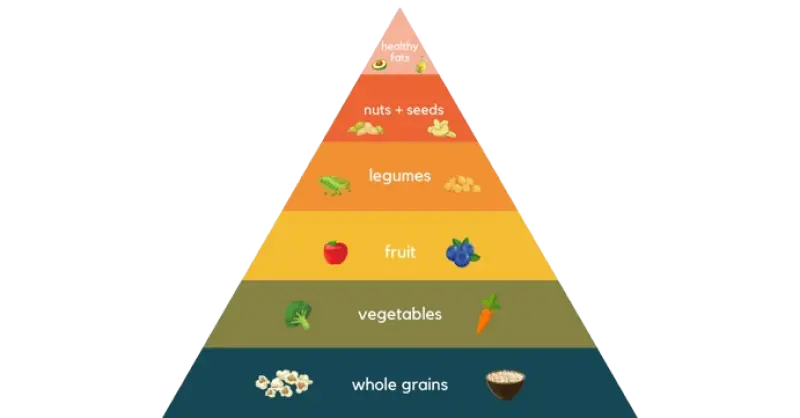
The food pyramid is a visual representation of how different types of food contribute to a healthy diet. It organizes food into groups and shows how much of each you should ideally eat, from the most to the least.
The traditional pyramid starts wide at the bottom foods you should eat the most and gradually narrows toward the top, which includes foods that should be consumed sparingly.
Breakdown of the Food Pyramid
Base of the Pyramid: Whole Grains and Carbohydrates
Examples include brown rice, oats, whole wheat, barley, corn, and millets.
This level provides the body’s primary source of energy. Whole grains and complex carbohydrates keep you full for longer, support digestion, and fuel daily activities. Choosing unprocessed, high-fiber grains over refined ones helps maintain stable energy levels.
Recommended intake is about 6–11 servings a day, depending on age and activity level.
Fruits and Vegetables: The Colorful Powerhouses
Fruits such as bananas, oranges, berries, and mangoes, and vegetables like spinach, carrots, bell peppers, and tomatoes fall into this group.
They are rich in vitamins, minerals, antioxidants, and fiber. Regular intake strengthens immunity, protects against chronic diseases, and supports overall body function.
Recommended intake includes 3–5 servings of vegetables and 2–4 servings of fruits daily.
Protein and Dairy: For Strength and Repair
Proteins include lentils, chickpeas, eggs, fish, chicken, tofu, and nuts. Dairy includes milk, curd, paneer, and yogurt.
These foods support muscle repair, tissue growth, hormone production, and bone health. Dairy products also provide calcium and vitamin D, which are essential for strong bones and teeth.
Recommended intake is 2–3 servings of protein and dairy each day.
Fats, Oils, and Sweets: Use Sparingly
Examples include butter, ghee, oils, sweets, pastries, and fried foods.
While fats are essential for energy and nutrient absorption, excessive intake can lead to weight gain and heart problems. Healthier fat choices such as nuts, seeds, and vegetable oils are better than trans fats and heavily processed foods.
Recommended intake should be minimal, with focus on portion control and quality.
Why the Food Pyramid Still Works Today
The food pyramid continues to be relevant because it is simple to follow, encourages variety and moderation, and supports long-term, sustainable eating habits. It does not promote extreme restrictions or complicated diet rules.
You don’t need trendy diets or expensive plans—just a balanced plate guided by the pyramid.
Modern Adjustments to the Pyramid
With advances in nutrition science, the pyramid has evolved. Modern versions emphasize plant-based proteins, healthier fats like seeds and avocados, and recognize water as a vital foundation for overall health.
Quick Tips to Follow the Food Pyramid in Daily Life
- Start your day with whole grains such as oats or multigrain toast.
- Fill half your plate with fruits and vegetables.
- Include a lean protein source in every meal.
- Choose low-fat dairy or plant-based alternatives.
- Limit sugary snacks and fried foods to occasional treats.
- Drink plenty of water and stay physically active.
Final Thoughts: Balance Over Restriction
The strength of the food pyramid lies in its flexibility. It doesn’t ask you to eliminate food groups or follow unrealistic rules. Instead, it helps you build a healthy relationship with food, one balanced plate at a time.
The next time you sit down to eat, picture the food pyramid on your plate and make choices that nourish your body, mind, and overall well-being.
Aarogyaa Bharat supports healthier living by sharing simple, science-based nutrition and wellness guidance to help families make better everyday health choices.