Introduction:
In today’s fast-paced world, we often overlook the importance of when we eat. While the content of our meals is crucial, timing plays an equally important role in maintaining our health. Irregular eating habits—skipping breakfast, late-night dinners, or long gaps between meals—can disrupt your body’s natural rhythm and lead to digestive issues, fatigue, weight gain, and even chronic diseases.
Let’s explore why eating meals on time is essential for a healthier, more balanced life.
1. Supports Proper Digestion
Our digestive system works best when it follows a predictable routine. Regular meal timings allow digestive enzymes to be released efficiently, aiding better absorption of nutrients. Eating at erratic hours can lead to indigestion, bloating, acidity, or constipation.
Tip:
Try to eat every 3–4 hours. Keep your breakfast, lunch, and dinner at consistent times each day.
2. Regulates Blood Sugar Levels
Delayed or skipped meals can cause sudden drops in blood sugar, leading to irritability, fatigue, and cravings for unhealthy snacks. On the flip side, eating too frequently or late can spike insulin levels. Maintaining consistent meal timings helps balance your blood sugar levels and prevents insulin resistance, which is a major cause of diabetes.
3. Boosts Metabolism
Your metabolism thrives on routine. Eating on time helps maintain a healthy metabolic rate. Skipping meals or eating late slows down your metabolism, which can lead to weight gain and low energy levels.
Pro Tip:
Start your day with a wholesome breakfast to kick-start your metabolism. Avoid eating heavy meals after 8 PM.
4. Aids in Weight Management
Timely meals help control portion sizes and reduce the likelihood of overeating or bingeing later. Regular meals also prevent unnecessary snacking or emotional eating, both of which contribute to weight gain.
5. Keeps Hormonal Balance in Check
Our body’s hormones, especially those related to hunger (like ghrelin and leptin), function on a biological clock. Irregular eating habits confuse these signals, leading to overeating or constant hunger.
Mindful Eating Tip:
Listen to your hunger cues and eat when your body expects nourishment—not just when it's convenient.
6. Improves Mental Health and Focus
Low blood sugar due to irregular meals can lead to mood swings, anxiety, and difficulty concentrating. Eating balanced meals at regular intervals ensures your brain receives a steady supply of glucose—the fuel it needs to function properly.
7. Supports Healthy Sleep Patterns
Late dinners or irregular meals can interfere with your sleep quality. Digestion continues while you sleep, and if you eat just before bedtime, it may lead to discomfort, bloating, or acidity—disrupting your rest.
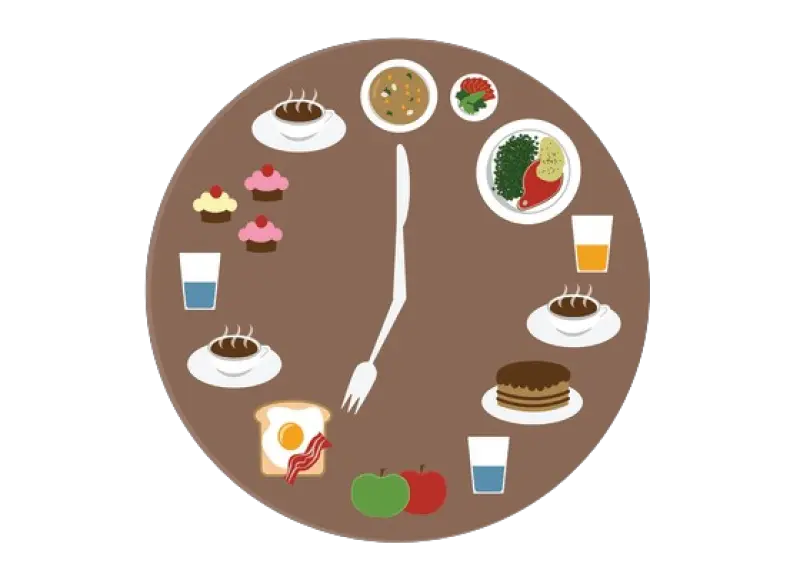
Ideal Timetable for a Healthy Day
Breakfast: Between 7:00 AM – 9:00 AM
Mid-morning snack (optional): 10:30 AM – 11:00 AM
Lunch: Between 12:30 PM – 2:00 PM
Evening snack: 4:00 PM – 5:00 PM
Dinner: Between 7:00 PM – 8:30 PM
Keep your meal schedule consistent, even on weekends.
FAQs: Timely Eating for a Healthy Life
1. Why is it important to eat meals at the same time every day?
Consistent meal timings regulate digestion, hormone levels, and metabolism, improving overall health.2. Can irregular meal timing cause weight gain?
Yes. Irregular eating patterns disrupt metabolism and can lead to overeating or insulin spikes that contribute to weight gain.3. Is breakfast really the most important meal of the day?
Yes. A nutritious breakfast jumpstarts your metabolism and provides energy for the day ahead.4. What is the best time to eat dinner?
Ideally between 7:00 PM – 8:30 PM, giving your body time to digest before sleep.5. Can eating on time help prevent chronic diseases?
Absolutely. It helps manage blood sugar, cholesterol, and weight—key factors in preventing diabetes, heart disease, and more.Conclusion
Eating meals on time isn't just a good habit—it's a key pillar of long-term health. From improving digestion and boosting energy levels to maintaining weight and emotional balance, your body functions at its best when it knows what to expect and when.
So the next time you consider skipping a meal or pushing dinner to late night, remember: your health thrives on routine. Make timely eating your everyday priority.