Introduction: One Slip Can Change It All
It takes just a second. A slight swerve, a missed signal, a slippery patch—and everything changes. The difference between a minor injury and a life-altering trauma often lies in one simple piece of gear: a helmet.
We don’t usually give our brains much thought. We expect them to function 24/7, keep our body working, remember birthdays, solve problems, and help us make sense of the world. But when it comes to protecting the brain during a fall or accident, many people still take unnecessary risks.
Whether you're on a bike, a two-wheeler, or even skateboarding—your helmet isn't optional. It's essential.
The Brain: Why It Deserves Priority Protection
Your brain isn’t just another organ—it’s your control center, managing every breath, heartbeat, movement, and thought. And unlike bones or skin, the brain doesn’t regenerate easily. A severe injury here can lead to lifelong disabilities, personality changes, or even death.
Yet, it’s protected only by a thin skull and a bit of cerebrospinal fluid. That’s where helmets step in.
What Happens in a Head Injury Without a Helmet?
Without a helmet, a blow to the head can cause:
Concussions – temporary loss of function and memory
Brain bleeding (hemorrhage) – can go unnoticed and worsen over time
Fractures in the skull
Loss of coordination, speech issues, and motor control problems
Permanent disability or coma in severe cases
And the worst part? Sometimes, symptoms don’t show up immediately. A person might feel “okay” after an accident, only to deteriorate hours later.
How Exactly Does a Helmet Protect You?
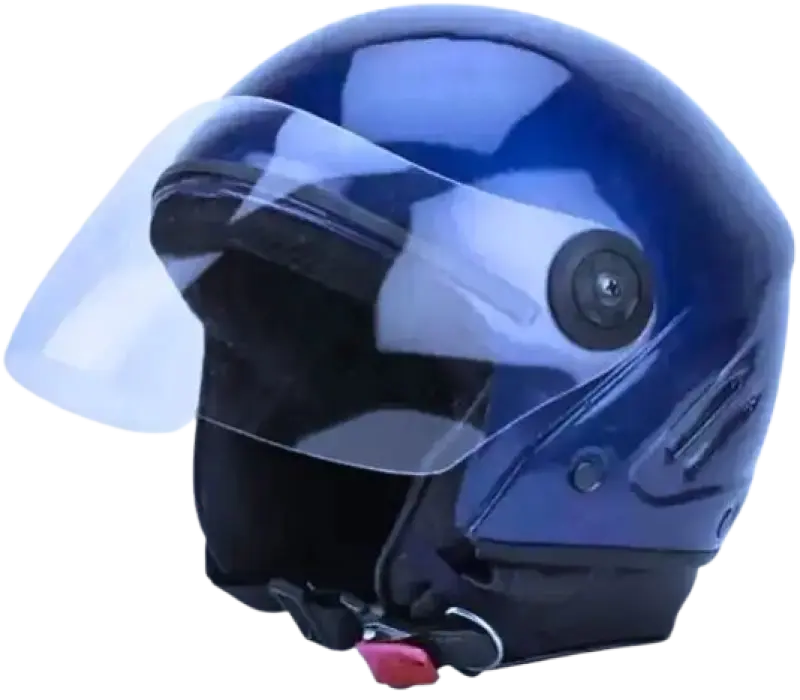
Helmets are designed with shock-absorbing layers, hard outer shells, and comfort padding to serve multiple roles:
| Function | Purpose |
|---|---|
| Disperses impact | Spreads the force over a wider area to reduce damage |
| Absorbs shock | Reduces how much force actually reaches your skull |
| Prevents penetration | Shields the head from sharp objects |
| Cushions movement | Prevents the brain from jostling violently within the skull |
This combination can reduce the risk of serious brain injury by up to 85%, according to global road safety reports.
For Riders, Cyclists, and Kids Alike
It’s not just motorcyclists who need helmets. Anyone using:
Bicycles
E-scooters
Skateboards
Hoverboards
Construction sites
Adventure sports (like rock climbing or horse riding)
...needs proper head protection. And for children, helmets are non-negotiable. Kids have softer skulls and a higher risk of falling due to their still-developing motor skills.
Common Excuses People Give—and Why They’re Risky
“I’m just going down the street.”
Accidents don’t wait for long rides.
“Helmets are uncomfortable.”
Modern helmets are lightweight, breathable, and designed for comfort.
“I look uncool.”
There’s nothing cool about a traumatic brain injury.
“I’ve been riding for years.”
Even expert riders can’t control other drivers or road conditions.
Let’s be honest: your brain deserves better than a careless excuse.
Real-Life Consequences: It’s Not Just About Headlines
Stories of survivors often have one common thread: “I was wearing my helmet.”
And those who didn’t? Many face years of rehabilitation, memory loss, or never get a second chance.
No one thinks they’ll be the one. Until they are.
Legal Angle: It's Not Just Health—It’s the Law
In India and many other countries, helmets are legally mandated for two-wheeler riders. Fines aside, insurance claims and compensation can also be denied in the absence of helmet use during an accident. So, it's not just health—it’s about responsibility and legal safety too.
The Smarter Habit: Make It a Non-Negotiable
Helmets should be treated like seat belts: mandatory, every time.
Choose ISI-marked helmets
Ensure a snug, secure fit
Replace after a strong impact, even if it looks fine
Encourage everyone around you to wear one
Conclusion: Don’t Leave Your Brain to Chance
A helmet isn’t just a piece of gear—it’s a commitment to your own safety, your family’s peace of mind, and your future.
Your brain is irreplaceable. Once it’s injured, no amount of money or time can undo the damage. So whether you’re heading out for a ride, a cycling session, or your child’s trip to school—wear that helmet. Every time.
It might just be the most important thing you ever wear.