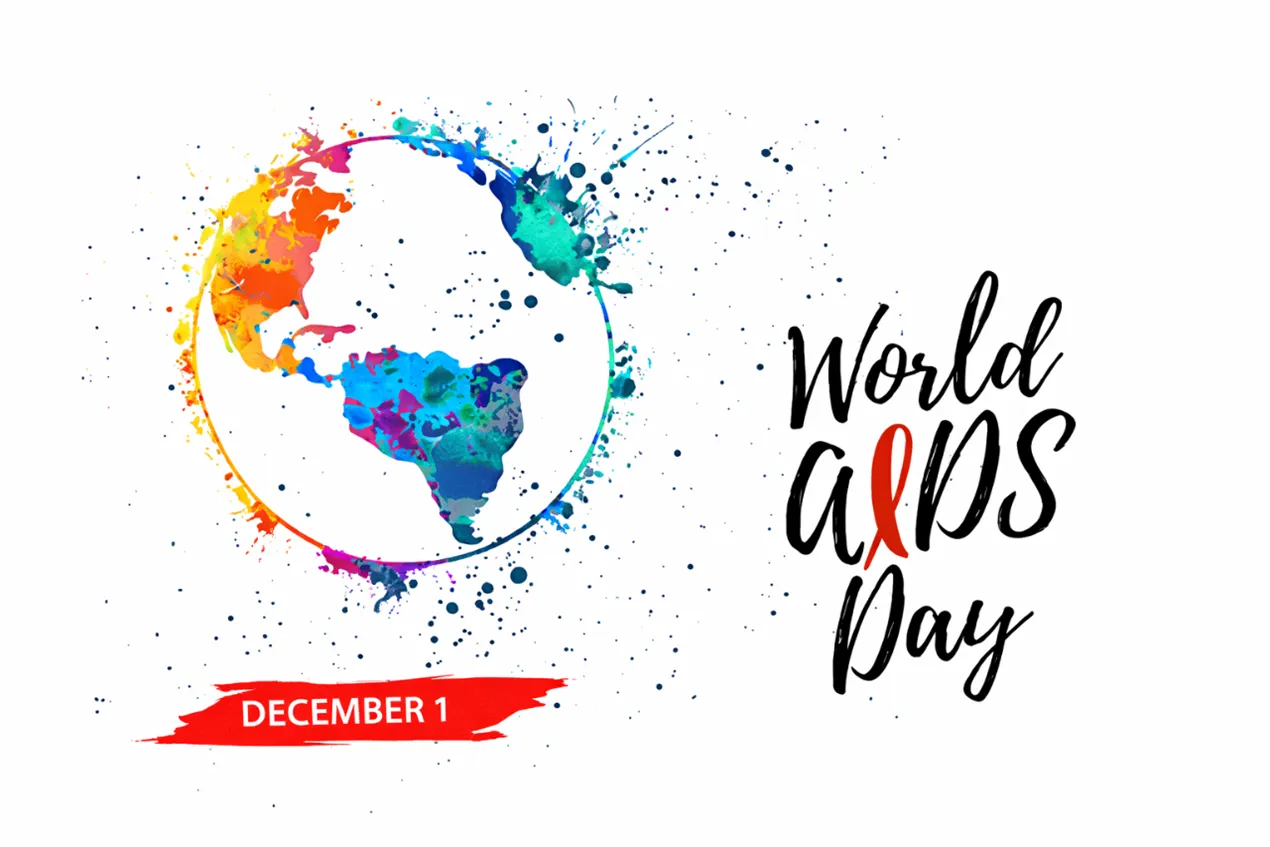
World AIDS Day reminds us that awareness is prevention, and
timely action can save lives.
What Is HIV and AIDS?
HIV (Human Immunodeficiency Virus) attacks the immune
system, specifically the CD4 (T) cells, which help the body fight infections.
Over time, untreated HIV weakens immunity.
AIDS (acquired immunodeficiency syndrome) is the most
advanced stage of HIV infection, where the immune system is severely
compromised and the body becomes vulnerable to serious infections and cancers.
Important: HIV is not a death sentence. With early diagnosis
and proper treatment, people living with HIV can lead long, healthy, and
productive lives.
Main Causes of HIV Infection
HIV spreads through specific body fluids such as blood,
semen, vaginal fluids, rectal fluids, and breast milk. The most common causes
include:
1. Unprotected Sexual Contact
Unprotected vaginal or anal sex with an HIV-positive partner
is the most common mode of transmission.
2. Sharing Needles or Syringes
Using contaminated needles for drug use, tattoos, or
unsterile medical procedures can transmit HIV.
3. Mother-to-Child Transmission
Without preventive treatment, HIV can pass from mother to
child during pregnancy, delivery, or breastfeeding.
4. Blood Transfusions (Rare Today)
Due to strict screening protocols, the risk from blood
transfusions is now extremely low.
Early Symptoms of HIV
Many people experience no symptoms at all in the early
stage, which is why HIV often goes undetected.
Possible early symptoms include:
- Fever
- Fatigue
- Sore
throat
- Swollen
lymph nodes
- Headache
- Skin
rashes
- Muscle
or joint pain
These symptoms often resemble common flu and may disappear
within a few weeks.
Symptoms of Advanced HIV (AIDS Stage)
If untreated, HIV progresses and symptoms may include:
- Rapid
weight loss
- Persistent
fever and night sweats
- Chronic
diarrhoea
- Extreme
fatigue
- Recurrent
infections
- Persistent
cough or breathlessness
- Oral
or skin infections
At this stage, medical intervention becomes critical.
Why HIV Often Goes Undiagnosed
Many people delay testing because:
- They
feel healthy and ignore mild symptoms
- Fear
of social stigma or discrimination
- Lack
of awareness about risk factors
- Limited
access to testing facilities
Late diagnosis not only harms the individual but also
increases the risk of unknowingly transmitting HIV to others.
How to Stay Clear of HIV
HIV prevention is possible with informed choices:
- Practice
safe sex and use condoms consistently
- Avoid
sharing needles, syringes, or sharp objects
- Get
tested regularly if sexually active or at risk
- Pregnant
women should undergo HIV screening
- Follow
medical guidance for preventive therapies if advised
Early testing and prevention are the strongest defences
against HIV.
Living with HIV: Hope and Treatment
Modern antiretroviral therapy (ART) can suppress HIV to
undetectable levels, allowing individuals to:
- Maintain
strong immunity
- Live
long and healthy lives
- Prevent
transmission to others
Early and consistent treatment changes lives.
Breaking the Stigma
HIV is a medical condition - not a moral judgment. Stigma and misinformation prevent people from seeking help. Compassion, education, and open conversations are essential to ending the HIV epidemic.
Is HIV the same as AIDS?
No. HIV is the virus, while AIDS is the advanced stage of
HIV when the immune system is severely damaged.
Conclusion
On this World AIDS Day, let us commit to spreading accurate information,
encouraging testing, and supporting those affected. Awareness reduces fear,
prevention saves lives, and compassion builds a healthier future for all.