Introduction :
A balanced diet for school-going children is the foundation of their physical growth, mental development, and academic performance. During the school years, children’s bodies and brains are growing rapidly, making it essential to provide the right mix of nutrients.
Parents often wonder how to ensure their kids eat healthy when faced with picky eating habits and busy schedules. The key is to focus on variety, moderation, and nutrient-rich foods that support both learning and play.
Why Balanced Diet is Important for School Children
Supports brain development for better concentration and memory.
Boosts immunity to fight infections and common illnesses.
Provides energy for active school days and sports activities.
Helps maintain healthy weight and prevents childhood obesity.
Essential Nutrients for School Children
Proteins – For muscle and tissue growth.
Sources: Eggs, milk, lentils, chicken, fish, beans.Carbohydrates – Primary source of energy.
Sources: Whole grains, rice, chapati, oats, fruits.Healthy Fats – For brain function and hormone production.
Sources: Nuts, seeds, avocado, olive oil.Vitamins & Minerals – For immunity and overall health.
Sources: Fresh vegetables, fruits, dairy, leafy greens.Water – To prevent dehydration and aid digestion.
Sample Balanced Diet Plan for a School Child
Breakfast: Whole wheat toast with peanut butter + banana + glass of milk
Mid-Morning Snack: Apple slices with a handful of almonds
Lunch: Chapati, vegetable curry, dal, salad, and curd
Evening Snack: Homemade vegetable sandwich or boiled corn
Dinner: Rice, chicken/fish/lentils, sautéed vegetables, and a fruit bowl
Tips to Ensure Kids Follow a Healthy Diet
Involve children in meal planning and cooking.
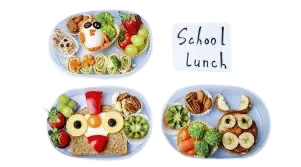
Make meals colorful and visually appealing.
Avoid processed snacks and sugary drinks.
Pack healthy school tiffins with variety.
Encourage regular meal times.
FAQs – Balanced Diet for School-Going Children
1. How many meals should a school child eat daily?
A child should have three main meals and two healthy snacks each day.2. Is milk necessary for school children?
Yes, milk provides calcium and protein essential for bone growth.3. How can I get my picky eater to eat vegetables?
Mix vegetables into parathas, sandwiches, or pasta to make them more appealing.4. Can I give my child supplements instead of a balanced diet?
Supplements can help in deficiencies but should not replace whole foods.5. What foods should be avoided for school children?
Limit sugary snacks, fried foods, and packaged drinks to maintain health.Conclusion
A balanced diet plan for school-going children ensures they grow healthy, perform well in academics, and stay active in sports. By offering nutrient-rich, delicious meals, parents can set the foundation for lifelong healthy eating habits.