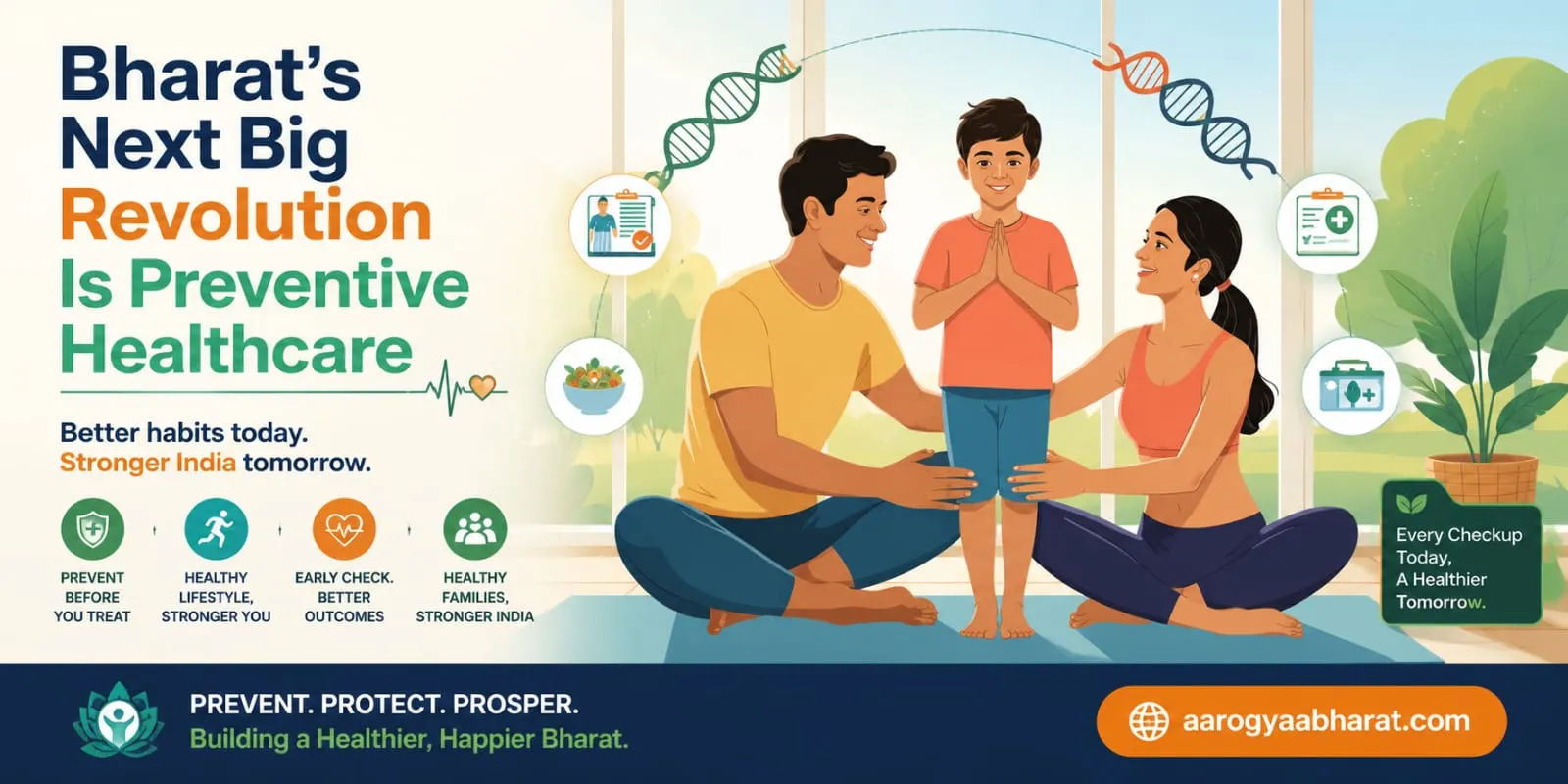
India’s Healthcare Focus Is Changing
For many years, healthcare systems across the world mainly
focused on treating diseases after people became seriously ill. However, India
is now entering a new phase where preventive healthcare is becoming one of the
biggest priorities for individuals, healthcare providers, businesses, and
policymakers. The future of healthcare in Bharat is no longer only about hospitals, surgeries, and
emergency treatment because the focus is gradually shifting toward early
detection, regular monitoring, fitness awareness, lifestyle improvement, and
disease prevention. Preventive healthcare is emerging as one of the strongest
healthcare revolutions that can improve quality of life, reduce healthcare
costs, and build a healthier nation under the vision of Viksit Bharat.
Preventive Healthcare Saves Lives Before Emergencies
Happen
One of the biggest advantages of preventive healthcare is
that it helps identify health risks before they become severe medical
conditions. Early diagnosis allows doctors and patients to manage diseases more
effectively while reducing complications, treatment costs, and long-term health
damage. Many serious illnesses such as diabetes, hypertension, heart disease,
respiratory disorders, obesity, and certain cancers can be managed better when
detected early through regular health checkups and diagnostics.
Preventive healthcare reduces the pressure on hospitals and emergency healthcare
systems because healthier populations require fewer critical medical
interventions. Saving lives before emergencies happen is becoming one of the
most important goals of modern healthcare systems.
Fitness and Wellness Are Becoming National Priorities
India is witnessing growing awareness around fitness,
exercise, nutrition, and healthy lifestyles because people increasingly
understand the connection between wellness and long-term health. Sedentary
lifestyles, unhealthy eating habits, stress, and lack of physical activity have
contributed to rising lifestyle diseases across the country. Preventive
healthcare encourages people to focus on daily wellness habits such as regular
exercise, balanced nutrition, sleep management, hydration, and mental well-being.
Fitness is no longer limited to athletes or gym culture because it is becoming
an essential part of maintaining overall health and productivity. A healthier
population creates a stronger workforce and a more productive nation.
Diagnostics Are Becoming More Important Than Ever
Diagnostic
healthcare is playing a major role in India’s preventive healthcare
revolution because early testing and health screening help identify diseases at
initial stages when treatment is easier and more effective. Blood tests,
imaging systems, cardiac monitoring, respiratory assessments, and preventive
screening programs are helping millions of people monitor their health
proactively. Diagnostics are no longer viewed only as hospital-based services because
portable testing devices, home diagnostics, and digital healthcare platforms
are making health monitoring more accessible than ever before. Regular
diagnostics support faster treatment decisions and help people take control of
their health before serious complications develop.
Wearable Devices Are Changing Health Monitoring
Wearable healthcare technology is becoming increasingly
popular in India because smartwatches, fitness bands, glucose monitoring
systems, heart rate trackers, oxygen saturation monitors, and sleep tracking
devices allow people to monitor their health continuously in real time. These
devices help individuals track fitness activity, stress levels, sleep quality,
heart health, and vital signs more efficiently. Continuous monitoring allows
people to recognize early warning signs and seek medical attention before
conditions become critical. Wearable devices are making preventive healthcare
more personalized, data-driven, and accessible for ordinary citizens.
Early Detection Improves Treatment Outcomes
One of the most important benefits of preventive healthcare
is early disease detection because identifying illnesses at early stages
significantly improves recovery rates and treatment success. Conditions such as
cancer, diabetes, cardiovascular disease, respiratory disorders, and
neurological conditions become more manageable when diagnosed early. Early
intervention also reduces hospitalization requirements, intensive care needs,
and long-term healthcare expenses for families. Healthcare systems that prioritize
early detection can improve patient outcomes while reducing the burden on
hospitals and emergency healthcare infrastructure. Preventive healthcare allows
healthcare providers to act before diseases become life-threatening.
Digital Healthcare Is Supporting Preventive Care
Technology is becoming a major driver of preventive
healthcare across India through telemedicine platforms, AI-powered healthcare
guidance systems, digital health records, remote patient monitoring, and
healthcare mobile applications. Patients can now access healthcare advice,
monitor chronic conditions, book preventive health checkups, and receive health
alerts through digital platforms. AI-powered healthcare tools can also help
identify risk patterns based on patient data and encourage timely medical consultations.
Digital healthcare systems are making preventive healthcare more organized,
accessible, and efficient for millions of people across urban and rural India.
Preventive Healthcare Reduces Healthcare Costs
Preventive healthcare not only improves health outcomes but
also reduces financial burden on families and healthcare systems because
treating diseases at early stages is usually less expensive than managing
critical conditions later. Hospitalizations,
surgeries, emergency treatments, ICU care, and long-term medications often
create major financial stress for families. Preventive healthcare helps reduce
these risks by encouraging regular monitoring, healthy lifestyles, and early
medical intervention. As preventive healthcare awareness increases, both
individuals and healthcare systems can manage healthcare resources more
effectively and sustainably.
Corporate Wellness Is Becoming More Important
Businesses and organizations are increasingly investing in
preventive healthcare and employee wellness programs because healthier
employees are more productive, focused, and engaged in their work. Corporate
wellness initiatives now include health screenings, fitness programs, mental
wellness support, ergonomic workplaces, stress management workshops, and
preventive healthcare consultations. Companies understand that employee health
directly impacts productivity, absenteeism, and long-term organizational growth.
Preventive healthcare is becoming an important part of workforce management and
economic development across India.
Mental Health Is a Key Part of Preventive Healthcare
Modern preventive healthcare also includes mental wellness
because stress, anxiety, burnout, and emotional health issues can significantly
affect physical health and overall quality of life. Mental health awareness is
gradually improving in India as people recognize the importance of emotional well-being
alongside physical fitness. Counseling services, wellness applications,
meditation platforms, stress management programs, and digital mental health
support systems are becoming more accessible. A balanced preventive healthcare
system focuses on both mind and body because long-term health depends on
emotional stability as well as physical wellness.
Preventive Healthcare Strengthens Rural India
Preventive healthcare has the potential to transform rural
healthcare across Bharat because early diagnosis, health awareness, portable
diagnostics, and telemedicine services can improve healthcare accessibility in
villages and underserved regions. Rural populations often face delays in
treatment due to limited healthcare infrastructure and transportation
challenges. Preventive healthcare programs, mobile health units, vaccination
drives, digital
diagnostics, and remote health monitoring systems can help detect diseases
earlier and reduce healthcare complications in rural communities. Strong
preventive healthcare systems create healthier rural populations and support
inclusive national development.
AI and Smart Healthcare Systems Will Drive the Future
Artificial
Intelligence and smart healthcare technologies are expected to play a
major role in India’s preventive healthcare future because AI can help analyze
health patterns, predict disease risks, support diagnostics, and provide
personalized healthcare recommendations. Smart healthcare systems connected
with wearable devices and digital health records may allow healthcare providers
to monitor patients continuously and intervene before serious complications
occur. Technology-driven preventive healthcare can improve healthcare efficiency
while helping people manage their health more proactively and independently.
Healthcare Awareness Is Growing Across India
Preventive healthcare becomes successful only when people
actively participate in maintaining their own health through awareness and
healthy lifestyle choices. Healthcare awareness campaigns, fitness education,
wellness programs, digital health content, and social media initiatives are
helping more Indians understand the importance of regular health monitoring and
disease prevention. Citizens are increasingly recognizing that health should
not be ignored until illness occurs. This growing awareness is creating a
cultural shift where preventive healthcare is becoming part of everyday life
rather than only a response to medical
emergencies.
The Future of Preventive Healthcare in Bharat
India’s healthcare future is expected to become increasingly
prevention-focused because rising healthcare awareness, digital healthcare
technologies, wearable devices, diagnostics, and wellness programs are
reshaping how people approach health management. Preventive healthcare systems
will likely become more personalized, technology-driven, and accessible across
the country. Schools, workplaces, hospitals, startups, and
digital healthcare platforms will continue encouraging healthier lifestyles and
regular health monitoring. Bharat’s next healthcare revolution will not only
focus on curing diseases but also on helping people stay healthier for longer
periods of time.
Conclusion
Preventive healthcare is becoming one of the most important healthcare revolutions shaping India’s future because it focuses on protecting health before medical emergencies occur. Through fitness awareness, diagnostics, wearable devices, digital healthcare systems, early detection, and healthy lifestyle habits, India is gradually moving toward a more proactive healthcare model. Preventive healthcare improves quality of life, reduces treatment costs, strengthens workforce productivity, and supports long-term national development. As Bharat moves toward the vision of Viksit Bharat, preventive healthcare will remain one of the strongest foundations for building a healthier, smarter, and more resilient nation.