Introduction: The New Face of Cardiac Arrest
Once considered a disease of the elderly or those with a known heart condition, cardiac arrest has now turned unpredictable. From teenagers to senior citizens, fitness freaks to sedentary workers, it’s hitting without discrimination.
You might wonder: How can someone with no symptoms, no family history, and a healthy lifestyle collapse from a cardiac arrest?
That’s the reality we face today. The growing number of such cases is not a coincidence—it’s a warning.
Let’s explore why cardiac arrest is no longer about age, genes, or weight—and how you can stay ahead of it.
What Is Cardiac Arrest?
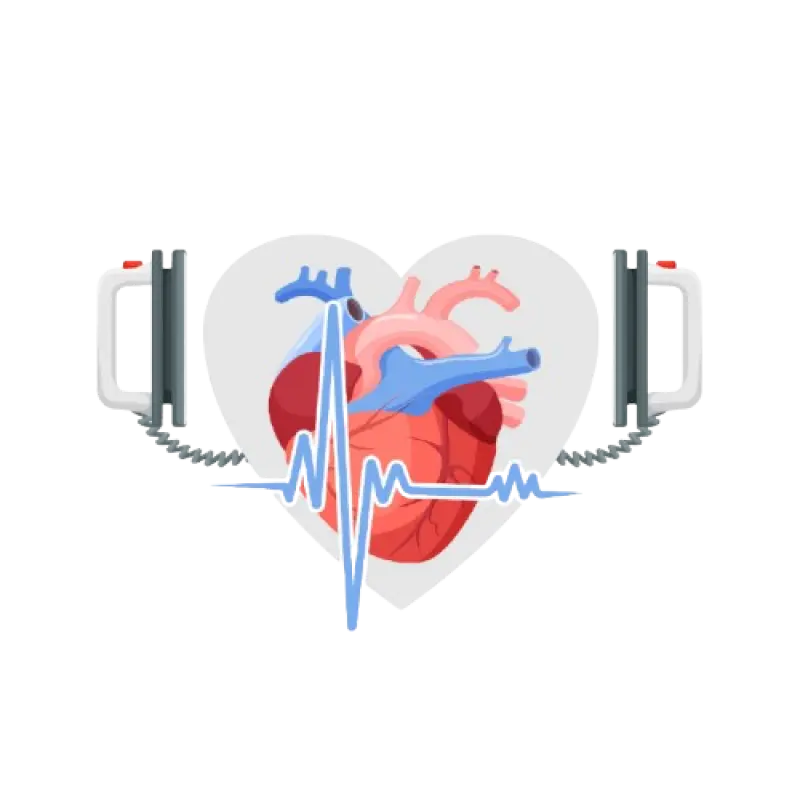
Cardiac arrest is a sudden, complete loss of heart function. It occurs when the heart's electrical system malfunctions, leading to an abnormal heartbeat (arrhythmia) and stopping blood flow to the brain and body.
Unlike a heart attack (caused by blocked arteries), cardiac arrest is electrical. It can happen without prior chest pain or discomfort—and can be fatal within minutes if not treated immediately.
It’s Not Just About History Anymore
1. Young, Active People Are Also Affected
Cases are rising of athletes, gym-goers, and even schoolchildren experiencing sudden cardiac arrest. Why? In some, there might be undiagnosed genetic conditions. But in many, stress, dehydration, supplement misuse, and overexertion play a role.
2. No Symptoms Doesn’t Mean No Risk
You could have normal reports, no smoking, and eat clean—yet still suffer cardiac arrest. This is often due to:
Electrical abnormalities in the heart (like Long QT Syndrome)
Viral infections causing silent inflammation of the heart (myocarditis)
Post-COVID complications
Sudden electrolyte imbalances (especially in athletes)
3. Lifestyle Without Habits Can Still Be Risky
Even people with no bad habits like alcohol or smoking are getting affected—why? Because lack of physical activity, prolonged screen time, poor sleep, and constant mental stress can still push your heart beyond its limit.
What Are the Hidden Risk Factors?
Here’s what’s quietly increasing your chances of cardiac arrest—even if you seem healthy:
Untreated high blood pressure
Irregular heartbeat (arrhythmia)
Stress & anxiety disorders
Undiagnosed diabetes
Chronic inflammation
Obstructive sleep apnea
Overconsumption of caffeine or energy drinks
Steroid misuse or performance enhancers
Cardiac Arrest in Children and Teens?
As shocking as it sounds, yes. There have been increasing reports of cardiac arrest in young children and adolescents, often due to:
Congenital heart defects
Viral myocarditis
Excessive screen exposure + inactivity
Unchecked asthma or respiratory issues
Dehydration during sports
Signs That Must NOT Be Ignored
You don’t need to have a heart disease history to notice these:
Sudden fatigue or fainting during activity
Heart palpitations or skipped beats
Lightheadedness or shortness of breath
Nausea or chest discomfort without obvious reason
Swelling in legs or unexpected weight gain (can indicate fluid retention)
Even a slight abnormal feeling in the chest or head during a workout or stressful situation shouldn’t be brushed off.
Prevention: What You Can Do at Any Age
Whether you’re 16 or 60, here’s how you can reduce your risk:
Go for Annual Heart Screenings
Even if you feel healthy, get a routine ECG, BP, and cholesterol check. Include stress tests or echocardiograms if there's a family history.
Maintain an Active Lifestyle
Simple walking, yoga, or 30-minute light cardio 5 days a week can help strengthen your heart.
Don’t Overdo Workouts
Heavy lifting without supervision, excessive cardio without hydration, or overtraining can backfire. Listen to your body.
Eat for Your Heart
Avoid junk, fried, and excessively salty foods. Embrace fruits, veggies, sprouts, millets, cold-pressed oils, and hydrating foods.
Stress Management Isn’t Optional
Practice mindfulness, sleep well, and take regular mental breaks from screens and pressure.
Avoid Self-Medication & Supplements
Many OTC fat burners, protein powders, and gym supplements have hidden stimulants that can affect heart rhythm.
Conclusion: A Wake-Up Call, Not Just a Statistic
Cardiac arrest is no longer “somebody else’s problem.” It has quietly become a universal risk—regardless of age, fitness, or family history.
But the good news is, you can fight back. With awareness, timely checkups, and small lifestyle changes, you can greatly reduce your risk of sudden cardiac issues.
Your heart doesn’t ask if you’re young, rich, or healthy. It just wants to be treated right.
Start today. Because silence from your heart might be the loudest wake-up call you ever receive.