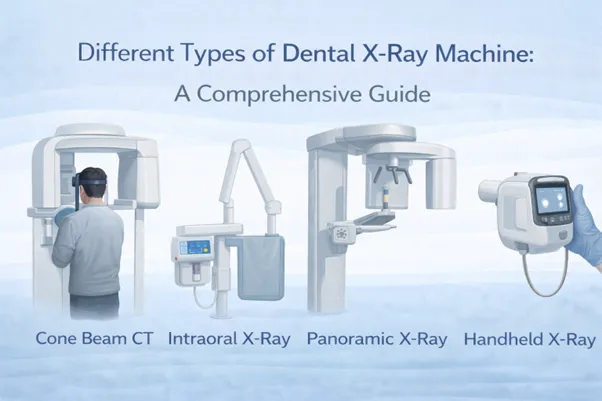
Over the years, dental X-ray technology has evolved
significantly. Today, dentists and clinic owners can choose from multiple types
of dental X-ray machines, each designed for specific diagnostic needs, patient
volumes, and treatment specialties. However, this variety also makes selection
confusing especially for new clinics or expanding practices.
At Aarogyaa Bharat, we help dental professionals understand
medical equipment beyond brochures and sales pitches. This in-depth guide
explains all types of dental X-ray machines, their working principles,
applications, advantages, limitations, and ideal use cases, helping you choose
the right system for your practice.
Why Understanding Dental X-Ray Types Is Important
Not all dental X-ray machines serve the same purpose.
Choosing the wrong type can lead to:
- Inadequate
diagnostic information
- Unnecessary
radiation exposure
- Workflow
inefficiencies
- Increased
costs
- Limited
treatment capabilities
Understanding the different types of dental X-ray machines
ensures:
- Accurate
diagnosis
- Better
patient outcomes
- Optimized
clinic operations
- Long-term
return on investment
types of dental x-ray machine
Broad Classification of Dental X-Ray Machines
Dental X-ray machines are broadly classified into two main
categories:
- Intraoral
Dental X-Ray Machines
- Extraoral
Dental X-Ray Machines
Each category serves distinct diagnostic purposes.
1. Intraoral Dental X-Ray Machines
Intraoral X-ray machines capture images inside the patient’s
mouth. They are the most commonly used dental imaging systems and form the
foundation of routine dental diagnosis.
Key Characteristics
- Small
imaging area
- High
image resolution
- Low
radiation dose
- Cost-effective
Best for: General dentistry and routine diagnostics
Types of Intraoral Dental X-Rays
a) Bitewing X-Ray Machine
Purpose:
- Detects
cavities between teeth
- Monitors
bone loss due to gum disease
Commonly Used For:
- Preventive
dental check-ups
- Early-stage
caries detection
Advantages:
- High
diagnostic accuracy
- Minimal
radiation exposure
Limitations:
- Does
not show full tooth root
bitewing dental x-ray
b) Periapical X-Ray Machine
Purpose:
- Captures
the entire tooth from crown to root tip
Used For:
- Root
canal planning
- Abscess
detection
- Tooth
fractures
Advantages:
- Detailed
root and bone imaging
Limitations:
- Small
field of view
periapical dental x-ray
c) Occlusal X-Ray Machine
Purpose:
- Captures
larger sections of the jaw
Used For:
- Impacted
teeth
- Jaw
fractures
- Developmental
abnormalities
Advantages:
- Wide
coverage
Limitations:
- Less
detailed than periapical
occlusal dental x-ray
Intraoral Dental X-Ray Imaging
2. Extraoral Dental X-Ray Machines
Extraoral X-ray machines capture images from outside the
mouth. These systems are essential for advanced dental treatments and
comprehensive jaw analysis.
Best for: Orthodontics, implantology, oral surgery
a) Panoramic Dental X-Ray Machine (OPG)
What It Captures:
- Entire
mouth in a single image
- Upper
and lower jaws
- Teeth,
sinuses, TMJ
Applications:
- Impacted
wisdom teeth
- Jaw
disorders
- Treatment
planning
Advantages:
- Broad
anatomical overview
- Quick
imaging
Limitations:
- Less
fine detail than intraoral X-rays
panoramic dental x-ray machine
b) Cephalometric X-Ray Machine
Purpose:
- Side-view
skull imaging
Used In:
- Orthodontic
treatment planning
- Facial
growth assessment
Advantages:
- Essential
for braces and aligners
Limitations:
- Limited
to orthodontic use
cephalometric dental x-ray
c) Cone Beam Computed Tomography (CBCT)
What It Provides:
- 3D
imaging of teeth, bone, and nerves
Used For:
- Dental
implants
- Complex
surgeries
- TMJ
evaluation
Advantages:
- Highly
detailed 3D views
- Precise
measurements
Limitations:
- Higher
cost
- Requires
more space
CBCT dental x-ray machine
Extraoral & CBCT Dental Imaging
Analog vs Digital Dental X-Ray Machines
Another important classification is based on image
acquisition technology.
Analog Dental X-Ray Machines
- Use
photographic film
- Require
chemical processing
- Higher
radiation exposure
Digital Dental X-Ray Machines
- Use
sensors (CCD/CMOS or PSP)
- Instant
image viewing
- Lower
radiation dose
- Easy
storage and sharing
|
Feature |
Analog |
Digital |
|
Radiation |
Higher |
Lower |
|
Image Speed |
Slow |
Instant |
|
Storage |
Physical |
Digital |
|
Long-Term
Cost |
High |
Lower |
Digital dental X-ray machines are now the global standard.
Portable vs Fixed Dental X-Ray Machines
Portable Dental X-Ray Machines
- Lightweight
- Useful
in mobile clinics
- Ideal
for bedside or emergency use
Fixed Dental X-Ray Machines
- Wall-mounted
or floor-mounted
- Higher
stability
- Better
image consistency
portable dental x-ray machine
Choosing the Right Type of Dental X-Ray Machine
The ideal choice depends on:
- Type
of dental practice
- Range
of treatments offered
- Patient
volume
- Available
clinic space
- Budget
and expansion plans
General clinics may start with intraoral digital systems,
while advanced practices benefit from panoramic and CBCT machines.
Radiation Safety Across Different X-Ray Types
Modern dental X-ray machines:
- Use
low-dose radiation
- Follow
ALARA principles (As Low As Reasonably Achievable)
- Require
proper shielding and training
Ensuring the right machine type helps minimize unnecessary
exposure.
Future Trends in Dental X-Ray Technology
- AI-powered
diagnostics
- Ultra-low
radiation imaging
- Cloud-based
image management
- Integrated
dental software ecosystems
Dental imaging is moving toward precision, automation, and safety.
Conclusion
Understanding the different types of dental X-ray machines
is essential for building a safe, efficient, and future-ready dental practice.
Each system whether intraoral, panoramic, or CBCT serves a unique diagnostic
purpose.
At Aarogyaa Bharat we recommend choosing dental X-ray
equipment based on clinical need, patient safety, and long-term growth, not
just initial cost.