Understanding Deep Vein Thrombosis and Why Circulation
Therapy Is Important
Deep Vein Thrombosis occurs when blood clots form in deep
veins, usually in the legs, due to reduced movement, surgery, long hospital
stays, or certain medical conditions that slow blood circulation, and when
blood flow becomes sluggish it increases the risk of clot formation that may
lead to swelling, pain, or serious complications if untreated, which is why
circulation therapy devices such as DVT pump machines are widely recommended
because they provide intermittent compression that mimics natural muscle movement,
helping push blood back toward the heart and preventing stagnation in the
veins, making them an essential preventive tool for patients who spend extended
periods in bed or have limited mobility.
What Is a DVT Pump Machine and How Does It Work
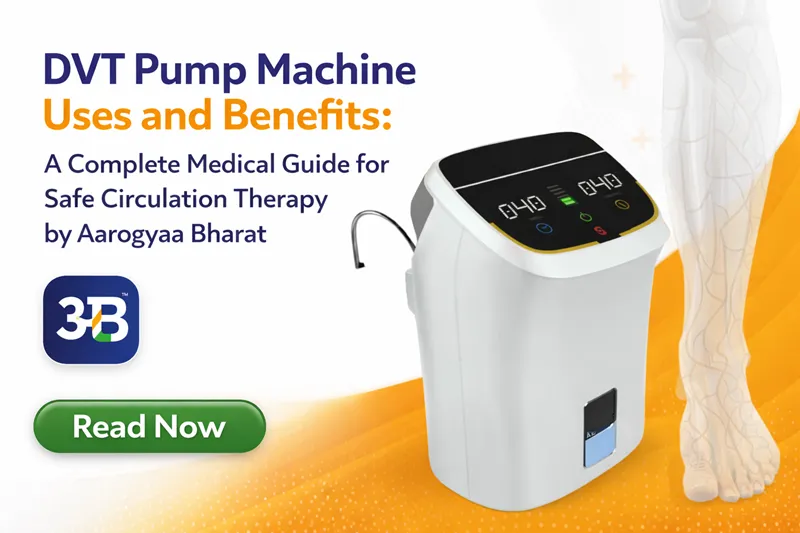
A DVT pump machine is a medical device that uses air
compression technology to inflate and deflate sleeves or cuffs placed around
the legs or feet, creating rhythmic pressure that stimulates blood flow and
reduces the chances of clot formation, and this controlled compression improves
venous return while also supporting lymphatic drainage, helping reduce swelling
and discomfort caused by fluid buildup, and because the machine operates in
cycles it closely replicates the body’s natural muscle contractions during
walking, making it especially beneficial for post-surgery patients, elderly
individuals, and those recovering from neurological conditions.
Medical Uses of DVT Pump Machines in Hospitals and Home
Care
DVT pump machines are commonly used after orthopaedics
surgeries such as knee replacement or hip replacement, during long-term ICU
stays, and for patients recovering from stroke or spinal injuries because these
conditions often limit movement and increase the risk of blood clots, and
doctors also recommend DVT pumps for individuals with chronic venous
insufficiency or severe swelling in the legs, as the gentle compression therapy
helps maintain circulation without requiring physical exertion, allowing patients
to receive continuous support even while resting or sleeping.
Benefits of Using a DVT Pump Machine for Circulation
Therapy
One of the primary benefits of DVT pump machines is improved
blood circulation, which helps reduce swelling, prevent clot formation, and
promote faster healing after surgery or injury, and consistent use of
compression therapy also reduces discomfort associated with fluid retention
while enhancing oxygen delivery to tissues, supporting overall recovery and
reducing the risk of complications such as pulmonary embolism, making these
devices an important part of preventive care in both clinical and home rehabilitation
settings.
Table: Key Uses of DVT Pump Machines
|
Use Case |
Purpose |
Patient
Benefit |
|
Prevent blood
clots |
Improves
circulation |
|
|
ICU &
Bedridden Patients |
Reduce venous
stasis |
Prevents
swelling |
|
Stroke
Rehabilitation |
Enhance blood
flow |
Supports
mobility recovery |
|
Chronic
Venous Issues |
Improve
circulation |
Reduces leg
discomfort |
|
Prevent clot
risk |
Enhances
safety |
How DVT Pumps Support Faster Recovery After Surgery
After major surgeries, patients often experience reduced
mobility that slows circulation and increases clot risk, and DVT pump machines
help counteract this by creating gentle pressure waves that encourage blood
movement through the veins, reducing the strain on the cardiovascular system
while promoting faster healing, and regular use during recovery can help
patients regain comfort, minimize swelling, and improve overall rehabilitation
outcomes by maintaining consistent circulation even during rest periods.
Role of DVT Pump Machines in Home Healthcare with
Aarogyaa Bharat
With the rise of home healthcare in India, many families are
choosing DVT pump machines to support recovery outside hospital environments,
allowing patients to continue preventive circulation therapy safely at home,
and Aarogyaa Bharat provides reliable medical equipment designed to deliver
professional-grade compression therapy that is easy to use, comfortable, and
suitable for long-term care, helping caregivers manage recovery routines with
confidence while ensuring patient safety and convenience.
Table: Benefits of DVT Pump Machines Compared to Manual
Movement Therapy
|
Feature |
DVT Pump
Machine |
Manual
Exercises |
|
Consistency |
Continuous
compression cycles |
Depends on
patient effort |
|
Safety |
Controlled
pressure levels |
Risk of
improper movement |
|
Comfort |
Gentle
rhythmic therapy |
May cause
fatigue |
|
Convenience |
Works during
rest |
Requires
supervision |
|
Recovery
Support |
Improves
circulation steadily |
Limited
duration benefits |
Psychological and Comfort Benefits for Patients Using DVT
Pumps
Beyond physical recovery, DVT pump machines also provide
psychological comfort because patients feel reassured knowing that circulation
therapy continues even when they are unable to move actively, reducing anxiety
associated with prolonged bed rest or post-surgical recovery, and the gentle
compression sensation often provides a relaxing effect that improves overall
comfort, encouraging better rest and a more positive recovery experience.
Safety Guidelines and Precautions When Using a DVT Pump
Machine
Although DVT pump machines are generally safe, they should
be used under medical guidance to ensure correct pressure settings and proper
placement of compression sleeves, and patients should avoid excessive tightness
or prolonged use beyond recommended durations while monitoring for signs of
discomfort, skin irritation, or unusual swelling, ensuring that therapy remains
effective and safe throughout the recovery process.
Aarogyaa Bharat - Supporting Safe Recovery with Trusted
Medical Equipment
Aarogyaa Bharat is committed to providing high-quality
medical and rehabilitation solutions that support safe home healthcare,
offering reliable DVT pump machines designed to improve circulation, reduce
swelling, and enhance recovery outcomes while ensuring comfort and ease of use
for patients and caregivers alike.
Conclusion
DVT pump machines play a critical role in modern healthcare
by improving circulation, preventing blood clots, and supporting faster
recovery for patients with limited mobility or post-surgical needs, and their
ability to provide consistent, gentle compression therapy makes them an
essential tool for hospitals, rehabilitation centers, and home-care
environments, helping individuals regain comfort, reduce complications, and
achieve safer long-term recovery with the support of trusted solutions from
Aarogyaa Bharat.