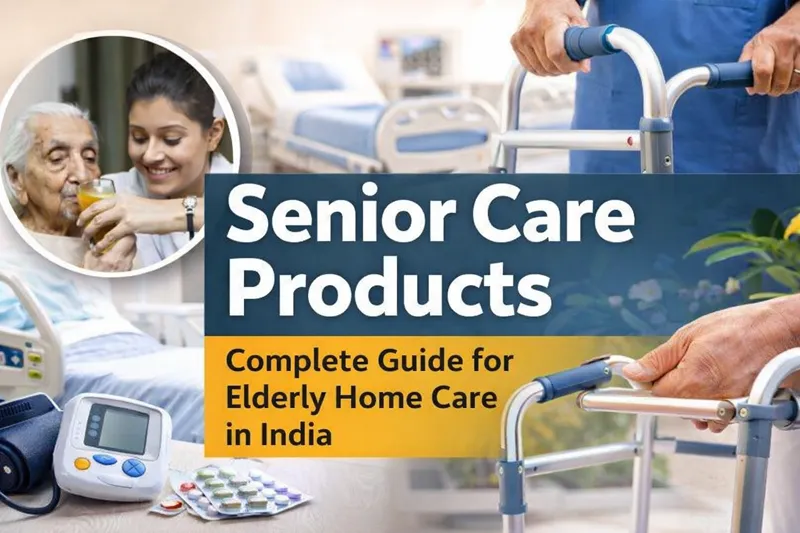
Understanding Elderly Home Care Needs in the Indian
Context
Elderly care in India is shaped by a unique combination of
cultural values, housing structures, and health patterns. Aging often brings
gradual physical changes such as weakened muscles, joint pain, reduced balance,
slower reflexes, and declining vision or hearing. Many seniors also live with
chronic conditions like diabetes, hypertension, arthritis, respiratory
disorders, or neurological issues that require daily attention. Indian homes
add another layer of complexity with slippery tile floors, narrow bathrooms,
squat toilets, uneven door thresholds, and limited space for movement. Senior
care products help bridge the gap between these physical limitations and
everyday living by adapting the home environment to the needs of the elderly.
Instead of forcing seniors to adjust to unsafe surroundings, these products
allow homes to evolve into supportive, safer spaces that promote independence
while reducing caregiver stress.
Mobility Support Products for Safe Movement at Home
Mobility challenges are among the most common issues faced
by elderly individuals and often lead to fear, isolation, and dependency if not
addressed properly. Mobility support products such as walking sticks, quad
canes, walkers, rollators, and wheelchairs are designed to provide stability,
balance, and controlled movement. These aids help seniors move safely between
rooms, transition from sitting to standing, and walk short or moderate
distances without fear of falling. In Indian homes where space is often
limited, compact and foldable mobility aids are particularly valuable.
Consistent use of the right mobility product not only reduces fall risk but
also restores confidence, encourages light physical activity, and helps seniors
remain engaged in daily routines rather than feeling confined to a single
space.
Bathroom Safety and Toileting Support Products
Bathrooms are widely recognized as the most dangerous area
in the home for elderly individuals, especially in Indian households where wet
floors, low toilet heights, and lack of grab support are common.
Bathroom-related senior care products such as commode chairs, raised toilet
seats, grab bars, shower chairs, anti-slip mats, and bedside commodes
significantly reduce the risk of falls and injuries. These products eliminate
the need for squatting, excessive bending, or long walks to the toilet,
particularly at night. Toileting support products are not just about physical
safety; they also protect privacy and dignity by allowing seniors to manage
personal hygiene independently. For elderly individuals with weak knees,
balance problems, or post-surgical recovery needs, bathroom safety products
often become the most essential part of home care.
Bed and Bedroom Support Products for Comfort and Recovery
As seniors age or recover from illness, they spend more time
resting, making bed and bedroom safety a critical aspect of elderly home care.
Bed support products such as adjustable hospital beds, semi-fowler beds,
pressure-relief mattresses, bed rails, backrests, wedge pillows, and bed
ladders are designed to support posture, comfort, and safe movement. These
products help seniors sit up easily, change sleeping positions, and get in and
out of bed without strain or assistance. They are particularly important for
bedridden seniors, post-surgery patients, and individuals at risk of pressure
sores. A properly supported bed setup improves sleep quality, breathing
comfort, circulation, and overall recovery while also reducing physical effort
and injury risk for caregivers during repositioning and transfers.
Daily Living Aids That Support Independence
Daily Living Aids, also known as ADL products, assist
elderly individuals with routine activities that often become difficult with
age. These include eating, dressing, grooming, and reaching everyday objects.
Products such as non-slip feeding cups, adaptive cutlery, plate guards,
long-handled reaches, button hooks, dressing sticks, shoe horns, and magnifying
glasses may appear simple, but they have a significant impact on independence.
For seniors with arthritis, tremors, weak grip strength, or limited flexibility,
these aids allow them to perform daily tasks without constant help. In the
Indian context, daily living aids play a crucial emotional role by preserving
self-respect and reducing the frustration that comes from relying on others for
basic personal activities.
Health Monitoring and Medical Support Devices at Home
Chronic health conditions are common among Indian seniors,
making regular health monitoring an essential part of elderly home care.
Medical support devices such as digital blood pressure monitors, glucometers,
pulse oximeters, thermometers, nebulizers, oxygen concentrators, and weighing
scales enable families to track vital health parameters at home. Regular
monitoring helps detect early warning signs, supports timely medical
intervention, and reduces unnecessary hospital visits. After the COVID-19 pandemic,
respiratory monitoring and oxygen support have become especially important for
elderly individuals. Home-based medical devices empower families to manage
senior health proactively, providing reassurance and continuity of care between
doctor visits.
Rehabilitation and Therapy Equipment for Long-Term
Strength
Rehabilitation is not limited to recovery after surgery or
injury; it is also essential for maintaining strength, flexibility, and
mobility in older age. Rehabilitation products such as pedal exercisers,
resistance bands, hand exercisers, balance trainers, posture correctors, and
physiotherapy tools support gentle daily exercise routines. Regular use of
these products helps improve circulation, joint movement, muscle tone, and
coordination when guided by healthcare professionals. In Indian homes, compact
rehabilitation equipment allows seniors to continue therapy without frequent
clinic visits, making long-term physical maintenance more practical and
consistent. These tools play a key role in slowing physical decline and
supporting active aging.
Fall Prevention and Home Safety Products
Preventing falls is one of the most important goals of
senior care, as even a minor fall can result in fractures, long recovery
periods, or permanent loss of mobility. Fall prevention products such as
anti-slip mats, non-skid footwear, night lamps, motion sensor lights, corner
guards, bed alarms, and well-lit walking paths help reduce accident risks
throughout the home. These products improve visibility, stabilize movement, and
minimize hazards in frequently used areas. In Indian households, combining basic
home modifications with fall prevention products creates a safer environment
that protects seniors and provides peace of mind to family members.
Major Senior Care Product Categories and Their Use
|
Product
Category |
Common
Examples |
Primary
Purpose |
|
Mobility
Support |
Walkers,
canes, wheelchairs |
Safe movement
and balance |
|
Bathroom
Safety |
Commode
chairs, grab bars |
Fall
prevention and hygiene |
|
Bed Support |
Hospital
beds, bed rails |
Comfort and
safe transfers |
|
Daily Living
Aids |
Feeding cups,
reaches |
Independent
daily activities |
|
Health
Monitoring |
BP monitors,
glucometers |
Chronic
disease management |
|
Rehabilitation |
Pedal
exercisers, bands |
Strength and
recovery |
|
Safety
Products |
Anti-slip
mats, night lights |
Accident
prevention |
Choosing the Right Senior Care Products for Indian Homes
Choosing the right senior care products requires a
thoughtful assessment of the elderly person’s physical condition, medical
needs, and living environment. Factors such as balance, strength, vision,
chronic illnesses, and mobility limitations should guide product selection.
Indian homes often have space constraints, making product size, foldability,
and ease of storage important considerations. Quality and safety should always
be prioritized over low cost, as senior care products are used daily and directly
impact health and safety. Consulting doctors, physiotherapists, or home care
specialists before purchasing advanced equipment ensures that the chosen
products meet both current and future needs.
Senior Conditions and Recommended Home Care Products
|
Elderly
Condition |
Suggested
Senior Care Products |
|
Balance
problems |
Walker, grab
bars, anti-slip mats |
|
Bedridden |
Hospital bed,
mattress, bedside commode |
|
Arthritis |
Raised toilet
seat, backrest, walker |
|
Post-surgery |
Wheelchair,
commode chair, bed rail |
|
Respiratory
issues |
|
|
Vision
decline |
Night lights,
magnifiers |
|
Living alone |
Emergency
alarms, motion sensor lights |
Emotional and Psychological Benefits of Senior Care
Products
Senior care products support not only physical health but
also emotional and psychological well-being. Elderly individuals often struggle
with feelings of dependency, fear of accidents, and anxiety about becoming a
burden on family members. When seniors can safely manage daily activities on
their own, their confidence and self-esteem improve significantly. Families
also experience reduced stress knowing their loved ones are safer at home. A
thoughtfully designed home care setup fosters positive aging by combining
physical safety with emotional reassurance and independence.
Conclusion
Senior care products are essential tools that enable elderly
individuals to age safely, comfortably, and with dignity in their own homes. In
India’s evolving family structure, home-based elderly care supported by the
right products offers a practical and compassionate alternative to
institutional care. By understanding senior needs and selecting appropriate
mobility aids, bathroom safety products, health monitoring devices,
rehabilitation tools, and fall prevention solutions, families can create a
secure home environment that supports long-term well-being. Investing in the
right senior care products today leads to improved health outcomes, reduced
caregiver burden, and a higher quality of life for elderly loved ones.