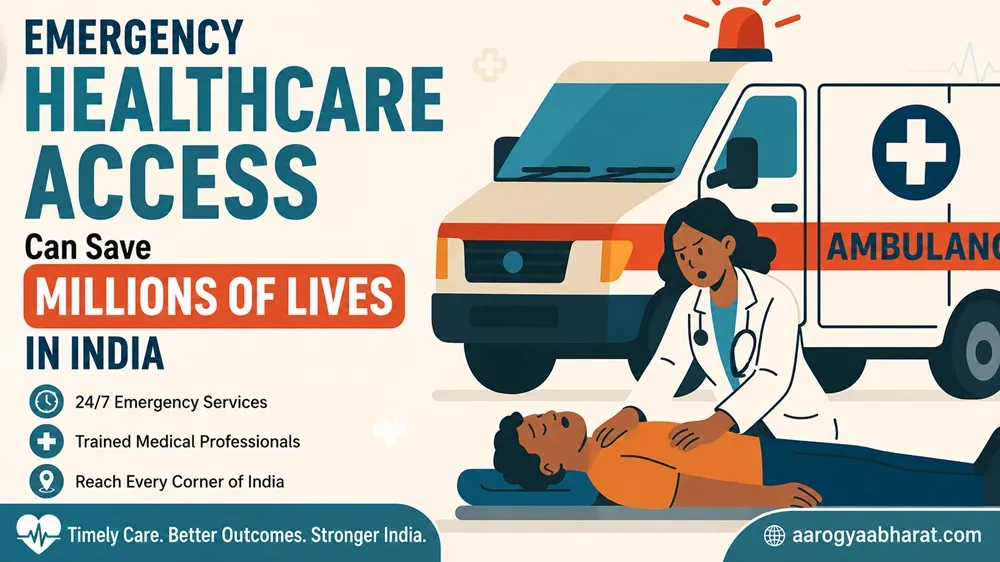
A Strong Nation Needs Strong Emergency Healthcare
India is moving toward the vision of Viksit Bharat, where
healthcare accessibility and medical infrastructure play a major role in
national development. One of the biggest lessons learned in recent years is the
importance of emergency healthcare access. During medical emergencies, every
second matters, and quick access to oxygen
support, ICU beds, wheelchairs,
patient monitoring systems, rehabilitation devices, and life-saving medical
equipment can make the difference between life and death. Emergency
healthcare is not only about hospitals but
also about ensuring that every citizen, whether living in a metro city or a
rural village, has access to essential medical support when needed. A developed
India requires a healthcare system that is fast, accessible, affordable, and
prepared for emergencies at every level.
Why Emergency Healthcare Access Matters
Medical emergencies can happen anytime, including road
accidents, heart attacks, respiratory illnesses, strokes, infections, and
chronic diseases that require immediate medical attention. In many situations,
delayed treatment increases the risk of complications and mortality. Emergency
healthcare access ensures that patients receive timely care, faster
diagnosis, oxygen
support, emergency transportation, and critical treatment without
unnecessary delays. This accessibility becomes even more important in a country
like India, where population density and healthcare demand continue to grow
rapidly. Timely healthcare support not only saves lives but also reduces the
long-term burden on families and healthcare systems by improving recovery rates
and minimizing complications.
Oxygen Support Can Save Critical Patients
One of the most essential emergency healthcare requirements
is oxygen availability because patients suffering from respiratory conditions,
pneumonia, asthma, COPD, or critical infections often require immediate oxygen
support. The importance of oxygen infrastructure became highly visible during
healthcare emergencies when demand increased rapidly across the country. Access
to oxygen
concentrators, cylinders,
and centralized oxygen systems helps hospitals and
healthcare centers manage critical patients more effectively, while portable
oxygen systems also support home healthcare services for elderly and chronic
respiratory patients. Improving oxygen availability across hospitals, clinics,
ambulances, and rural healthcare centers is crucial for strengthening India’s
emergency healthcare system and saving millions of lives during emergencies and
disasters.
ICU Beds and Critical Care Infrastructure
Intensive Care Units are the backbone of emergency
healthcare systems because critically ill patients often require constant
monitoring, ventilator support, and specialized medical care. A shortage of ICU
beds can delay treatment and increase mortality rates during emergencies.
Expanding ICU infrastructure across India is essential for improving emergency
response capabilities, especially when modern ICUs are equipped with advanced
patient monitoring systems, ventilators, infusion pumps, and emergency medical
devices that help doctors provide better care to critical patients. Along with
large hospitals, smaller healthcare centers and district hospitals also require
improved critical care infrastructure so that equal healthcare access can reach
semi-urban and rural populations as well.
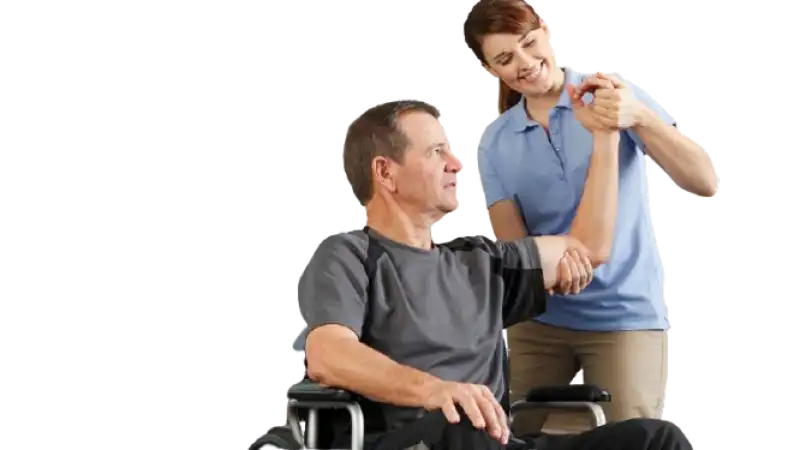
Wheelchairs and Mobility Support Improve Patient Care
Wheelchairs are one of the most basic yet essential
healthcare support devices because they help elderly patients, accident
victims, disabled individuals, and post-surgery patients move safely and
comfortably. Lack of wheelchairs and patient transport systems can create
unnecessary difficulties during emergencies and hospital care. Hospitals,
rehabilitation centers, airports, railway stations, and public healthcare
facilities should maintain sufficient mobility support systems to improve
patient dignity, reduce caregiver burden, and support faster recovery. Modern
healthcare systems must focus not only on treatment but also on accessibility,
patient comfort, and rehabilitation support to create a more patient-friendly
healthcare environment.
Rehabilitation Devices and Recovery Support
Emergency healthcare does not end after immediate treatment
because many patients require rehabilitation support after surgery, injury,
stroke, or prolonged illness. Rehabilitation devices such as walkers, patient
lifts, physiotherapy equipment, hospital beds, and mobility
aids help patients recover more effectively by improving physical strength,
mobility, independence, and overall quality of life. Rehabilitation services
are especially important for elderly patients and individuals recovering from
critical illnesses, and as India’s healthcare system evolves, rehabilitation
care must become more accessible and affordable for every section of society to
ensure long-term patient wellness and sustainable healthcare development.
Emergency Medical Equipment Strengthens Healthcare
Systems
Modern emergency healthcare depends heavily on
advanced medical
equipment such as patient monitors, defibrillators, ventilators,
suction machines, infusion pumps, ECG systems, and portable diagnostic devices
that help healthcare professionals respond quickly during critical situations.
Healthcare technology improves patient monitoring, enables faster diagnosis,
and supports timely treatment decisions, especially in ambulances, rural
clinics, and home healthcare settings. The availability of reliable medical
equipment across healthcare facilities strengthens emergency preparedness,
improves treatment quality, and supports the overall healthcare infrastructure
needed for building a healthier and stronger India.
Rural Healthcare Access Is Equally Important
A major healthcare challenge in India is the gap between
urban and rural healthcare infrastructure because many villages still face
shortages of hospitals,
emergency transportation, oxygen systems, and critical medical equipment.
During emergencies, patients often travel long distances to access treatment,
which can significantly delay medical care. Improving rural healthcare
infrastructure through mobile healthcare services, telemedicine platforms,
digital diagnostics, and portable medical devices can help bridge this gap and
ensure that healthcare support reaches millions of underserved people across
India. Inclusive healthcare development is essential for achieving the vision
of Viksit Bharat.
Home Healthcare Is Becoming More Important
Home healthcare services are rapidly growing in India as
many patients now prefer receiving medical support at home, especially elderly
individuals and patients recovering after hospitalization. Home healthcare
reduces hospital overcrowding and provides patients with greater comfort and
convenience. Medical
equipment such as oxygen
concentrators, hospital
beds, wheelchairs,
BiPAP systems, and patient monitoring devices are increasingly being used in
home settings, making healthcare more flexible and accessible for families
across India. The growth of home healthcare services also supports faster
recovery, reduces healthcare costs, and strengthens India’s overall emergency
healthcare infrastructure.
Technology and Digital Healthcare in Emergencies
Technology is transforming emergency healthcare across India
through telemedicine services, digital patient records, AI-based diagnostics,
GPS-enabled ambulances, and remote monitoring systems that improve healthcare
accessibility and efficiency. Digital healthcare platforms help patients
connect with doctors quickly during emergencies, especially in remote locations
where healthcare facilities are limited. Real-time healthcare data and faster
communication systems improve coordination between hospitals, ambulances, and
healthcare providers, making emergency response systems more effective.
Technology-driven healthcare solutions will continue to play a major role in
strengthening India’s healthcare infrastructure and building a future-ready
healthcare system.
Challenges in Emergency Healthcare Infrastructure
Despite major improvements, India still faces several
healthcare challenges including shortages of hospital beds, medical staff,
emergency transportation systems, and healthcare equipment in many regions.
Rural areas often struggle with limited healthcare facilities and delayed
emergency response services, while healthcare affordability remains a major
concern for many families facing high treatment costs during medical
emergencies. Strengthening emergency healthcare accessibility requires
investment in infrastructure, affordable healthcare services, better healthcare
planning, government initiatives, private healthcare investment, and continuous
innovation to improve healthcare delivery nationwide.
The Future of Emergency Healthcare in India
The future of India’s healthcare system depends on
preparedness, accessibility, and innovation because emergency healthcare
infrastructure will continue to evolve through digital healthcare, AI-powered
systems, smart hospitals,
portable medical devices, and improved home healthcare services. Healthcare
awareness is also increasing among citizens, leading to greater focus on
preventive care, emergency readiness, and patient wellness. As healthcare
technology becomes more affordable, more people across India will gain access
to quality emergency medical support. A stronger healthcare system will not
only save lives but also improve productivity, economic growth, and overall
national development because healthy citizens are the foundation of a developed
nation.
Conclusion
Emergency healthcare access is one of the most important pillars of a strong and developed India because timely access to oxygen support, ICU beds, wheelchairs, rehabilitation devices, and modern medical equipment can directly save lives during critical situations. Improving healthcare accessibility across urban and rural India will ensure that every citizen receives affordable and timely medical support when needed. By investing in healthcare infrastructure, digital technology, emergency preparedness, and patient-focused services, India can build a stronger, healthier, and more resilient future. As the nation moves toward the vision of Viksit Bharat, emergency healthcare preparedness will remain essential for protecting lives and strengthening society.