Introduction
For individuals with respiratory conditions, a reliable oxygen supply is critical for maintaining health and well-being. Whether used at home or in a healthcare setting, ensuring a continuous and high-quality oxygen supply can prevent complications and enhance the quality of life.
The Importance of a Reliable Oxygen Supply
Oxygen therapy is essential for individuals with conditions
such as chronic obstructive pulmonary disease (COPD), sleep apnea, and other
respiratory illnesses. A stable oxygen supply ensures:
- Proper
Breathing Support Helps individuals with low oxygen levels
maintain adequate oxygenation.
- Improved
Quality of Life: Enhances energy levels and overall well-being.
- Prevention
of Medical Emergencies: Reduces the risk of hypoxia and related
complications.
Types of Oxygen Supply Systems
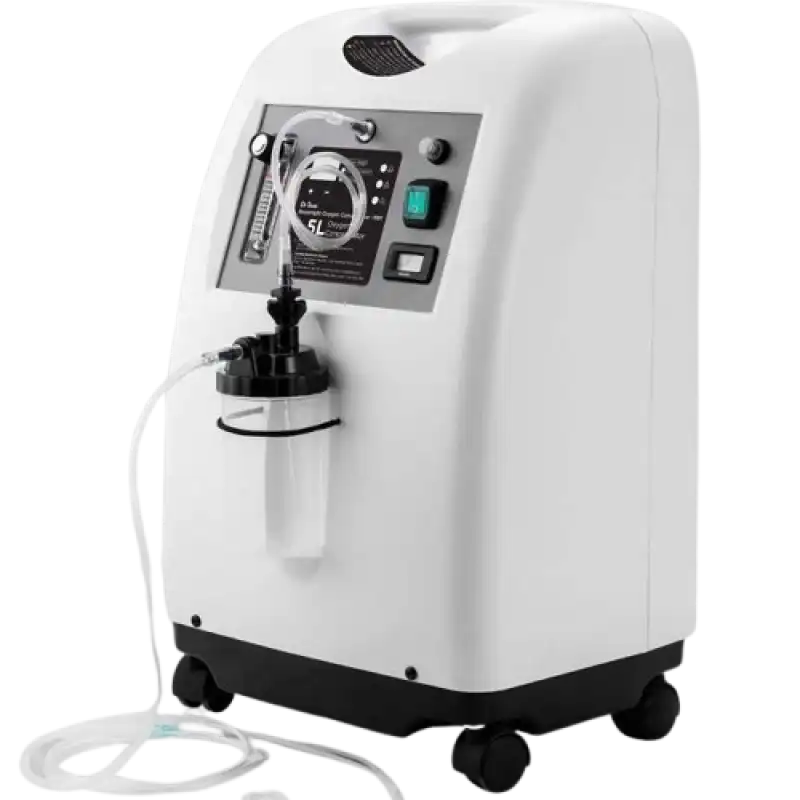
Oxygen Concentrators
- Extracts oxygen from ambient air and delivers concentrated oxygen to the user.
- Available in portable and stationary models.
- Requires a power source but offers long-term cost savings.
Oxygen Cylinders (Tanks)
- Pre-filled with medical-grade oxygen for immediate use.
- Comes in various sizes, from portable to large-capacity tanks.
- Ideal for emergency backup but requires regular refilling.
Liquid Oxygen Systems
- Stores oxygen in liquid form and converts it into gas for inhalation.
- Provides higher purity oxygen and is more compact than cylinders.
- Needs regular refills from an oxygen supplier.
Portable Oxygen Devices
- Designed for mobility and convenience.
- Battery-operated and lightweight, allowing users to travel freely.
- Some models integrate with concentrators for efficient oxygen delivery.
Key Factors for Ensuring a Reliable Oxygen Supply
Assessing Oxygen Needs
- Consult a healthcare provider to determine the required oxygen flow rate.
- Consider usage duration and frequency to select the right system.
Choosing the Right Equipment
- Evaluate between concentrators, cylinders, and liquid oxygen based on mobility and accessibility needs.
- Check power requirements and battery backup options.
Maintaining Oxygen Equipment
- Regularly clean filters and tubing to prevent blockages.
- Ensure timely servicing of concentrators to maintain efficiency.
- Store oxygen cylinders in a cool, dry place away from heat sources.
Emergency Preparedness
- Keep backup oxygen supplies in case of power failures.
- Familiarize caregivers with operating the equipment correctly.
- Have a contact number for emergency oxygen refills or maintenance support.
Safety Tips for Oxygen Usage
- Avoid smoking or open flames near oxygen equipment.
- Store cylinders upright and secured to prevent tipping.
- Do not use petroleum-based lotions or sprays while using oxygen.
- Ensure proper ventilation to prevent oxygen buildup in closed spaces.
Conclusion
Ensuring a reliable oxygen supply is vital for individuals who depend on oxygen therapy. By selecting the right equipment, maintaining proper safety measures, and being prepared for emergencies, users can experience improved health and peace of mind.
Explore top-quality oxygen supply solutions at AarogyaaBharat.com and secure the best options for your respiratory needs.