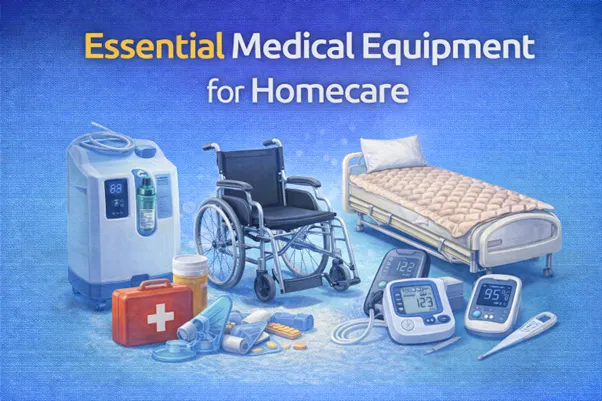
Homecare is no longer limited to basic first aid. Today,
with the right medical equipment at home, patients can recover faster,
caregivers can provide better support, and families can reduce unnecessary
hospital visits. This article explores essential medical equipment for
homecare, helping you make informed decisions for your loved ones.
Why Homecare Medical Equipment Is Important
Healthcare is shifting from hospitals to homes for several
reasons:
- Rising
hospital costs
- Increased
elderly population
- Chronic
illnesses requiring long-term care
- Post-surgical
recovery at home
- Comfort
and emotional well-being of patients
With proper medical equipment at home, patients receive
continuous monitoring, comfort, and safety, while caregivers gain confidence
and peace of mind.
1. Hospital Beds for Homecare
A regular bed may not provide the support needed for
patients who are bedridden, recovering from surgery, or living with mobility
challenges.
Why a Hospital Bed Matters:
- Adjustable
head and leg positions
- Better
circulation and breathing support
- Reduced
risk of bedsores
- Easier
caregiving and patient transfer
Modern hospital beds for home use are compact, easy to
install, and available in manual, semi-electric, and fully electric options.
2. Oxygen Concentrators and Oxygen Therapy Equipment
Respiratory conditions such as COPD, asthma, post-COVID
complications, and pneumonia often require oxygen support at home.
Essential Oxygen Equipment Includes:
- Oxygen
concentrators (5L / 10L)
- Oxygen
masks and nasal cannulas
- Oxygen
flow meters and humidifiers
Oxygen concentrators are safer and more cost-effective than
oxygen cylinders, making them ideal for long-term home use.
3. Blood Pressure Monitors
Blood pressure monitoring is essential for patients with
hypertension, heart disease, diabetes, or kidney conditions.
Types Available:
- Digital
BP monitors
- Manual
sphygmomanometers (for trained users)
Regular BP monitoring helps detect early warning signs and
prevents medical emergencies.
4. Blood Glucose Monitoring Devices
For individuals with diabetes, blood sugar monitoring is
non-negotiable.
Must-Have Devices:
- Glucometers
- Test
strips
- Lancets
Daily monitoring enables better control, medication
adjustment, and prevention of complications like nerve damage or kidney
disease.
5. Wheelchairs and Mobility Aids
Mobility challenges should never limit independence or
dignity.
Common Homecare Mobility Equipment:
- Manual
and foldable wheelchairs
- Walkers
and rollators
- Walking
sticks and crutches
These devices help patients move safely within the home and
reduce the risk of falls.
6. Air Mattresses and Pressure Relief Beds
Patients who remain in bed for long durations are at risk of
pressure ulcers (bedsores).
Benefits of Air Mattresses:
- Prevent
pressure sores
- Improve
blood circulation
- Enhance
sleeping comfort
Alternating pressure air mattresses are especially useful
for elderly and paralysed patients.
7. Nebulizers
Nebulizers are essential for individuals with asthma,
bronchitis, and other respiratory conditions.
They convert liquid medicine into a fine mist that is easy
to inhale, providing faster relief and better lung penetration.
8. Thermometers and Basic Diagnostic Tools
Basic monitoring devices help detect illness early and
reduce unnecessary hospital visits.
Essential Tools Include:
- Digital
thermometers
- Pulse
oximeters
- Weighing
scales
Pulse oximeters became especially important during and after
the COVID-19 pandemic to monitor oxygen saturation levels.
9. Patient Hygiene and Daily Care Equipment
Maintaining hygiene is critical for recovery and infection
prevention.
Useful Homecare Items:
- Bedside
commodes
- Urine
pots and bedpans
- Adult
diapers
- Patient
bathing aids
These products ensure comfort, dignity, and cleanliness for
patients and caregivers alike.
10. First Aid and Emergency Supplies
Every home should have a well-stocked first aid kit.
Include Items Like:
- Sterile
gauze and bandages
- Antiseptics
- Surgical
gloves
- Pain
relief sprays
Preparedness can make a life-saving difference during
emergencies.
How to Choose the Right Homecare Medical Equipment
Before purchasing, consider:
- Patient’s
medical condition
- Duration
of use (short-term vs long-term)
- Space
availability at home
- Ease
of use for caregivers
- After-sales
support and service
Consulting a healthcare professional before making major
equipment decisions is always recommended.
Why Choose Aarogyaa Bharat for Homecare Needs
At Aarogyaa Bharat, we understand that healthcare decisions
are deeply personal. Our goal is to make homecare accessible, reliable, and
affordable.
We offer:
- Certified
medical equipment
- Home-use
friendly designs
- Transparent
pricing
- Nationwide
delivery
- Expert
guidance and support
From hospital beds to oxygen concentrators, we bring
hospital-grade care to your home.
Frequently Asked Questions (FAQs)
Q1. Can medical equipment really replace hospital care at
home?
Homecare equipment complements medical treatment and is
ideal for monitoring, recovery, and long-term care. Severe cases still require
hospital supervision.
Q2. Is renting medical equipment a good option?
Yes, renting is ideal for short-term needs such as post-surgery recovery or temporary mobility issues.
Final Thoughts
Healthcare doesn’t always belong in hospitals. With the
right essential medical equipment for homecare, healing becomes more
comfortable, dignified, and effective. Whether it’s caring for an elderly
parent, supporting post-surgical recovery, or managing a chronic condition, a
well-equipped home can make all the difference.