Why Consider a Mini Hospital at Home?
Cost-effective: Long hospital stays are expensive. Home setups reduce overall healthcare costs.
Comfort: Patients recover faster in familiar surroundings.
Reduced risk of infections: Hospitals expose patients to hospital-acquired infections; home care reduces this risk.
Family involvement: Loved ones stay close, boosting emotional well-being.
Step-by-Step Guide to Setting Up a Mini Hospital at Home
1. Choose the Right Room
Select a spacious, well-ventilated room with good lighting and easy access to washrooms. If the patient requires frequent monitoring, the room should be easily accessible to caregivers.
2. Arrange the Essential Medical Equipment
Depending on the patient’s condition, the following equipment may be needed:
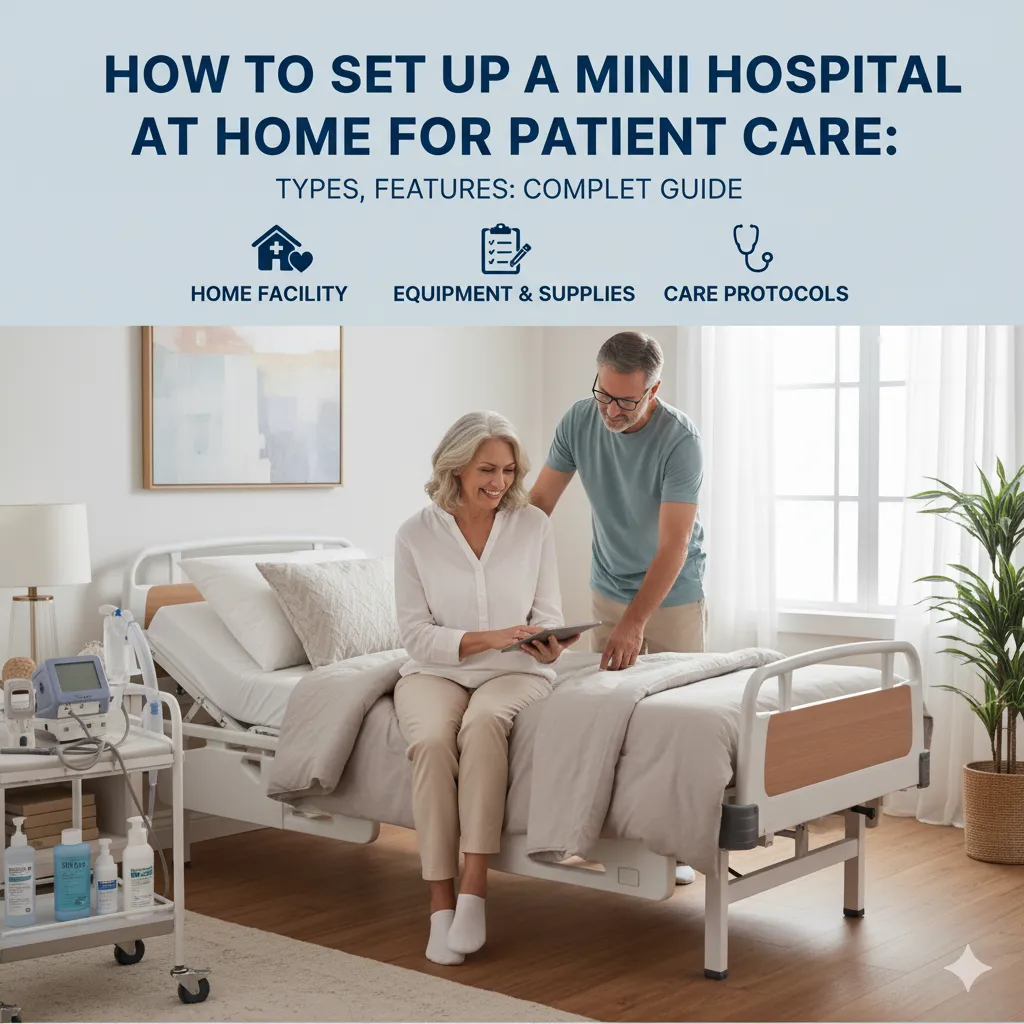
Hospital Bed: Adjustable for comfort and ease of care.
Oxygen Support: Oxygen concentrator or cylinder for patients with respiratory issues.
Monitoring Devices: Digital BP monitor, glucometer, thermometer, and pulse oximeter.
Mobility Aids: Wheelchair, walker, or walking stick for safe movement.
Nebulizer & Suction Machine: For respiratory patients needing airway clearance.
Infusion Pump or IV Stand: For patients requiring regular IV medications.
3. Ensure Hygiene & Safety
Use anti-slip mats and grab bars in bathrooms.
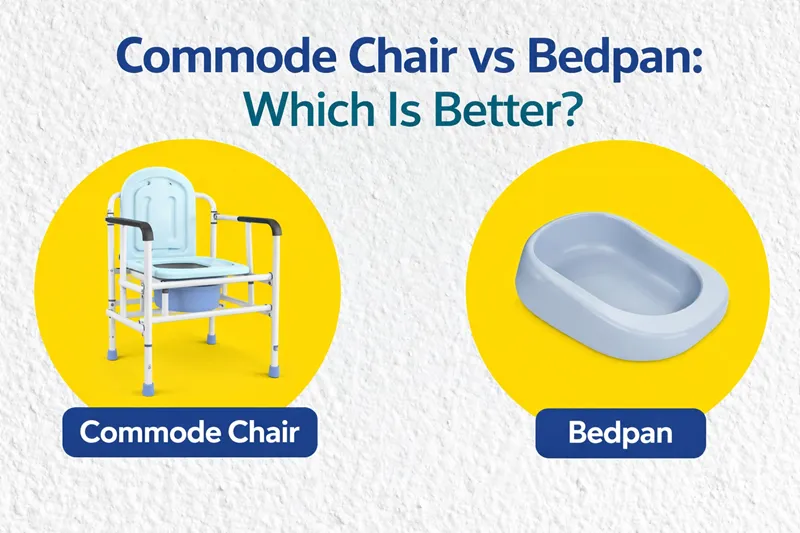
Keep a commode chair if the patient has limited mobility.
Regularly sanitize medical devices.
Maintain a first aid kit and emergency contact numbers.
4. Organize Medicines & Supplies
Keep medications properly labeled and stored in a clean, dry area. Use a pill organizer for daily dosage management. Maintain a logbook for recording vitals like BP, sugar, oxygen levels, and medication timings.
5. Emergency Preparedness
Keep an emergency oxygen cylinder as backup.
Store essential numbers: ambulance services, doctor, nearest hospital.
Consider an Automated External Defibrillator (AED) for high-risk cardiac patients.
6. Professional Support & Caregivers
Even with the best equipment, trained caregivers or visiting nurses can make a big difference. Services include:
Regular nursing care
Physiotherapy sessions
Doctor consultations at home
Telemedicine support
7. Technology for Remote Monitoring
Use health apps, smart devices, and teleconsultations for real-time updates. Families can track vitals remotely, and doctors can adjust treatment plans without physical hospital visits.
Approximate Cost of Setting Up a Mini Hospital at Home
Basic Setup (Hospital bed, wheelchair, monitoring devices): ₹25,000 – ₹40,000
Intermediate Setup (with oxygen support, nebulizer, commode chair): ₹40,000 – ₹80,000
Advanced Setup (with infusion pumps, suction machine, professional support): ₹80,000+
💡 Tip: Renting equipment from Aarogyaa Bharat can reduce costs significantly, especially for short-term care.
How Aarogyaa Bharat Can Help
At Aarogyaa Bharat, we specialize in affordable medical equipment rentals, purchases, and home healthcare services. Our offerings include:
Sanitized hospital beds, wheelchairs, and oxygen concentrators delivered to your home
Trained nursing staff and caregivers
Telemedicine support and regular health check-ups
Affordable rental plans for short-term recovery
We make sure your home is not just comfortable, but also safe and medically equipped for your loved one’s recovery.
Conclusion
Creating a mini hospital at home is about combining medical equipment, safety measures, and professional support to ensure quality patient care. With the right setup, families can provide comfort and dignity to their loved ones while avoiding unnecessary hospital stays.
👉 With Aarogyaa Bharat, setting up a mini hospital at home is easier, affordable, and stress-free.
FAQs
1. What equipment is essential for setting up a mini hospital at home?
A hospital bed, oxygen support, monitoring devices (BP machine, glucometer, oximeter), mobility aids, and a first aid kit are the basics.
2. Is it better to rent or buy home healthcare equipment?
For short-term recovery, renting is more economical. For long-term patients, buying may be more practical.
3. Can oxygen equipment be safely used at home?
Yes, oxygen concentrators and cylinders are safe if used correctly and serviced regularly.
4. Do I need trained caregivers for home care?
Yes, professional caregivers or nurses help in administering medication, monitoring vitals, and handling emergencies.
5. Does Aarogyaa Bharat provide doorstep delivery of equipment?
Yes, Aarogyaa Bharat offers doorstep delivery, installation, and demo for all major medical equipment.