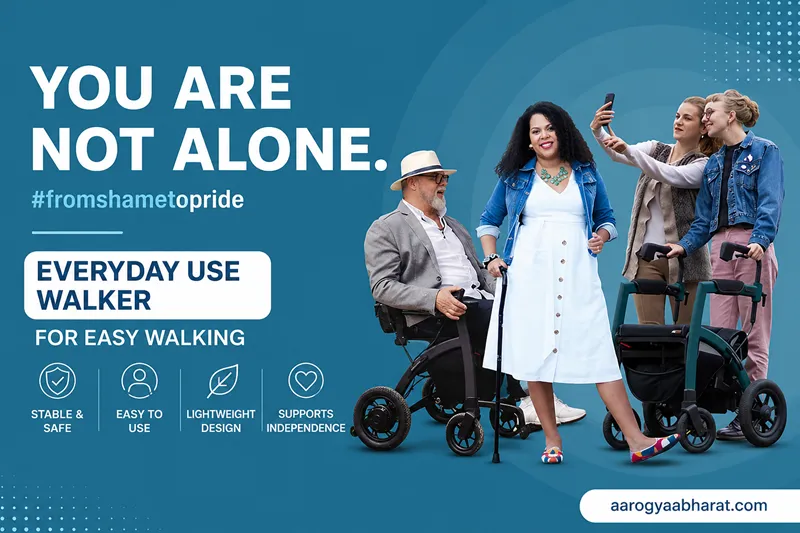
What is a Walking Walker and Why is it Essential for
Daily Mobility?
A walking walker is a fundamental mobility support device
created to assist individuals, especially elderly users, in maintaining
stability and confidence during everyday movement. Unlike advanced mobility
equipment, this walker is simple, lightweight, and highly effective for daily
use within home environments. It plays a critical role in supporting seniors
who may experience balance issues, muscle weakness, or post-surgical recovery
challenges. In modern home healthcare setups, walking walkers are widely used
to ensure safety and reduce dependence on caregivers. They allow users to move
comfortably between rooms, perform daily tasks, and maintain an active
lifestyle without fear of falling. With the increasing awareness of
rehabilitation products and elderly care solutions, walking walkers have become
a core category in mobility aids. Their practical design makes them suitable
for indoor use, especially in compact living spaces. As part of a broader
healthcare ecosystem that includes hospital equipment, physiotherapy tools, and
healthcare calculators, walking walkers contribute significantly to improving
patient independence and quality of life.
Important Features of Walking Walkers for Everyday Use
Walking walkers are designed with essential features that
cater to the daily mobility needs of elderly users. One of the most important
features is the sturdy frame, usually made from lightweight aluminium, which
provides strong support without making the device difficult to handle. Many
walking walkers come with adjustable height settings, allowing users to
maintain proper posture and reduce strain on the back and shoulders. Some
models include front wheels or gliders, which make movement smoother without requiring
the walker to be lifted completely. Comfortable hand grips ensure better
control and reduce pressure on the palms during prolonged use. Foldable designs
are another key feature, making storage and transportation convenient,
especially in homes with limited space. Additionally, these walkers are easy to
assemble and require minimal maintenance, making them a practical choice for
long-term use. With the growing availability of healthcare equipment across
various categories such as orthopaedic aids, rehabilitation devices, and
elderly support products, users can easily find a walking walker that suits
their specific requirements.
Benefits of Using a Walking Walker for Daily Movement
Using a walking walker offers numerous benefits that
directly improve the daily life of elderly individuals. One of the primary
advantages is enhanced stability, which significantly reduces the risk of falls
and injuries. This is especially important for seniors who may have weak
muscles or balance-related conditions. Walking walkers also promote
independence, allowing users to perform daily activities such as moving around
the house, going to the kitchen, or accessing the bathroom without constant
assistance. Another key benefit is reduced physical strain, as the walker
supports body weight and minimizes pressure on joints and muscles. This makes
it an ideal solution for individuals recovering from surgery or dealing with
chronic conditions like arthritis. Regular use of a walking walker also
encourages physical activity, which is essential for maintaining overall health
and preventing further mobility decline. In combination with other home
healthcare products like hospital beds, patient monitoring systems, and
healthcare calculators, walking walkers play a crucial role in creating a safe
and supportive home care environment.
How to Select the Right Walking Walker for Daily Needs
Choosing the right walking walker involves evaluating
several important factors to ensure safety and comfort. The first consideration
should be the user’s weight and height, as the walker must provide proper
support without compromising stability. Adjustable height features are
essential to maintain correct posture and avoid unnecessary strain. The type of
walker is also important, as some models come with wheels while others require
lifting. For daily indoor use, walkers with front wheels or gliders are often
more convenient. The grip design should be comfortable and non-slip to ensure
better control during movement. Foldability is another key factor, especially
for users who need to store the walker in small spaces or transport it
frequently. Durability and material quality should also be considered to ensure
long-term reliability. With a wide range of options available under categories
like mobility aids, physiotherapy equipment, and elderly care products, users
can compare different models and choose the one that best fits their lifestyle
and healthcare needs.
Comparison Table: Walking Walker vs Rollator Walker
|
Feature |
Walking
Walker |
Rollator
Walker |
|
Wheels |
None or 2
front wheels |
3 or 4 wheels |
|
Stability |
High |
Moderate |
|
Brakes |
No |
Yes |
|
Seat |
Not available |
Available |
|
Movement
Style |
Lift or slide |
Continuous
rolling |
|
Best Use |
Basic daily
mobility |
Advanced
mobility support |
Role of Walking Walkers in Home Healthcare and
Rehabilitation
Walking walkers play a significant role in both home
healthcare and rehabilitation processes. They are commonly used by patients
recovering from surgeries, injuries, or medical conditions that affect
mobility. In physiotherapy sessions, walking walkers are often introduced as
the first step toward regaining independence and strength. They help users
practice controlled movement and improve balance gradually. In home care
settings, these walkers provide a safe way for elderly individuals to stay
active and avoid prolonged bed rest, which can lead to further health
complications. With the integration of healthcare services across city-based
platforms and hospital support systems, walking walkers have become easily
accessible to users in different locations. They are often recommended
alongside other healthcare equipment such as orthopaedic supports, exercise
therapy tools, and monitoring devices. This combination ensures a comprehensive
approach to patient care, focusing on both safety and recovery.
Bullet Points: Key Advantages of Walking Walkers
- Provides
strong support and stability
- Reduces
the risk of falls and injuries
- Lightweight
and easy to use
- Ideal
for indoor daily movement
- Helps
in post-surgery recovery
- Encourages
active lifestyle
- Easy
to store with foldable design
- Suitable
for long-term use
Conclusion
A walking walker is an essential mobility aid that offers reliable support for daily movement, especially for elderly individuals. It’s simple yet effective design makes it a practical solution for improving balance, reducing fall risks, and promoting independence. Whether used for routine activities or rehabilitation purposes, a walking walker plays a crucial role in enhancing quality of life. With the growing availability of healthcare products and services, choosing the right walker has become easier than ever. By understanding the features, benefits, and usage requirements, users can make an informed decision and ensure a safer and more comfortable lifestyle.