



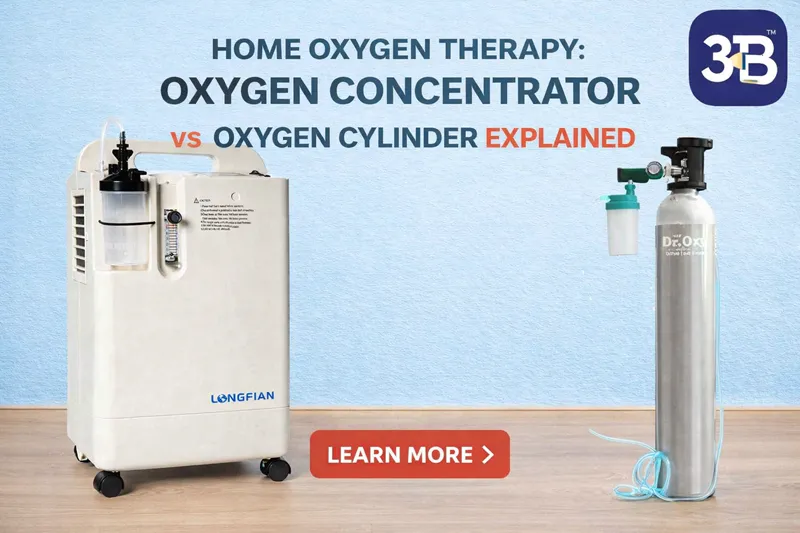
Both oxygen concentrators and oxygen cylinders are commonly used in home settings across India. Yet, they differ significantly in how they function, how safe they are, how long they last, and how suitable they are for different medical conditions. Choosing the wrong option can lead to inconvenience, increased costs, safety risks, or even medical complications.
At Aarogyaa Bharat, we believe oxygen therapy should never be based on guesswork or panic. This in-depth guide explains home oxygen therapy in detail, breaks down the differences between oxygen concentrators and oxygen cylinders, and helps you understand which option is better, safer, and more practical for your home.
Understanding Home Oxygen Therapy in Detail
Home oxygen therapy is prescribed when a patient’s blood oxygen level (SpO₂) falls below normal and the body is unable to compensate on its own. Low oxygen levels place continuous stress on vital organs such as the heart, brain, and kidneys, which can lead to fatigue, confusion, breathlessness, and long-term damage if left untreated.
Oxygen therapy at home helps:
- Maintain adequate oxygen saturation
- Reduce breathlessness and anxiety
- Improve sleep quality
- Increase physical stamina
- Prevent emergency hospitalizations
- Support recovery and long-term disease management
Doctors commonly recommend home oxygen therapy for:
- Chronic Obstructive Pulmonary Disease (COPD)
- Post-COVID lung damage and fibrosis
- Severe asthma with hypoxemia
- Interstitial lung disease (ILD)
- Heart failure with low oxygen levels
- Elderly patients with age-related respiratory decline
- Palliative and long-term home care patients
Once oxygen therapy is prescribed, selecting the right oxygen delivery system becomes the next critical step.
What Is an Oxygen Concentrator? (Detailed Explanation)
An oxygen concentrator is a medical device that produces oxygen continuously by filtering nitrogen out of room air. Normal air contains around 21% oxygen. Using advanced filtration technology known as molecular sieve beds, the concentrator removes nitrogen and delivers oxygen with a purity of 90–95%.
Unlike cylinders, oxygen concentrators do not store oxygen. As long as electricity is available, the device keeps generating oxygen without interruption.
Types of Oxygen Concentrators for Home Use
- 5 LPM Oxygen Concentrators – Most common for home care
- 10 LPM Oxygen Concentrators – For higher oxygen requirements
- Stationary (Home) Concentrators – Designed for continuous use
- Portable Concentrators – For limited mobility (select patients only)
Why Oxygen Concentrators Are Preferred for Home Therapy
Oxygen concentrators are specifically designed for long-term and daily use, including overnight oxygen therapy. They reduce dependency on external suppliers and provide peace of mind to families managing chronic illnesses.
What Is an Oxygen Cylinder? (Detailed Explanation)
An oxygen cylinder is a metal container that stores oxygen in compressed form under high pressure. Oxygen is released through a regulator and delivered to the patient via tubing connected to a nasal cannula or mask.
Oxygen cylinders have been used for decades in hospitals, ambulances, and emergency settings. However, their role in home care is very different from that of oxygen concentrators.
Types of Oxygen Cylinders Used at Home
-
Small portable cylinders (short-duration use)
-
Medium cylinders for limited home support
-
Large cylinders for temporary setups
Each cylinder contains a fixed quantity of oxygen, which gets exhausted over time depending on the flow rate used.
Oxygen Concentrator vs Oxygen Cylinder: In-Depth Comparison
1. Oxygen Availability and Reliability
An oxygen concentrator provides uninterrupted oxygen supply. As long as power is available, oxygen delivery continues without concern for depletion. This is especially important for patients who require oxygen for many hours a day or during sleep.
An oxygen cylinder, however, contains limited oxygen. Once empty, oxygen delivery stops abruptly unless a replacement cylinder is immediately available. This unpredictability can cause panic and medical risk, particularly during night-time or emergencies.
For consistent and long-term home oxygen therapy, reliability strongly favors concentrators.
2. Safety Considerations Inside the Home
Oxygen concentrators are generally safer for residential use because they do not involve high-pressure oxygen storage. When used correctly, the risk of fire, leakage, or explosion is minimal.
Oxygen cylinders store oxygen at very high pressure. Improper handling, regulator damage, exposure to heat, or accidental falls can pose serious safety risks. In small Indian homes with limited space, these risks become more significant.
For households with elderly patients, children, or caregivers without medical training, concentrators are usually the safer option.
3. Ease of Use for Patients and Caregivers
Oxygen concentrators are simple to operate. Once installed, they require:
- Plugging into a power source
- Setting the prescribed flow rate
- Basic filter cleaning at intervals
Oxygen cylinders require more effort, including:
- Monitoring remaining oxygen levels
- Scheduling timely refills
- Physically replacing heavy cylinders
- Ensuring regulator compatibility and safety
Over weeks or months, this added workload can become exhausting for caregivers.
4. Cost Analysis: Short-Term vs Long-Term
Oxygen concentrators involve a higher initial purchase cost, but their operating expenses are limited to electricity and routine maintenance. Over time, they become far more economical for patients requiring long-term oxygen therapy.
Oxygen cylinders may appear affordable initially, but frequent refilling costs accumulate rapidly. For patients using oxygen daily, cylinders often become more expensive in the long run.
From a cost-effectiveness perspective, concentrators are usually the better investment for home care.
5. Suitability for Long-Term and Overnight Oxygen Therapy
Many patients experience oxygen desaturation during sleep, making overnight oxygen therapy essential. Oxygen concentrators are designed to operate continuously and are well-suited for night-time use.
Oxygen cylinders can run out unexpectedly during the night, posing serious risks if not monitored closely. This makes them less suitable as the primary oxygen source for overnight therapy.
Oxygen Therapy for Elderly, Bedridden, and Home-Care Patients
Elderly and bedridden patients often require stable, uninterrupted oxygen support. For such patients, convenience, safety, and continuity matter more than portability.
Oxygen concentrators allow caregivers to focus on patient comfort rather than logistical concerns. They integrate well with hospital beds, pulse oximeters, and long-term home-care setups.
Oxygen cylinders, while useful as backup, can be physically demanding and stressful to manage for elderly households.
When Is an Oxygen Cylinder Still Useful?
Despite their limitations, oxygen cylinders still play an important role in home oxygen therapy when used appropriately.
Oxygen cylinders are useful:
- As backup during power cuts
- For short-term oxygen support
- During patient transport
- In emergency situations
- When oxygen requirement is temporary
Many doctors recommend keeping a small oxygen cylinder as backup, even if a concentrator is the primary device.
Medical Guidance Is Non-Negotiable
Oxygen is a medication. Using too little oxygen can worsen symptoms, while using too much oxygen especially in COPD patients can be harmful.
A doctor’s prescription should determine:
- Oxygen flow rate (LPM)
- Duration of daily use
- Device type (concentrator vs cylinder)
- Need for backup oxygen
At Aarogyaa Bharat, we strongly emphasize medically guided oxygen therapy to ensure both safety and effectiveness.
Conclusion
Choosing between an oxygen concentrator and an oxygen cylinder is not just about equipment it directly impacts patient safety, comfort, and quality of life. For most long-term home oxygen therapy needs, oxygen concentrators are the preferred and medically recommended solution, while oxygen cylinders serve an important supporting role as backup.
At Aarogyaa Bharat – Live Healthy, Live Better, our mission is to help families navigate medical decisions with clarity, confidence, and compassion. We believe home healthcare should empower patients, not overwhelm them.
If you need expert guidance in choosing the right oxygen solution for your loved one, our team is always here to help.





