Why Respiratory Patients Need Specialized Beds
Respiratory patients often experience:
- Shortness of breath when lying flat
- Chest tightness
- Night time coughing
- Oxygen desaturation during sleep
- Fatigue from laboured breathing
A normal bed forces patients to remain in flat or
uncomfortable positions, worsening these symptoms.
Hospital beds for home use are designed to support proper
lung expansion, airway clearance, and circulation directly improving breathing
comfort.
How Hospital Beds Improve Breathing
1. Head and Back Elevation for Easier Breathing
One of the most important features for respiratory patients
is adjustable head elevation.
By raising the upper body:
- Lung capacity improves
- Airway obstruction reduces
- Chest pressure decreases
- Breathing becomes more natural
This position is essential for patients with:
2. Reduced Night time Breathlessness
Many respiratory patients struggle most at night. Lying flat
can lead to:
- Breathlessness
- Coughing
- Anxiety
- Oxygen
level drops
Hospital beds allow patients to sleep in a semi-upright or
Fowler position, which:
- Keeps airways open
- Improves oxygen flow
- Reduces night time discomfort
- Promotes deeper, uninterrupted sleep
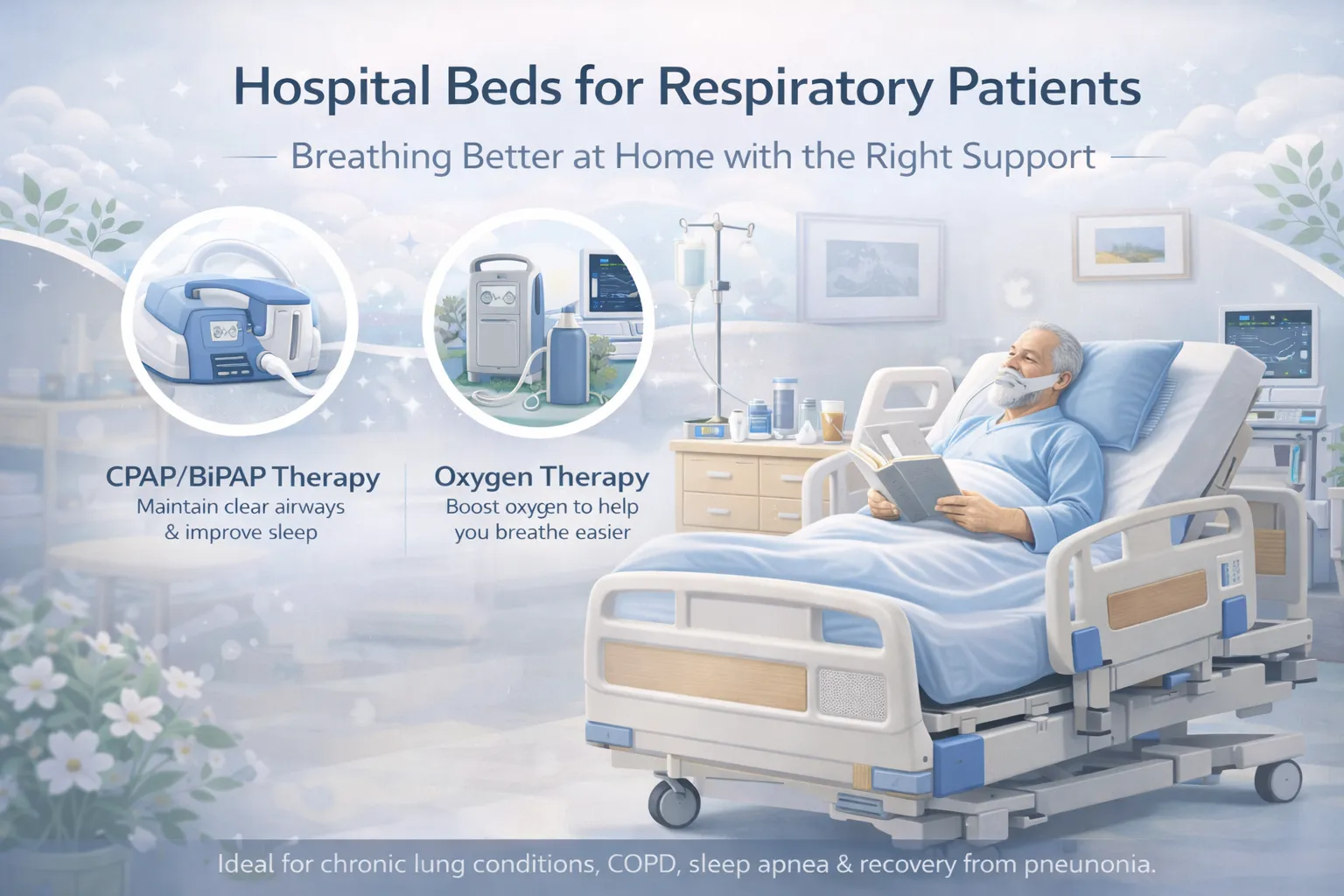
3. Support for Oxygen Therapy & Medical Devices
Respiratory care often includes:
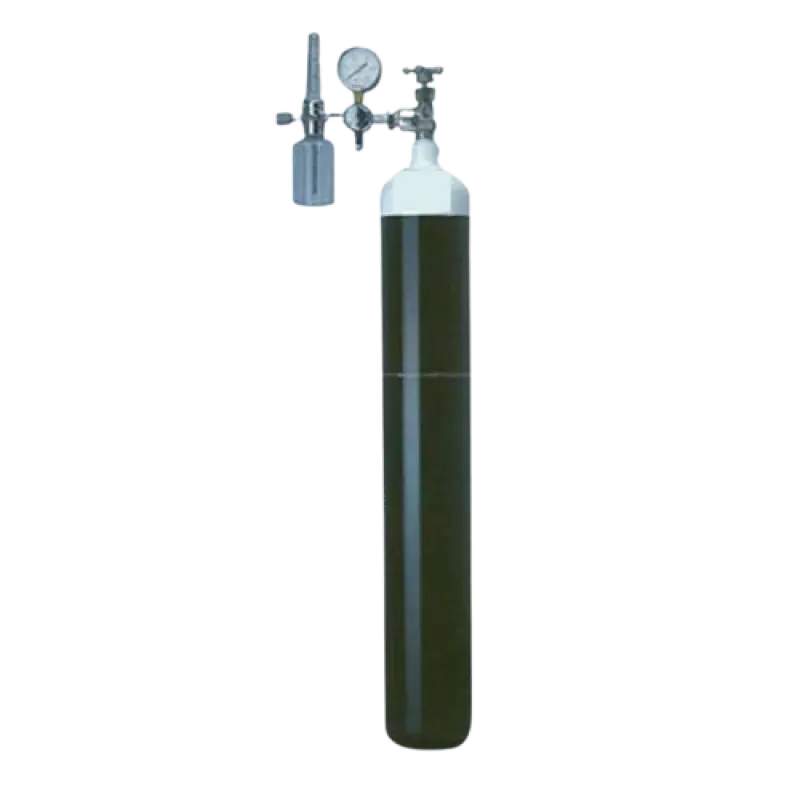
- Oxygen
concentrators
- Nebulizers
- CPAP
or BiPAP machines
- Suction
units
Hospital beds provide:
- Proper positioning for mask fit
- Stable bed height for equipment access
- Space for tubing without tangling
This ensures safer and more effective respiratory therapy at
home.
4. Improved Circulation and Lung Expansion
When patients lie flat for long periods:
- Blood circulation slows
- Lung expansion becomes limited
- Mucus build up increases
Hospital beds help by:
- Allowing regular position changes
- Improving chest expansion
- Reducing fluid build up in lungs
This is especially important for:
- Elderly
patients
- Bedridden
individuals
- Patients
with pneumonia or pulmonary fibrosis
Emotional Comfort for Respiratory Patients
Breathing difficulty often causes:
- Fear
- Panic
- Restlessness
- Sleep
anxiety
A hospital bed provides:
- A feeling of safety
- Control over body position
- Reduced dependency on caregivers
- Peace of mind during breathing episodes
When patients can adjust their own position, they regain
confidence and emotional stability crucial for long-term respiratory care.
Key Features to Look for in Hospital Beds for Respiratory
Care
1. Electric Backrest Adjustment
Allows precise positioning for optimal breathing without
physical strain.
Easy elevation for comfort
Independence for patients
Reduced caregiver effort
2. Fowler & Semi-Fowler Positioning
These positions are medically recommended for respiratory
patients as they:
- Reduce chest compression
- Improve airflow
- Minimize breathlessness
3. Height Adjustability
Helps caregivers:
- Provide oxygen therapy easily
- Assist in transfers safely
- Maintain proper posture during care
4. Side Rails for Safety During Breathless Episodes
During sudden breathlessness:
- Side rails prevent falls
- Offer support when changing posture
- Improve patient confidence
5. Compatibility with Specialized Mattresses
Anti-bed-sore and pressure-relief mattresses ensure:
- Better circulation
- Reduced discomfort
- Long-term respiratory comfort
Who Benefits Most from Respiratory Hospital Beds?
COPD & Chronic Lung Disease Patients
- Easier
breathing in elevated positions
- Better
oxygen efficiency
- Less
fatigue
Post-COVID Recovery Patients
- Support
for weak lungs
- Reduced
night time breathing distress
- Faster
recovery through proper rest
Cardiac Patients with Breathlessness
- Improved
circulation
- Reduced
lung fluid build up
- Safer
sleeping posture
Elderly with Respiratory Weakness
- Reduced
effort while breathing
- Easier
movement in bed
- Improved
sleep quality
Long-Term Bedridden Patients
- Better
lung expansion
- Reduced
risk of pneumonia
- Improved
quality of life
How the Right Bed Improves Respiratory Health Outcomes
A properly chosen hospital bed can:
- Reduce hospital readmissions
- Improve oxygen saturation levels
- Minimize night time respiratory distress
- Support faster recovery
- Reduce caregiver burnout
For respiratory patients, the bed becomes a medical support
system, not just a resting place.
Common Mistakes in Home Respiratory Care
- Using a flat bed for long-term breathing conditions
- Ignoring the importance of elevation
- Poor mattress selection
- No side rails for safety during breathless episodes
- Inadequate space for oxygen equipment
These mistakes often worsen symptoms and increase emergency
situations.
Practical Tips for Better Breathing at Home
- Keep the head of the bed elevated during rest
- Encourage regular position changes
- Use pressure-relief mattresses
- Maintain clean air and proper ventilation
- Keep oxygen equipment within easy reach
- Avoid overcrowding the patient’s sleeping area
Why Aarogyaa Bharat Is Trusted for Respiratory Home Care
At Aarogyaa Bharat, we understand that respiratory care
requires precision, compassion, and the right equipment.
What We Offer:
- Hospital beds are especially suited for breathing conditions
- Expert consultation based on patient diagnosis
- Home delivery and installation across India
- Beds compatible with oxygen and respiratory devices
- Patient-first approach to comfort and safety
We help families create a safer, more breathable environment
at home.
Conclusion: Breathing Easier Begins with the Right Bed
For respiratory patients, every breath matters. When the
body is positioned correctly, the lungs work more efficiently, sleep becomes
more restful, and daily life becomes more manageable.
A hospital bed is not just about comfort it is about:
- Safer breathing
- Better recovery
- Emotional reassurance
- Dignity in care
With Aarogyaa Bharat, you are not just choosing equipment you
are choosing a better, more breathable future for your loved ones.