Living with chronic nerve pain can make even the simplest
daily activities feel exhausting. Whether it's persistent back pain, sciatica,
diabetic neuropathy, arthritis-related discomfort, or muscle soreness after an
injury, continuous pain affects not only your physical health but also your
emotional well-being and quality of life.
Fortunately, advances in home healthcare technology have
made pain management easier than ever. One of the most effective non-invasive
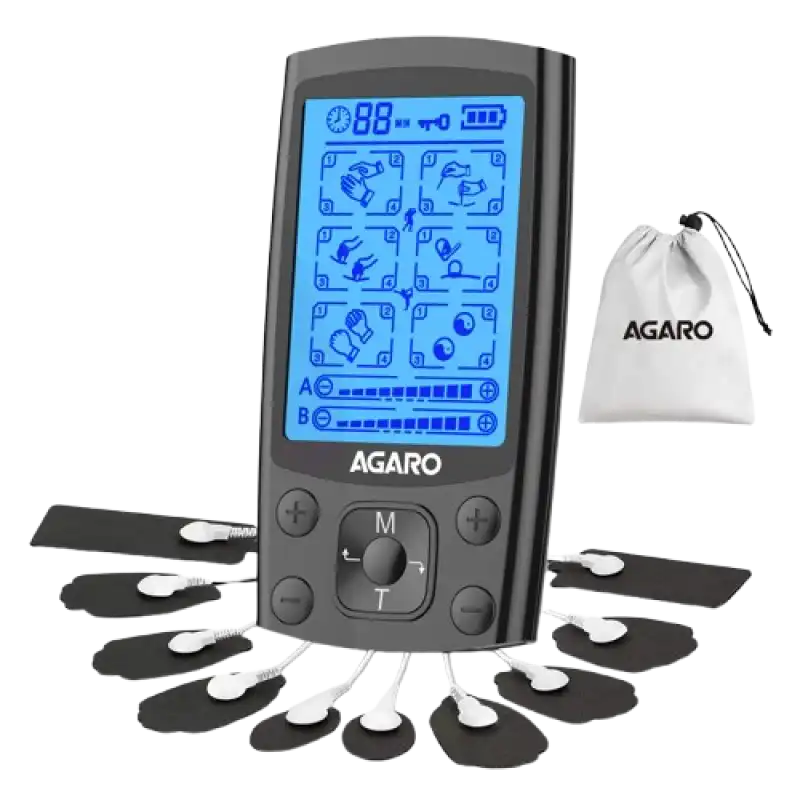
solutions available today is the nerve pain stimulator, commonly known
as a TENS machine (Transcutaneous Electrical Nerve Stimulation). These
compact devices use gentle electrical impulses to reduce pain, relax muscles,
and support recovery without medication or surgery.
As more people seek drug-free pain management solutions, nerve
pain stimulators have become a trusted choice among physiotherapists,
sports professionals, elderly individuals, and patients recovering at home.
This guide explains how nerve pain stimulators work, their
benefits, who can use them, and how they can become an important part of your
daily pain management routine.
Understanding Nerve Pain
Nerve pain occurs when nerves become damaged, compressed, or
irritated. Unlike muscle pain, nerve pain often feels sharp, burning, tingling,
stabbing, or like an electric shock. It may come and go or remain constant
throughout the day.
Common causes include:
- Sciatica
- Diabetic
neuropathy
- Herniated
disc
- Arthritis
- Neck
pain
- Lower
back pain
- Sports
injuries
- Post-surgical
recovery
- Frozen
shoulder
- Muscle
strain
When untreated, nerve pain can interfere with sleep,
mobility, work, and overall quality of life.
What Is a Nerve Pain Stimulator?
A nerve pain stimulator is a portable medical device that
sends low-voltage electrical pulses through adhesive electrode pads placed on
the skin.
These electrical signals help block pain messages before
they reach the brain while encouraging the body to release endorphins, its
natural pain-relieving chemicals.
The therapy is commonly known as TENS Therapy and has
been widely used in physiotherapy and rehabilitation for many years.
Unlike medications, TENS therapy does not involve chemicals
or invasive procedures.
How Does TENS Therapy Work?
Pain signals normally travel through nerves to the brain.
A TENS device delivers gentle electrical stimulation that
interrupts these pain signals.
At the same time, the stimulation encourages blood
circulation around the painful area and activates natural pain-relieving
hormones called endorphins.
This combination helps reduce pain while improving muscle
relaxation and mobility.
Many users notice relief within minutes of starting therapy.
Major Benefits of Nerve Pain Stimulators
One of the biggest advantages of nerve pain stimulators is
that they provide pain relief without relying on medications.
Regular use may help:
Reduce chronic pain
Improve muscle relaxation
Increase blood circulation
Support physiotherapy exercises
Enhance mobility
Reduce stiffness
Improve sleep quality
Promote faster recovery
Decrease dependence on painkillers
Support rehabilitation after injuries
For many individuals, these improvements lead to a
significantly better quality of life.
Conditions That May Benefit From TENS Therapy
Nerve pain stimulators are commonly used for:
Lower back pain
Sciatica
Neck pain
Shoulder pain
Knee pain
Arthritis
Muscle spasms
Sports injuries
Joint pain
Diabetic neuropathy
Fibromyalgia
Post-operative rehabilitation
Always consult a healthcare professional to determine
whether TENS therapy is suitable for your condition.
Who Can Use a Nerve Pain Stimulator?
TENS machines are commonly recommended for:
Adults with chronic pain
Senior citizens
Athletes
Office workers with posture-related pain
Patients recovering from surgery
Individuals undergoing physiotherapy
People managing arthritis
Patients with muscle stiffness
Home caregivers
Because the devices are portable and easy to operate, they
are ideal for home healthcare.
Using a Nerve Pain Stimulator Safely
Proper use is essential for achieving the best results.
Always place electrode pads according to the user manual or
your physiotherapist's instructions.
Begin with the lowest intensity and gradually increase it
until you feel a comfortable tingling sensation.
Avoid placing pads:
Over broken skin
Near the eyes
Across the chest
On the front of the neck
Directly over implanted medical devices
Sessions typically last between 15 and 30 minutes, depending
on medical advice.
Common Mistakes to Avoid
Many users fail to achieve maximum benefit because of
incorrect usage.
Avoid these common mistakes:
Using worn-out electrode pads
Setting intensity too high
Ignoring device instructions
Skipping regular therapy sessions
Using the device while driving
Applying pads incorrectly
Not cleaning the skin before use
Proper technique improves comfort and effectiveness.
Why Many People Prefer Drug-Free Pain Relief
Pain medications can provide temporary relief but may cause
side effects when used frequently.
Nerve pain stimulators offer an alternative that can be used
repeatedly under medical guidance.
Benefits include:
No injections
No surgery
Minimal side effects
Easy home use
Portable design
Cost-effective long-term therapy
Works alongside physiotherapy
Suitable for many chronic pain conditions
Supporting Physiotherapy at Home
Many physiotherapists recommend combining TENS therapy with:
Stretching
Strengthening exercises
Walking
Heat therapy
Cold therapy
Proper posture
Regular movement
Healthy nutrition
Together, these approaches provide better long-term results
than relying on a single treatment method.
Choosing the Right Nerve Pain Stimulator
Before purchasing a device, consider:
Number of therapy modes
Adjustable intensity levels
Battery life
Portable design
Easy controls
Quality electrode pads
Safety certification
Warranty
Trusted brand
Selecting a reliable device improves both comfort and
treatment effectiveness.
Home Healthcare Makes Recovery Easier
Modern home healthcare solutions allow patients to recover
comfortably without frequent hospital visits.
In addition to nerve pain stimulators, many
individuals benefit from:
Digital blood pressure monitors
Pulse oximeters
Nebulizers
Heating pads
Orthopedic supports
Walkers
Wheelchairs
Rehabilitation equipment
These products help improve independence while supporting
recovery at home.
Aarogyaa Bharat offers a wide selection of trusted home
healthcare and physiotherapy products designed to improve comfort, mobility,
and quality of life for patients and caregivers across India.
Lifestyle Tips That Improve Pain Management
Medical devices work best when combined with healthy habits.
Maintain a healthy weight.
Exercise regularly.
Sleep adequately.
Stay hydrated.
Eat anti-inflammatory foods.
Reduce stress through meditation or breathing exercises.
Avoid prolonged sitting.
Follow your physiotherapy plan consistently.
Small lifestyle improvements often produce significant
long-term benefits.
When Should You Consult a Doctor?
Seek medical advice if:
Pain becomes severe
Symptoms worsen
You experience numbness or weakness
Pain follows a serious injury
There is swelling or fever
Home therapy provides little improvement
Persistent nerve pain should always be evaluated by a
qualified healthcare professional.
Conclusion
Chronic nerve pain doesn't have to control your life. With
advances in home healthcare technology, nerve pain stimulators and TENS
therapy provide a safe, convenient, and drug-free way to manage discomfort,
improve mobility, and support rehabilitation. When combined with regular
exercise, healthy lifestyle habits, and professional medical guidance, these
devices can make everyday activities easier and more comfortable.
Whether you're recovering from an injury, managing arthritis, living with sciatica, or seeking long-term pain relief, choosing the right pain management solution can greatly improve your quality of life. Aarogyaa Bharat is committed to helping individuals and families access reliable home healthcare products that support healthier, more independent living.