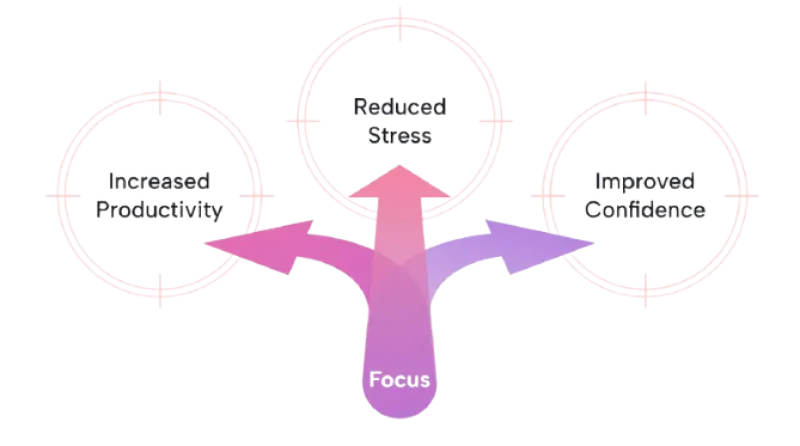
Introduction :
In a world full of constant notifications, distractions, and pressure to multitask, staying focused has become a modern-day superpower.Whether you're working on an important office project, studying for exams, or simply trying to complete a personal task, focus is the key that unlocks productivity. The good news? Focus isn’t a talent—it’s a skill—and like any skill, it can be trained.
Here’s how you can improve your focus—realistically and without burning out.
1. Understand What Kills Your Focus
Before building focus, learn what’s stealing it. Common culprits include:
Smartphone notifications
Social media scrolling
Lack of sleep or poor diet
Multitasking
Clutter (mental or physical)
Unclear goals or procrastination
First step? A little self-awareness. Once you identify your distractions, you can start managing them.
2. Set Clear, Micro Goals
Instead of saying, “I’ll finish the whole chapter,” say:
“I’ll study for 25 minutes and finish 3 subtopics.”
Or instead of “I’ll work all afternoon,” say:
“I’ll complete this presentation slide in the next 30 minutes.”
Micro goals reduce mental resistance and help your brain stay on task without feeling overwhelmed.
3. Use the Pomodoro Technique (It Works!)
This classic time-management hack can supercharge your focus:
25 minutes of deep work
5-minute break
After 4 rounds, take a 15–30-minute break
It’s called the Pomodoro Technique, and it works because it gives your brain structured focus-time followed by guilt-free rest.
Use a timer or apps like Forest, Focus Keeper, or Tide.
4. Create a Distraction-Free Environment
Phone away. Airplane mode helps.
Declutter your space. A clean desk is calming.
Noise matters. Try lo-fi music, white noise, or complete silence.
Tell others. Let people know you need uninterrupted time.
You don’t need a fancy setup—just fewer triggers.
5. Schedule “Self Time” Daily
Your brain can’t focus if it’s always tired, overstimulated, or emotionally drained.
Here’s where “me time” or self-time comes in.
Try:
10 minutes of silence or meditation
Evening walks without your phone
Journaling or gratitude writing
Reading something non-work related
Deep breathing or stretching
Give your brain space to breathe—it will repay you in focus and clarity.
6. Eat, Sleep & Move Better
Focus isn't just mental—it’s physical too.
Eat brain food – Nuts, seeds, berries, leafy greens, and dark chocolate
Hydrate. Dehydration = brain fog.
Move your body. Even 10 minutes of walking can reboot your concentration.
Sleep 7–8 hours. Sleep deprivation kills focus faster than any app.
A healthy body supports a sharp mind.
7. Reduce Digital Noise
Your phone is a focus killer.
Try these digital detox tricks:
Use focus apps like Freedom or StayFocusd
Turn off non-urgent notifications
Check social media at fixed times
Keep your phone out of sight during work/study blocks
Remember: You own your phone—it shouldn’t own your time.
8. Practice Single-Tasking, Not Multitasking
Multitasking is a myth. It just means you’re doing multiple things badly.
When you focus on one thing at a time, your brain:
Processes deeper
Learns faster
Makes fewer mistakes
Completes tasks quicker
Give each task your full attention. Then move to the next.
9. Take Breaks Guilt-Free
Breaks aren’t a waste—they’re a reset.
Use your break to:
Stretch or walk
Drink water
Listen to a calming tune
Close your eyes and breathe
When you return, your focus will be sharper and more sustainable.
10. Train Your Brain Like a Muscle
The more you practice focus, the better it gets.
Start with short blocks of deep work (10–15 minutes) and build up.
It’s like going to the gym—the more reps you do, the stronger you become.
Final Thoughts: Focus is a Lifestyle, Not Just a Hack
Improving focus isn’t about being perfect or robotic. It’s about creating the right environment, mindset, and habits to support your mental energy.
So next time you sit down to study, work, or plan something important, remember:
Eliminate the noise
Set small goals
Give yourself grace
And most importantly—build focus like a habit, not a punishment
Your time is precious. So is your attention. Use it wisely—and intentionally.