Introduction
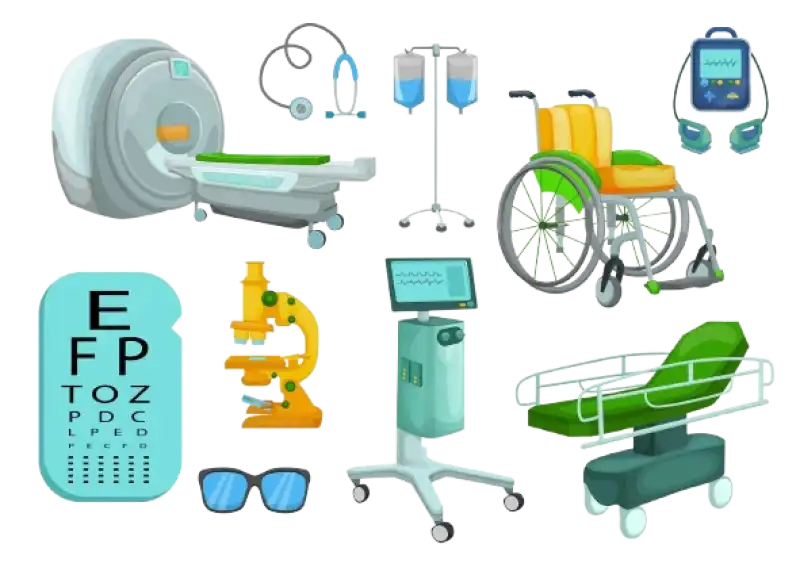
Proper maintenance and sanitization of medical equipment at home are essential for ensuring patient safety, device performance, and long-term usability. Equipment such as hospital beds, wheelchairs, oxygen concentrators, nebulizers, and diagnostic devices are used frequently and often by individuals with weakened immunity. Without regular cleaning and care, these devices can become sources of infection or may stop functioning effectively.
Creating a hygienic home healthcare environment is not complicated, but it does require consistency and awareness. This guide explains why maintenance matters, how to clean common medical equipment safely, and when professional servicing is required—helping families care with confidence at home.
Why Regular Maintenance and Sanitization Are Important
Routine cleaning and upkeep of medical equipment provide several critical benefits:
-
Prevention of infections: Medical devices come in direct contact with patients and caregivers. Germs can easily accumulate on high-touch surfaces, increasing the risk of infections.
-
Reliable performance: Regular maintenance ensures that equipment functions accurately and safely when needed.
-
Extended equipment lifespan: Proper care reduces wear and tear, avoiding unnecessary replacements or repairs.
-
Safety and hygiene compliance: Following correct sanitation practices aligns with healthcare safety standards and recommendations.
For home-care patients, especially elderly individuals or those recovering from illness or surgery, these benefits directly impact recovery and well-being.
General Guidelines for Cleaning Medical Equipment
Before cleaning any medical device, keep these universal guidelines in mind:
-
Always read the manufacturer’s instructions to understand approved cleaning methods and products.
-
Use appropriate cleaning agents such as mild soap, alcohol-based disinfectants, or medical-grade cleaners. Avoid harsh chemicals unless specified.
-
Wear disposable gloves when cleaning to protect against bacteria and cleaning solutions.
-
Dry equipment thoroughly after cleaning to prevent moisture-related bacterial or fungal growth.
-
Inspect equipment regularly for cracks, leaks, loose parts, or signs of malfunction.
Following these basic steps ensures effective sanitation without damaging the equipment.
Cleaning and Maintaining Common Medical Equipment at Home
Hospital Beds
Hospital beds are used continuously and require regular attention to maintain a clean and comfortable resting space.
Cleaning steps:
-
Remove bed linens and wash them separately using hot water and antibacterial detergent.
-
Wipe the bed frame, rails, mattress surface, and controls using disinfectant wipes or mild detergent.
-
Pay special attention to high-touch areas like bedrails, remote controls, and headboards.
-
Allow all surfaces to air dry completely before placing fresh linens.
Maintenance tips:
-
Check screws, bolts, and joints periodically and tighten if needed.
-
Lubricate mechanical or moving parts for smooth operation.
-
Inspect electrical components and controls for any faults.
Wheelchairs and Mobility Aids
Wheelchairs, walkers, and canes are exposed to dust, sweat, and outdoor contaminants.
Cleaning steps:
-
Wipe frames, armrests, and footrests using a damp cloth with mild soap.
-
Disinfect handles, push bars, and seat cushions with alcohol-based wipes.
-
Clean wheels thoroughly to remove dirt, hair, and debris.
Maintenance tips:
-
Check tire pressure and look for punctures or wear.
-
Inspect folding mechanisms and fasteners.
-
Lubricate moving joints to ensure smooth mobility.
Oxygen Concentrators and Cylinders
Oxygen therapy equipment must remain clean to ensure safe and uncontaminated oxygen delivery.
Cleaning steps:
-
Wipe the exterior of the concentrator with a damp cloth and mild soap.
-
Clean or replace air filters as per manufacturer guidelines.
-
Wash nasal cannulas and tubing with warm, soapy water and dry completely before reuse.
Maintenance tips:
-
Store oxygen cylinders in a dry, well-ventilated area.
-
Inspect tubing for cracks, blockages, or discoloration.
-
Ensure proper power supply and alarm functionality for concentrators.
Glucometers and Diagnostic Devices
Devices that monitor health parameters must remain accurate and contamination-free.
Cleaning steps:
-
Clean the outer surface using alcohol wipes.
-
Avoid immersing devices in water.
-
Clean lancing devices and replace lancets after use.
Maintenance tips:
-
Store devices in protective cases when not in use.
-
Calibrate glucometers as instructed by the manufacturer.
-
Keep test strips sealed in their original containers to prevent moisture damage.
Nebulizers and Respiratory Equipment
Nebulizers require frequent cleaning as moisture can promote bacterial growth.
Cleaning steps:
-
Disassemble the nebulizer after each use and rinse components with warm water.
-
Once daily, soak parts in a water and white vinegar solution for deeper cleaning.
-
Air dry parts on a clean towel before reassembly.
Maintenance tips:
-
Replace filters regularly.
-
Store equipment in a clean, dust-free area.
-
Never share respiratory equipment to avoid cross-contamination.
Safe Storage of Medical Equipment
Clean equipment must also be stored properly to remain hygienic:
-
Keep devices in clean, dry, and well-ventilated spaces.
-
Use protective covers when equipment is not in use.
-
Store accessories like tubes, sensors, and attachments in labeled containers.
-
Follow temperature and storage guidelines for devices and related medications.
Cleaning vs. Disinfecting: Knowing the Difference
Understanding this distinction is important for proper hygiene:
-
Cleaning removes visible dirt and debris using soap and water.
-
Disinfecting kills germs using chemical disinfectants such as alcohol solutions.
Medical equipment often requires both steps—clean first, then disinfect—to ensure complete sanitation.
When Professional Maintenance Is Needed
Some equipment requires expert servicing. Seek professional help if:
-
Devices show error codes or malfunction
-
There are visible cracks, leaks, or electrical issues
-
Motors or electronic components need servicing
-
Scheduled maintenance is due as per manufacturer guidelines
Professional inspection ensures safety and prevents sudden equipment failure.
Conclusion
Maintaining and sanitizing medical equipment at home is a vital part of safe and effective patient care. Regular cleaning, careful storage, and timely maintenance help prevent infections, extend equipment life, and ensure reliable performance.
For families managing home healthcare, having access to properly maintained medical equipment—and clear guidance on care—makes a meaningful difference. Platforms like Aarogyaa Bharat support home-care needs by offering quality medical equipment along with usage and maintenance assistance, helping families create safer healing environments at home.