Understanding Varicose Veins and Deep Vein Thrombosis:
Why Compression Therapy Matters
Varicose veins and deep vein thrombosis are two vascular
conditions that often originate from poor circulation and weakened venous
valves. Varicose veins occur when blood accumulates in superficial veins,
causing them to enlarge, twist, and become visible under the skin, while DVT
involves the formation of blood clots in deeper veins, potentially leading to
serious complications if untreated. Modern lifestyles characterized by long
hours of sitting, limited physical activity, and increased travel have contributed
to the rising prevalence of these conditions across all age groups. Compression
therapy works by applying controlled pressure that supports the natural pumping
action of the calf muscles, encouraging blood to flow upward toward the heart
rather than pooling in the lower limbs. Aarogyaa Bharat emphasizes that early
adoption of compression stockings can significantly reduce discomfort and
prevent progression of vascular problems, making them an essential component of
preventive healthcare rather than just a treatment tool.
The Science Behind Medi Compression Stockings and
Graduated Pressure
Medi Compression Stockings are engineered using precise
knitting technology that delivers graduated compression strongest at the ankle
and gradually decreasing toward the calf and thigh. These gradient mimics the
body’s natural circulatory system, helping veins function more efficiently even
when valve strength is compromised. By gently compressing superficial veins,
the stockings reduce vein diameter, which increases blood flow velocity and
minimizes the risk of clot formation. The compression also helps reduce
inflammation and fluid accumulation, providing relief from heaviness and
swelling associated with chronic venous insufficiency. Aarogyaa Bharat
highlights that medical-grade stockings differ significantly from regular tight
socks because they undergo clinical testing to ensure accurate pressure levels
and long-term therapeutic effectiveness.
How Medi Compression Stockings Help Manage Varicose Veins
Varicose veins often develop due to prolonged standing,
genetic predisposition, hormonal changes, or aging, and symptoms may include
aching, swelling, and visible vein enlargement. Wearing compression stockings
supports weakened veins by improving circulation and reducing pressure build up
in the lower limbs. Over time, consistent use can help minimize discomfort,
slow progression of vein enlargement, and improve overall leg appearance. For
individuals working in professions that require long hours of standing such as
healthcare workers, teachers, or retail staff compression therapy provides
daily relief and helps maintain vascular health. Aarogyaa Bharat encourages
users to view compression stockings as a long-term lifestyle solution rather
than a temporary fix, as consistent use plays a key role in managing chronic
venous conditions.
Role of Medi Compression Stockings in DVT Prevention and
Recovery
Deep vein thrombosis is a serious condition that requires
medical supervision, but compression stockings are often recommended as part of
preventive and post-treatment care. By improving blood circulation and reducing
stagnation in deep veins, compression therapy lowers the risk of clot formation
during periods of immobility, such as long flights, surgery recovery, or
extended bed rest. After DVT treatment, stockings help reduce swelling and
prevent post-thrombotic syndrome, a long-term complication characterized by
chronic pain and skin changes. Aarogyaa Bharat advises that individuals with a
history of DVT should consult healthcare professionals before choosing
compression levels, as proper fit and pressure are essential for safe usage.
Table 1: Benefits of Medi Compression Stockings for
Varicose Veins and DVT
|
Condition |
Key
Benefit |
How
Compression Helps |
Daily
Outcome |
|
Varicose
Veins |
Reduced
swelling |
Supports vein
function |
Less leg
fatigue |
|
DVT
Prevention |
Improved
circulation |
Prevents
blood pooling |
Safer travel
& recovery |
|
Chronic
Venous Insufficiency |
Pain relief |
Enhances
venous return |
Better
mobility |
|
Faster
healing |
Minimizes
edema |
Improved
comfort |
|
|
Occupational
Fatigue |
Energy
support |
Stabilizes
muscles |
Reduced
heaviness |
Choosing the Right Compression Level for Medical
Conditions
Selecting the correct compression level is one of the most
important steps when using Medi stockings for vascular conditions. Mild
compression is often used for preventive care and early symptoms, while
moderate or firm compression levels are typically recommended for varicose
veins or post-surgical recovery. Higher compression classes may be prescribed
for advanced venous disorders under medical supervision. Aarogyaa Bharat
recommends consulting a healthcare professional to determine the appropriate compression
level, as incorrect pressure can reduce effectiveness or cause discomfort.
Comfort, Material Technology and Breathability in Medi
Stockings
Modern Medi Compression Stockings are designed to combine
medical functionality with everyday comfort. Breathable fibres allow airflow,
preventing excessive sweating even in India’s humid climate. Seamless
construction reduces friction, making them suitable for prolonged wear without
irritation. Lightweight materials ensure that stockings remain discreet under
regular clothing, allowing users to maintain normal routines without feeling
restricted. Aarogyaa Bharat highlights that comfort plays a critical role in
adherence, as users are more likely to benefit from compression therapy when
stockings feel natural and supportive.
Table: Compression Levels and Recommended Usage
|
Compression
Class |
Pressure
Range |
Recommended
Use |
Ideal
Users |
|
Mild |
10-15 mmHg |
Daily fatigue
prevention |
Office
workers |
|
Moderate |
15-20 mmHg |
Early
varicose veins |
Travelers
& professionals |
|
Firm |
20-30 mmHg |
Medical
therapy |
Varicose vein
patients |
|
Strong |
30-40 mmHg |
Post-DVT care |
Doctor-prescribed
cases |
How to Wear Medi Compression Stockings Correctly for
Maximum Benefit
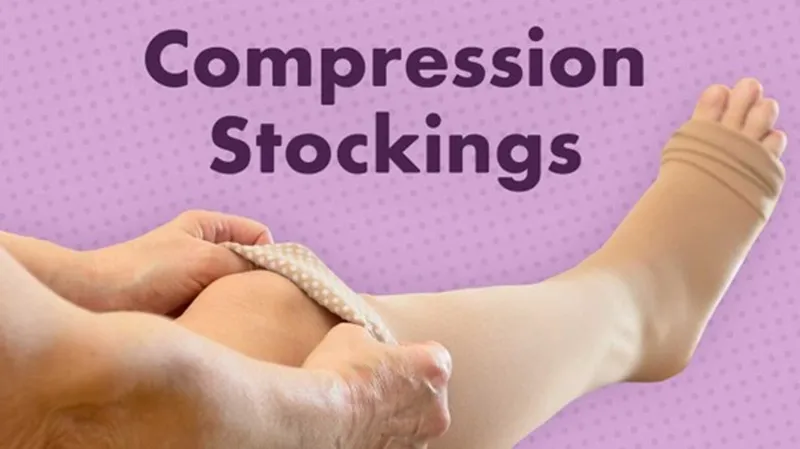
Proper usage begins with wearing the stockings in the
morning when swelling is minimal. Rolling the stocking gently over the foot and
adjusting it gradually up the leg ensures even pressure distribution. Avoid
twisting or folding the fabric, as uneven compression can reduce effectiveness.
Aarogyaa Bharat recommends using donning aids or gloves for elderly users who
may find it difficult to pull tight garments over the foot. Removing stockings
at night allows the skin to breathe and helps maintain elasticity over time.
Long-Term Health Benefits Beyond Varicose Veins and DVT
Beyond treating existing conditions, compression stockings
provide preventive benefits by improving circulation and reducing muscle
fatigue during daily activities. Regular use helps maintain leg health for
individuals with sedentary lifestyles or physically demanding jobs. Many users
report improved endurance and reduced discomfort during travel or long
workdays, highlighting the versatility of compression therapy in modern
healthcare. Aarogyaa Bharat encourages integrating compression stockings into broader
lifestyle practices such as walking exercises, hydration, and proper posture to
maximize long-term vascular health.
Emotional Confidence and Lifestyle Improvements
Living with varicose veins or DVT risk can affect emotional
well-being, as swelling and discomfort may limit mobility and social
participation. Compression stockings help restore confidence by reducing
visible swelling and improving comfort, enabling users to remain active and
engaged in daily life. Elderly individuals often experience renewed
independence when leg discomfort decreases, while working professionals benefit
from improved stamina during long hours of activity. Aarogyaa Bharat believes
that consistent compression therapy supports both physical and psychological
health, helping individuals maintain a positive outlook on daily mobility.
Maintenance and Care for Long-Term Compression
Performance
Maintaining Medi Compression Stockings properly ensures
consistent therapeutic benefits. Washing them gently with mild detergent and air-drying
helps preserve elasticity and compression strength. Avoiding excessive heat
prevents damage to fibres, while rotating between multiple pairs extends
lifespan. Aarogyaa Bharat advises replacing stockings every few months
depending on usage frequency, as worn-out compression garments may lose
effectiveness.
Conclusion
Medi Compression Stockings provide a powerful, non-invasive
solution for managing varicose veins and reducing the risk of deep vein
thrombosis. Through scientifically calibrated graduated compression, these
stockings enhance circulation, reduce swelling, and support long-term vascular
health. By choosing the right compression level, maintaining proper usage
habits, and integrating compression therapy into daily routines, users can
experience improved comfort and mobility. Aarogyaa Bharat recommends compression
stockings as an essential part of preventive healthcare for individuals seeking
safer and more effective leg health management.